Quick Answer
Monitoring health after lymphoma remission involves regular medical check-ups, adopting a healthy lifestyle, recognizing early warning signs of relapse, managing emotional health, and staying up to date with vaccinations and infection prevention.
- Regular check-ups every three to six months are crucial for monitoring health after lymphoma remission.
- A balanced diet rich in fruits, vegetables, and whole grains supports immune health during recovery.
- Physical activity like walking or yoga helps improve stamina and emotional well-being post-lymphoma.
- Recognizing symptoms such as persistent fatigue, unexplained weight loss, and unusual lumps can indicate lymphoma relapse.
- Managing emotional health through mindfulness, support groups, and professional help is important for overall recovery.
- Vaccinations like the flu shot and pneumococcal vaccine are recommended to prevent infections after treatment.
- Good hygiene practices and maintaining a strong healthcare team relationship aid in infection prevention and ongoing care.
How to monitor health after Lymphoma remission?
Monitoring health after lymphoma remission is crucial for long-term wellness. Survivors may experience various challenges as they transition into post-treatment life. Regular health assessments can help detect any potential issues early, ensuring prompt intervention. Keeping track of physical and emotional changes significantly contributes to overall recovery and quality of life.
After lymphoma treatment, adopting effective health monitoring strategies is essential. Engaging in lifestyle changes and following medical advice can greatly enhance post-lymphoma recovery. Survivors should focus on nutrition, exercise, and emotional well-being to support their health. Staying proactive in health management encourages a smoother journey through remission.
Awareness of long-term effects of lymphoma treatment can empower survivors. Recognizing symptoms that could signal a relapse is vital for timely action. Establishing a supportive healthcare team provides valuable resources for ongoing care. With these measures in place, survivors can confidently navigate life after lymphoma remission.
Get Support From a Lymphoma Specialist
Answer a few short questions and HealthNode will help you connect with the right haematology, lymphoma, or cancer specialist.
Share Test or Symptom Details
This helps us understand whether you may need diagnosis, treatment planning, or follow-up care.
Final Details
Share anything important so the specialist can better understand the case.
Contact information
Your information is only used to contact you and is never shared with third parties.
Your request has been received!
Thank you. If you have blood test results, ultrasound, CT, PET-CT, biopsy, pathology, immunohistochemistry, flow cytometry, or previous treatment records, please keep them ready. A HealthNode consultant will guide you through the next step.
5 Vital Steps to Monitor Health After Lymphoma Remission
Monitoring health after lymphoma remission is essential for long-term wellness. Survivors should adopt specific strategies to maintain their health and catch potential issues early. Regular follow-up after lymphoma treatment plays a significant role in achieving optimal post-lymphoma recovery. This proactive approach ensures that any concerns are addressed promptly.
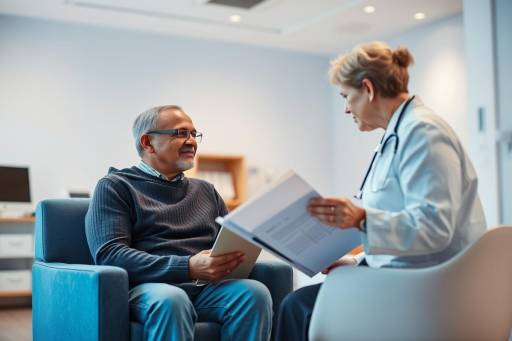
Regular check-ups with your healthcare provider are crucial. Schedule appointments every three to six months for comprehensive evaluations. During these visits, your doctor will perform necessary tests to monitor health after lymphoma. Blood tests and imaging studies can help detect any changes in your condition.
Incorporating a healthy lifestyle is another important step. Focus on balanced nutrition and regular exercise tailored to your abilities. Eating a variety of fruits, vegetables, and whole grains supports your immune system. Engaging in physical activity not only helps maintain a healthy weight but also enhances emotional well-being.
Staying informed about potential symptoms of relapse is vital. Keep track of any unusual changes in your body and report them to your doctor. Being proactive in health monitoring after cancer treatment empowers you to take charge of your recovery. Taking these steps helps you navigate life after lymphoma with confidence.
Recognizing Early Warning Signs of Lymphoma Relapse
Recognizing early warning signs of lymphoma relapse is crucial for survivors. Being aware of potential symptoms can lead to timely medical intervention. Common signs lymphoma is returning may include persistent fatigue, unexplained weight loss, and recurrent fevers. Staying vigilant helps ensure better outcomes during the recovery journey.
Unusual lumps, especially in the neck, armpits, or groin, should not be ignored. These may indicate swelling of lymph nodes, a common warning sign of lymphoma relapse. Regular self-examinations are essential for monitoring health after lymphoma. Detecting these changes early allows for prompt action and better management.
Night sweats and itching can also signal underlying issues. Experiencing these symptoms consistently may warrant further investigation. Being aware of the long-term effects of lymphoma treatment is necessary for health monitoring. Informing your healthcare provider about these symptoms is vital for ongoing care.
Taking proactive steps can significantly impact your health outcomes. Keep a journal of any changes in your body and discuss them with your doctor. Following lymphoma remission health tips can empower you to stay engaged in your recovery. Staying informed and proactive is key to a healthier future.
Essential Lifestyle Changes for Post-Lymphoma Recovery
Essential lifestyle changes for post-lymphoma recovery can greatly enhance your well-being. Adopting healthier habits after cancer is crucial for long-term health. Survivors often experience changes in their bodies that necessitate a fresh approach to daily living. Focusing on nutrition, exercise, and mental health will support your recovery journey.
Nutrition plays a vital role in maintaining health after lymphoma. Eating a balanced diet rich in fruits, vegetables, and whole grains can strengthen your immune system. Healthy habits after cancer include limiting processed foods and sugars. Staying hydrated and incorporating lean proteins also supports overall wellness.
Regular physical activity is another important component. Engaging in moderate exercise, such as walking or yoga, helps improve stamina and mood. Exercise can also reduce the risk of recurrence by promoting a healthy weight. Building a routine around physical activity fosters resilience during post-lymphoma recovery.
Mental health is equally important during this transition. Practicing mindfulness and stress management techniques can help alleviate anxiety. Connecting with support groups or counseling services provides valuable emotional support. Following lymphoma remission health tips can guide you in creating a balanced lifestyle that promotes healing. Taking these steps will empower you to thrive after lymphoma treatment.
How to Manage Emotional Health After Cancer Treatment
Managing emotional health after cancer treatment is vital for recovery. Survivors often face a range of feelings, from anxiety to grief. Recognizing how to stay healthy after lymphoma includes addressing mental health needs. Focusing on emotional well-being is essential for overall post-cancer wellness.
Support after lymphoma remission can take many forms. Connecting with friends and family provides a strong emotional foundation. Joining support groups lets survivors share experiences and feelings. These connections can help combat feelings of isolation and loneliness.
Practicing mindfulness and stress-reduction techniques can also be beneficial. Activities such as meditation, yoga, or journaling promote emotional clarity. Engaging in these practices regularly can improve mental health post-cancer. Establishing a routine that incorporates these methods fosters resilience during challenging times.
Seeking professional help is another vital step. Therapists and counselors can provide tailored support for emotional health after lymphoma. They offer coping strategies and tools to manage feelings effectively. Prioritizing emotional health will guide you toward a fulfilling life beyond cancer. Taking these actions empowers you to thrive in your journey.
Get Support From a Lymphoma Specialist
Answer a few short questions and HealthNode will help you connect with the right haematology, lymphoma, or cancer specialist.
Share Test or Symptom Details
This helps us understand whether you may need diagnosis, treatment planning, or follow-up care.
Final Details
Share anything important so the specialist can better understand the case.
Contact information
Your information is only used to contact you and is never shared with third parties.
Your request has been received!
Thank you. If you have blood test results, ultrasound, CT, PET-CT, biopsy, pathology, immunohistochemistry, flow cytometry, or previous treatment records, please keep them ready. A HealthNode consultant will guide you through the next step.
Crucial Vaccinations and Infection Prevention Tips
Crucial vaccinations and infection prevention tips are essential for lymphoma survivors. After treatment, the immune system may be weakened, increasing infection risks. Staying up to date on vaccinations after lymphoma remission plays a vital role in health. This proactive approach can significantly enhance your post-lymphoma recovery.
Vaccines such as the flu shot and pneumococcal vaccine are highly recommended. These vaccinations help protect against severe infections that can complicate recovery. Health monitoring after cancer treatment should include assessing vaccination status. Discussing your needs with a healthcare provider ensures you receive the necessary immunizations.
Infection prevention after lymphoma involves adopting good hygiene practices. Regular handwashing and avoiding crowded places can lower infection risks. Wearing a mask during flu season offers additional protection. Keeping your living space clean and sanitized further reduces exposure to germs.
Establishing a strong relationship with your healthcare team is crucial. Regular appointments allow for timely updates on vaccination needs. Following these crucial vaccinations and infection prevention tips empowers you to maintain a healthier lifestyle. Taking these steps will help you thrive in your journey after lymphoma.
Frequently Asked Questions
Q: What are effective ways to monitor health after lymphoma?
A: Regular check-ups with your healthcare provider are essential. Schedule appointments every three to six months. These visits help track your recovery and catch issues early. Discuss any new symptoms or concerns during these appointments.
Q: How can I implement lifestyle changes after lymphoma remission?
A: Focus on a balanced diet rich in fruits and vegetables. Incorporate regular physical activity into your daily routine. Engaging in mindfulness activities can also support emotional well-being. These lifestyle changes promote overall health during post-lymphoma recovery.
Q: When should I start health monitoring after cancer treatment?
A: Begin health monitoring immediately after completing cancer treatment. Early detection of issues is crucial for effective management. Regular follow-ups help assess any long-term effects of lymphoma treatment. Discuss your monitoring plan with your healthcare team.
Q: Is it necessary to follow lymphoma remission health tips?
A: Yes, following lymphoma remission health tips is very important. These guidelines help maintain your health and reduce recurrence risk. Staying informed about new research and recommendations is essential. Engage with your healthcare provider for personalized advice.
Q: Can emotional health impact my recovery after lymphoma?
A: Emotional health plays a significant role in recovery after lymphoma. High levels of stress can weaken the immune system. Seeking support from friends, family, or professionals is beneficial. Prioritizing mental well-being enhances overall recovery and resilience.
The information provided is for educational purposes only and does not constitute medical advice. Always consult with a healthcare professional for medical guidance specific to your situation.