Quick Answer
Staging in lymphoma diagnosis is the process of determining the extent and spread of the cancer through physical exams, imaging tests, and biopsies to guide treatment decisions and prognosis. Accurate staging is essential for selecting the most effective therapies and improving patient outcomes.
- Lymphoma staging involves physical examinations, blood tests, imaging scans like CT and PET, and biopsies to assess disease extent.
- Imaging tests provide detailed information about tumor location, size, and metabolic activity, aiding accurate staging.
- Factors influencing lymphoma stages include the number and location of affected lymph nodes and the presence of symptoms such as weight loss or fever.
- Accurate staging directly impacts treatment choices, with early stages potentially requiring less aggressive therapy than advanced stages.
- Regular staging assessments help monitor treatment response and guide adjustments if necessary.
- Patients benefit from understanding the staging process to reduce anxiety and participate actively in treatment planning.
- Preparation for staging tests includes following medical instructions, asking questions, and possibly bringing support to appointments for better experience and clarity.
What is staging in Lymphoma diagnosis?
Lymphoma staging plays a vital role in the diagnosis and treatment of this complex disease. Accurate lymphoma staging helps healthcare providers determine the extent of the cancer and the best treatment options. For patients, knowing their lymphoma stage can bring clarity and guide their journey toward recovery. Each stage provides crucial information that directly impacts prognosis and therapy choices.
The staging process in lymphoma diagnosis involves various tests and assessments. These evaluations include imaging scans and biopsies, which help identify how far the cancer has spread. Understanding how is lymphoma staged allows patients to grasp the significance of each step in their treatment plan. Knowledge about lymphoma stages can empower individuals and their families to make informed decisions.
Accurate lymphoma diagnosis and staging are essential for effective treatment outcomes. Early detection and thorough evaluation lead to a more tailored approach for each patient. Seeking information about the lymphoma staging process can alleviate uncertainty and foster a feeling of control. Staying informed is a critical aspect of navigating the challenges of lymphoma.
Get Support From a Lymphoma Specialist
Answer a few short questions and HealthNode will help you connect with the right haematology, lymphoma, or cancer specialist.
Share Test or Symptom Details
This helps us understand whether you may need diagnosis, treatment planning, or follow-up care.
Final Details
Share anything important so the specialist can better understand the case.
Contact information
Your information is only used to contact you and is never shared with third parties.
Your request has been received!
Thank you. If you have blood test results, ultrasound, CT, PET-CT, biopsy, pathology, immunohistochemistry, flow cytometry, or previous treatment records, please keep them ready. A HealthNode consultant will guide you through the next step.
5 Crucial Steps in the Lymphoma Staging Process
The staging process in lymphoma is essential for accurate diagnosis and treatment. This process involves several critical steps that help determine the extent of the disease. Knowing these lymphoma staging steps can aid patients in navigating their treatment journey more effectively.
Initial assessments are crucial in the lymphoma diagnosis explained. Doctors typically begin with a thorough physical examination. They look for swollen lymph nodes and other symptoms. Blood tests are often conducted to gather valuable information about the patient’s health. These early evaluations set the stage for further testing.
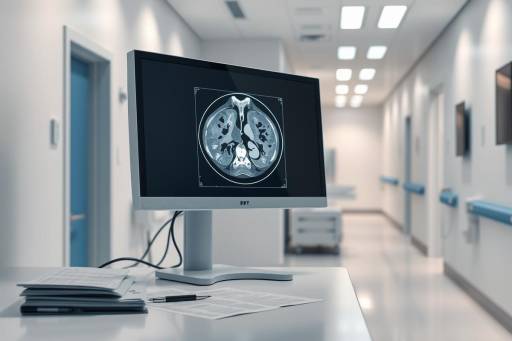
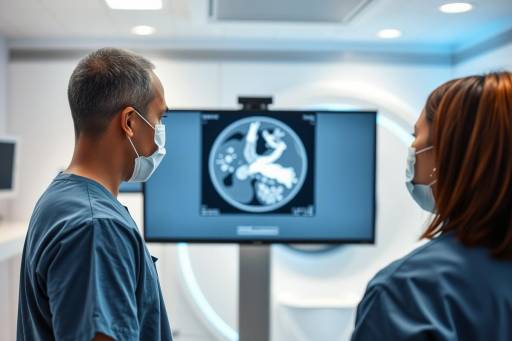
Imaging tests play a vital role in what happens during lymphoma staging. Common imaging methods include CT scans and PET scans. These tests provide detailed pictures of the lymphatic system and surrounding areas. They help doctors identify where the lymphoma is located and how far it has spread.
After imaging, biopsies are often performed to confirm the diagnosis. A biopsy involves taking a small sample of affected tissue. This step is critical for determining the specific type of lymphoma and its grade. Knowing the details can influence the treatment plan and improve outcomes.
Patients should actively engage in discussions about the staging process lymphoma. Understanding each step can reduce anxiety and provide clarity. Seek guidance from healthcare professionals and ask questions. Staying informed empowers patients and fosters a sense of control over their health journey.
How Doctors Use Imaging Tests to Stage Lymphoma Accurately
How doctors use imaging tests to stage lymphoma accurately is essential for effective treatment. These imaging tests play a crucial role in determining the extent of the cancer. By utilizing advanced technology, healthcare providers can gather valuable information for lymphoma diagnosis imaging.
CT scans are among the most common imaging tests for lymphoma staging. These scans provide detailed cross-sectional images of the body. Doctors can identify swollen lymph nodes and other affected areas. High-resolution images help pinpoint the location and size of the tumors, which is vital for accurate staging.
PET scans also contribute significantly to the staging process. These scans can reveal the metabolic activity of the cancer cells. Doctors often use PET scans alongside CT scans for comprehensive data. Combining these imaging tests lymphoma staging allows for a clearer picture of the disease’s progression.
Asking questions about the purpose of each test can clarify doubts. Knowing how is lymphoma staged through these tests empowers patients to take charge of their health. Engaging with healthcare providers fosters better communication and understanding of treatment options.
Vital Factors That Influence Lymphoma Stages
Vital factors that influence lymphoma stages are crucial for accurate diagnosis. These elements help determine how far the disease has progressed. Knowing the lymphoma stage criteria can greatly impact treatment decisions and patient outcomes.
One significant factor affecting lymphoma stage is the number of affected lymph nodes. Doctors evaluate how many nodes are involved and their locations. This assessment provides insight into the extent of the disease. For example, involvement of lymph nodes in different regions may indicate a more advanced stage.
Another essential factor is the presence of symptoms. Patients exhibiting symptoms such as weight loss or fever may have a different lymphoma stage. These indicators can suggest that the cancer is more aggressive. Recognizing the presence of symptoms helps doctors classify the lymphoma accurately and choose effective treatments.
Discussing what determines lymphoma stage can clarify the staging process. Being informed about factors affecting lymphoma stage allows patients to participate in their treatment planning. This collaborative approach enhances confidence and supports better health decisions moving forward.
Why Accurate Staging Is Essential for Lymphoma Treatment Success
Accurate staging is essential for lymphoma treatment success. Proper staging helps healthcare providers determine the most effective therapies. The importance of staging in lymphoma cannot be overstated, as it directly impacts patient outcomes.
Selecting the right treatment plan relies heavily on accurate staging. Doctors assess the lymphoma's progression to tailor therapies accordingly. For instance, early-stage lymphomas may respond well to chemotherapy alone. In contrast, advanced stages might require more aggressive intervention, such as targeted therapies or radiation.
The role of staging in lymphoma extends beyond initial treatment decisions. Regular staging assessments can guide ongoing treatment adjustments. Monitoring the lymphoma's response to therapy is crucial for optimizing care. If the cancer shows resistance, doctors can change the approach to improve effectiveness.
Being informed about how lymphoma diagnosis and treatment are interconnected empowers individuals. Questions about treatment planning lymphoma are vital for clarity and confidence. Engaging in open communication can enhance the overall treatment experience and foster better health outcomes.
Get Support From a Lymphoma Specialist
Answer a few short questions and HealthNode will help you connect with the right haematology, lymphoma, or cancer specialist.
Share Test or Symptom Details
This helps us understand whether you may need diagnosis, treatment planning, or follow-up care.
Final Details
Share anything important so the specialist can better understand the case.
Contact information
Your information is only used to contact you and is never shared with third parties.
Your request has been received!
Thank you. If you have blood test results, ultrasound, CT, PET-CT, biopsy, pathology, immunohistochemistry, flow cytometry, or previous treatment records, please keep them ready. A HealthNode consultant will guide you through the next step.
How to Prepare for Your Lymphoma Staging Tests
Preparing for your lymphoma staging tests is crucial for accurate results. These tests provide essential information about the extent of your disease. Knowing what to expect during lymphoma diagnosis can help ease anxiety and improve the experience.
Prior to the tests, confirm your appointment details with your healthcare provider. Arrive on time and follow any specific instructions given. For example, some imaging tests may require fasting or avoiding certain medications. Following these lymphoma staging preparation guidelines ensures the tests yield reliable results.
Communicating openly with your medical team is vital. Ask questions about the tests and their purposes. Knowing the types of imaging or biopsies involved can clarify the staging process. Understanding what happens during lymphoma staging enables you to mentally prepare for each step.
Consider bringing a support person to your appointments. Having someone with you can provide comfort and help you remember important information. Discuss any concerns you have about the tests with your healthcare provider. Engaging in this active role in your care can enhance your overall experience.
Frequently Asked Questions
Q: What is the lymphoma staging process?
A: The lymphoma staging process involves several key evaluations. Doctors assess the extent of cancer spread. Staging helps determine treatment options and prognosis. Accurate staging is crucial for effective lymphoma diagnosis and treatment.
Q: How is lymphoma staged during diagnosis?
A: Lymphoma is staged through physical exams and imaging tests. Doctors may use CT or PET scans for detailed insights. Biopsies can confirm the type and stage of lymphoma. Accurate staging informs the treatment strategy and approach.
Q: Why is staging important in lymphoma treatment?
A: The importance of staging in lymphoma cannot be overstated. It directly influences treatment decisions and outcomes. Proper staging helps identify the most effective therapies. Patients benefit from tailored treatment plans based on accurate staging.
Q: Can staging affect lymphoma diagnosis explained?
A: Yes, staging significantly impacts lymphoma diagnosis explained. It clarifies the extent of disease involvement. Accurate staging allows for appropriate treatment options. Knowing the stage helps patients understand their prognosis better.
Q: What factors influence lymphoma stages?
A: Several factors influence lymphoma stages, including lymph node involvement. The presence of symptoms can also affect staging. Doctors consider these factors during the staging process. Understanding these elements aids patients in their care journey.
The information provided is for educational purposes only and does not constitute medical advice. Always consult with a healthcare professional for medical guidance specific to your situation.