Table of Contents
How Are Realistic Cosmetic Dental Goals Established?
Realistic cosmetic dental goals are established through a careful process involving professional evaluation, patient communication, and personalized treatment planning. A qualified dentist assesses your oral health, facial structure, and aesthetic desires to determine achievable outcomes that align with your expectations and clinical possibilities.
This thorough approach ensures that your smile makeover or dental aesthetics improvements are both safe and satisfying, avoiding unrealistic promises or procedures that may not suit your individual case. Understanding the scope and limitations of cosmetic dental treatments helps you set practical goals before starting any procedures, so you are mentally prepared for what the process entails.
Knowing what can be realistically achieved allows you to partner effectively with your dentist, fostering a collaborative relationship where your preferences and concerns are valued. It also prepares you for the treatment journey, including recovery and maintenance, fostering better satisfaction with your cosmetic dental results by setting clear, attainable objectives from the outset.
Find the Right Cosmetic Dental Treatment for Your Smile
Answer a few short questions and HealthNode will help you connect with the right cosmetic dentist or smile design specialist.
Current Teeth and Treatment Interest
This helps us understand whether whitening, bonding, veneers, aligners, crowns, or a smile makeover may be more suitable.
Dental Health Check
A few details help the dentist understand whether any dental treatment may be needed before cosmetic work.
Contact information
Your information is only used to contact you and is never shared with third parties.
Your request has been received!
Thank you. If you have recent dental photos, dental X-rays, smile design plans, previous whitening, veneer, bonding, crown, or orthodontic records, please keep them ready. A HealthNode consultant will guide you through the next step.
Exploring Cosmetic Dental Goals: What Improvements Are Possible?
Cosmetic dental goals vary widely depending on individual needs and desires. Common objectives include teeth whitening, alignment correction, reshaping, and comprehensive smile design. Each of these aims to enhance dental aesthetics while preserving oral health.
Teeth whitening can brighten your smile significantly, but the results depend on factors such as the original tooth color, type of staining, and the whitening method used. Some treatments may require ongoing maintenance to sustain their effects. Alignment treatments, including braces or clear aligners, gradually improve the position of teeth, resulting in a straighter smile that can also enhance bite function.
Smile makeover procedures often combine several treatments like veneers, crowns, and bonding to address issues such as discoloration, gaps, chips, or misshapen teeth. These approaches work together to create a harmonious and natural-looking appearance. However, cosmetic dentistry outcomes depend on individual factors such as bone structure, gum health, and overall oral condition, which may limit certain options or affect results.
Setting realistic expectations is essential. Results aim for natural-looking improvements rather than perfection, prioritizing a balanced smile that complements your facial features. A well-designed smile balances aesthetics with function, contributing to your overall oral well-being and confidence.
The Role of a Dental Consultation in Goal Setting
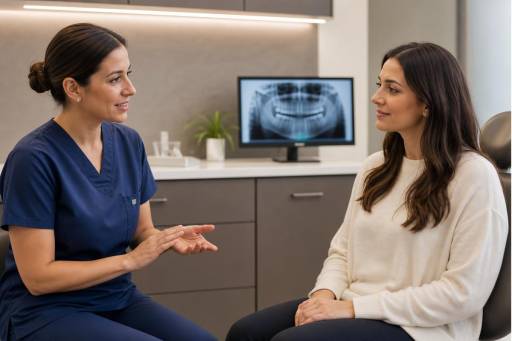
A dental consultation is fundamental in establishing realistic cosmetic dental goals. During this appointment, your dentist conducts a thorough assessment of your oral health, including the condition of your teeth, gums, and jawbone structure. This evaluation helps identify any underlying issues that may affect your treatment options.
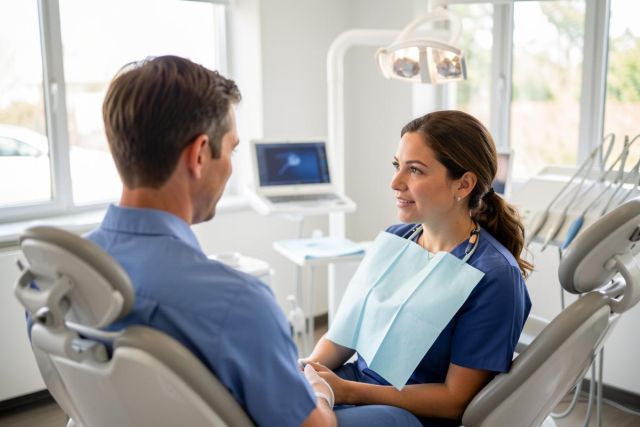
Your dentist will also discuss your aesthetic desires and expectations. They evaluate how these can be safely integrated with your dental anatomy, ensuring that the proposed treatments are both appropriate and achievable. Clear communication during this process ensures that your preferences are understood and that any potential limitations are explained, helping you make informed decisions.
Diagnostic tools such as photographs, x-rays, or digital smile design technology may be used to illustrate possible outcomes. These visual aids help you understand what can be realistically achieved and what treatments are necessary. Together, you and your dentist develop a treatment plan that balances your goals with clinical feasibility, considering factors like treatment duration, cost, and maintenance requirements.
This personalized plan sets the foundation for a successful cosmetic dentistry journey by aligning expectations and ensuring that you are fully informed every step of the way.
Factors Influencing Realistic Cosmetic Dental Goals
Several factors influence what cosmetic dental goals are achievable for you. First and foremost, your oral health status is paramount. Untreated decay or gum disease must be addressed before any cosmetic procedures to ensure a healthy foundation and prevent complications.
Next, your bone structure and tooth alignment play a significant role in determining the extent of reshaping or repositioning possible. For example, severe misalignment may require longer orthodontic treatment before cosmetic enhancements can be applied effectively.
Budget considerations also impact the choice of treatment options. Some procedures, such as veneers or implants, may be more costly and require multiple visits, while others like whitening or bonding tend to be more affordable and quicker to complete.
Personal preferences regarding appearance, treatment duration, and maintenance commitment shape the final goals. Some patients may prioritize quick fixes, whereas others are willing to invest more time for long-lasting results.
A realistic approach takes all these factors into account to create a treatment plan tailored to your unique situation. This balances what is desirable with what is practical and safe. Open communication about these influences helps manage expectations, ensuring you choose the best path for your smile improvement, minimizing surprises and maximizing satisfaction.
Collaborating with Your Dentist to Define Your Ideal Smile
Active collaboration with your dentist is key to setting practical, personalized cosmetic dental goals. Sharing your concerns, lifestyle, and aesthetic desires helps your dentist understand what matters most to you, allowing for a treatment plan that fits your unique needs.
Bringing photos or examples of smiles you admire can guide the discussion by providing visual references. This helps the dentist tailor smile design options that suit your facial features, personality, and expectations.
Throughout treatment planning, your dentist will explain the benefits, risks, and expected outcomes of various procedures, including potential side effects or limitations. This transparency allows you to make informed decisions and weigh the pros and cons of each option.
Regular feedback during treatment adjustments ensures the results align with your goals. Modifications can be made if needed to achieve the best possible outcome.
This partnership fosters trust and improves satisfaction with your final smile by keeping communication open and responsive throughout your cosmetic dental journey.
Managing Expectations: What to Know Before Starting Cosmetic Dental Treatments
Understanding the limitations and requirements of cosmetic dental treatments is essential before you begin. Some procedures may require multiple sessions, and recovery times vary depending on the treatment.
For example, teeth whitening offers immediate but temporary results that require periodic maintenance to sustain the brightness achieved. Orthodontic treatments, such as braces or clear aligners, can take months to years but provide long-lasting alignment improvements that enhance both function and appearance.
It is important to recognize that some treatments may cause temporary sensitivity or discomfort. Following your dentist’s aftercare instructions is crucial to minimize these effects.
Maintenance after cosmetic procedures is vital to preserve your results. This may involve routine dental hygiene practices like regular brushing and flossing, avoiding certain foods and beverages that can stain or damage your teeth, or wearing retainers to maintain teeth alignment after orthodontic treatment.
Being aware of these factors helps you prepare mentally and practically for your treatment journey. Realistic expectations reduce disappointment and support a positive experience with your new smile by helping you understand what is achievable and what ongoing care will be necessary to maintain your results over time.
Find the Right Cosmetic Dental Treatment for Your Smile
Answer a few short questions and HealthNode will help you connect with the right cosmetic dentist or smile design specialist.
Current Teeth and Treatment Interest
This helps us understand whether whitening, bonding, veneers, aligners, crowns, or a smile makeover may be more suitable.
Dental Health Check
A few details help the dentist understand whether any dental treatment may be needed before cosmetic work.
Contact information
Your information is only used to contact you and is never shared with third parties.
Your request has been received!
Thank you. If you have recent dental photos, dental X-rays, smile design plans, previous whitening, veneer, bonding, crown, or orthodontic records, please keep them ready. A HealthNode consultant will guide you through the next step.
Frequently Asked Questions
Q: How do I know if my cosmetic dental goals are realistic?
A: Consult with a qualified cosmetic dentist who can evaluate your oral health, facial features, and personal expectations to determine achievable outcomes.
Q: What factors can affect the results of cosmetic dental procedures?
A: Factors such as bone structure, gum health, existing dental work, and overall oral health can influence the results.
Q: How long does it take to see results from cosmetic dental treatments?
A: The timeline varies depending on the procedure, ranging from immediate results with whitening to several months for orthodontic treatments.
Q: Can I change my cosmetic dental goals later?
A: Yes, you can revisit and adjust your goals with your dentist as your treatment progresses or your preferences change.
Q: Is it possible to get a completely perfect smile?
A: While perfection is subjective, a skilled dentist can help you achieve a smile that looks natural and meets your aesthetic desires.
Q: What should I consider before starting cosmetic dental work?
A: Consider your oral health, budget, time commitment, and realistic expectations, and consult with a qualified dental professional.
The information provided is for educational purposes only and does not constitute medical advice. Always consult with a healthcare professional for medical guidance specific to your situation.