Table of Contents
What Dental Problems Can Dentures and Full-Mouth Prosthetics Address?
Dentures and full-mouth prosthetics are effective dental restoration options designed to address a variety of dental problems, primarily related to missing or severely damaged teeth. These prosthetic solutions restore oral function and aesthetics, helping patients regain the ability to chew, speak clearly, and smile confidently, which are essential for daily life and social interactions.
Many people experience dental issues such as tooth loss from decay, injury, or gum disease, which can significantly impact quality of life by limiting diet, causing speech difficulties, and affecting self-esteem. Dentures and full-mouth prosthetics provide a reliable way to replace missing teeth and support oral health, especially when other treatments like fillings or crowns are no longer viable due to the extent of damage.
Understanding these dental restorations will help you make informed decisions about your oral care. Whether you need a partial denture to replace a few missing teeth or a full-mouth prosthetic to restore an entire arch, knowing the benefits and limitations sets realistic expectations for your treatment journey. It also prepares you for the care and maintenance required to ensure the longevity and effectiveness of your prosthetics.
Restore Your Smile With Dentures or Full-Mouth Prosthetics
Answer a few short questions and HealthNode will help you connect with the right prosthodontic or restorative dental specialist.
Comfort, Function, and Appearance
This helps us understand whether you may need new dentures, denture adjustment, implant-supported dentures, or full-mouth prosthetics.
Dental History and Treatment Planning
A few details help the specialist understand whether you may need extractions, denture relining, implants, or full-mouth reconstruction.
Health and Prosthetic Factors
These details help the specialist understand any factors that may affect healing, denture fit, or implant-supported options.
Contact information
Your information is only used to contact you and is never shared with third parties.
Your request has been received!
Thank you. If you have dental X-rays, panoramic X-ray, CBCT scan, previous denture records, implant records, extraction notes, gum treatment records, or photos of your current dentures, please keep them ready. A HealthNode consultant will guide you through the next step.
Overall, these solutions play a vital role in improving not only oral health but also overall well-being, allowing patients to enjoy a better quality of life through restored function and appearance.
Comprehensive Guide to Dentures and Full-Mouth Prosthetics
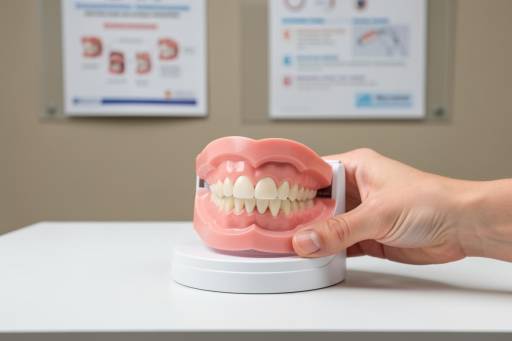
Dentures are removable dental appliances designed to replace missing teeth and surrounding tissues. They come in two main types: complete dentures, which replace all teeth in an arch, and partial dentures, which fill gaps when some natural teeth remain. Full-mouth prosthetics typically refer to comprehensive solutions that restore both upper and lower dental arches, often combining dentures with other restorative techniques such as implants or fixed bridges.
These prosthetics not only improve appearance but also restore essential oral functions such as chewing and speaking. They are custom-made to fit comfortably in your mouth and designed to complement your facial structure, helping to maintain a natural look and feel.
Dentures and full-mouth prosthetics are part of dental restoration strategies that aim to improve oral health, prevent further complications from tooth loss, and enhance overall quality of life. They are often recommended when natural teeth are lost or damaged beyond repair due to decay, trauma, or disease, and when other restorative options are not feasible or sufficient.
Understanding the types, functions, and care requirements of these prosthetics can help patients make informed decisions and adapt successfully to their use, ensuring long-term oral health and comfort.
Common Dental Problems Addressed by Dentures
Dentures effectively address several common dental problems that affect oral function and aesthetics. The primary issue is tooth loss, which can occur due to trauma, aging, or untreated dental conditions such as decay or gum disease. Missing teeth often lead to difficulties in chewing, speech challenges, and changes in facial appearance, including a sunken or aged look.
Severe tooth decay is another problem where dentures may be indicated. When decay destroys multiple teeth beyond the possibility of repair with fillings or crowns, replacing them with dentures can restore the ability to eat and speak properly while improving appearance.
Periodontal (gum) disease can cause tooth loosening and eventual loss by damaging the supporting structures of teeth. Dentures help fill the gaps left by lost teeth and support surrounding oral tissues, preventing further deterioration and helping maintain oral health.
Other dental issues that dentures can address include bite misalignment caused by missing teeth, which can lead to uneven wear on remaining teeth and jaw discomfort. Additionally, jawbone shrinkage over time due to tooth loss can alter facial structure. By restoring teeth, dentures help maintain jaw position and facial structure, contributing to better oral health overall and preventing complications related to bone loss and muscle changes.
Benefits of Full-Mouth Prosthetics for Patients
Full-mouth prosthetics offer significant improvements in quality of life by restoring essential functions and enhancing appearance. One key benefit is improved speech. Missing teeth can cause speech impediments, such as lisps or difficulty pronouncing certain sounds, but replacing them with well-fitted prosthetics helps restore clarity and confidence in verbal communication. This is especially important for social and professional interactions where clear speech is essential.
Chewing ability also improves with full-mouth prosthetics, allowing patients to enjoy a varied diet and maintain proper nutrition. When tooth loss limits food choices, patients may avoid certain nutritious foods that are harder to chew, leading to dietary deficiencies. Full-mouth prosthetics restore the ability to bite and chew effectively, supporting digestive health and overall well-being.
Self-confidence often increases as patients regain a natural-looking smile. This can positively impact social interactions and emotional well-being, reducing feelings of self-consciousness or embarrassment caused by missing teeth. The psychological benefits of restoring a complete smile can be profound, contributing to a better quality of life.
Full-mouth prosthetics also support oral function by maintaining jaw alignment and preventing further bone loss. When teeth are missing, the jawbone can deteriorate over time due to lack of stimulation. Prosthetics provide a stable foundation that helps preserve facial structure and oral health, preventing the sunken appearance often associated with tooth loss. Properly fitted prosthetics also help distribute biting forces evenly, reducing strain on remaining teeth and supporting tissues.
Choosing the Right Prosthetic Solution for Your Dental Needs
Selecting the appropriate prosthetic solution depends on various factors including your oral health status, lifestyle, and personal preferences. A thorough dental assessment is essential to understand the extent of tooth loss, gum health, and bone condition, as these influence which type of prosthetic will provide the best function and comfort.
Your lifestyle considerations, such as daily activities, occupational demands, and dietary habits, will influence whether partial dentures, complete dentures, or full-mouth prosthetics are most suitable. For instance, active individuals or those who eat a wide variety of foods may prefer durable prosthetics designed to withstand regular use and provide strong chewing ability.
Patient preferences regarding aesthetics, comfort, and maintenance also play a crucial role. Some patients prioritize a natural appearance that closely mimics real teeth, while others focus on ease of cleaning and convenience. Understanding these preferences helps guide the choice of materials and design.
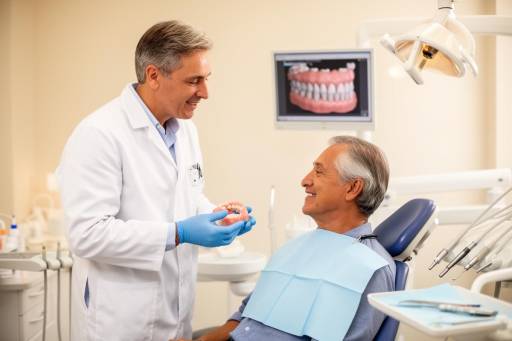
Collaborating with your dental professional during treatment planning ensures the prosthetic option aligns with your needs and expectations. Your dentist will explain the benefits and limitations of each option, helping you make an informed decision that provides a tailored solution for your oral health restoration and lifestyle demands.
The Process of Getting Dentures and Full-Mouth Prosthetics
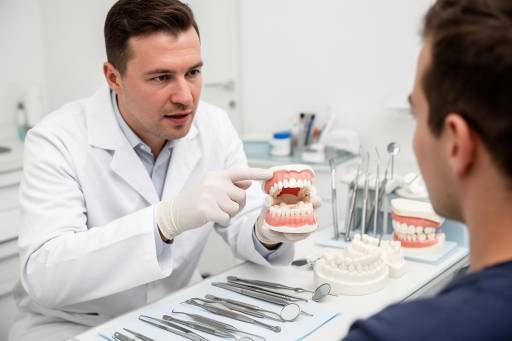
The journey to receiving dentures or full-mouth prosthetics typically begins with a dental consultation. During this visit, your dentist evaluates your oral health, including the condition of your gums, remaining teeth, and jawbone structure, and discusses your treatment goals and expectations.
Impressions of your mouth are taken to create custom prosthetics that fit comfortably and function well. This process may involve several appointments to capture accurate measurements and to allow for trial fittings. Adjustments to the prosthetics are often necessary to ensure proper fit, bite alignment, and comfort, as an ill-fitting denture can cause soreness or difficulty eating.
Once the prosthetics are fabricated, the fitting process includes checking for comfort, appearance, and function. Your dentist will assess how the dentures fit in your mouth, how they affect your speech, and whether they restore your chewing ability effectively. You will receive detailed instructions about wearing and caring for your new dentures, including how to insert and remove them safely.
Follow-up care is important to address any discomfort, sore spots, or functional issues that may arise as you adapt to your new prosthetics. Regular dental visits help monitor the condition of your prosthetics and the health of your gums and remaining teeth, allowing your dentist to make timely adjustments and provide guidance to ensure long-term success with your dentures or full-mouth prosthetics.
Maintaining Your Dentures and Prosthetics for Longevity
Proper care of dentures and full-mouth prosthetics is crucial to ensure their durability and your oral health. Cleaning your prosthetics daily with appropriate brushes and denture cleansers prevents plaque buildup, stains, and bacterial growth, which can lead to bad odors or infections. It is important to use products specifically designed for dentures rather than regular toothpaste, which can be abrasive.
Removing dentures at night allows your gums to rest and reduces the risk of irritation or sores. It also helps maintain the prosthetic’s shape by preventing unnecessary pressure and wear. During this time, dentures should be soaked in water or a denture-soaking solution to keep them moist and prevent warping.
Avoiding abrasive cleaning materials and hot water protects the surface of your dentures from damage such as scratches or deformation. Gentle cleaning preserves the smooth finish and fit of the prosthetics, which is essential for comfort and function.
Restore Your Smile With Dentures or Full-Mouth Prosthetics
Answer a few short questions and HealthNode will help you connect with the right prosthodontic or restorative dental specialist.
Comfort, Function, and Appearance
This helps us understand whether you may need new dentures, denture adjustment, implant-supported dentures, or full-mouth prosthetics.
Dental History and Treatment Planning
A few details help the specialist understand whether you may need extractions, denture relining, implants, or full-mouth reconstruction.
Health and Prosthetic Factors
These details help the specialist understand any factors that may affect healing, denture fit, or implant-supported options.
Contact information
Your information is only used to contact you and is never shared with third parties.
Your request has been received!
Thank you. If you have dental X-rays, panoramic X-ray, CBCT scan, previous denture records, implant records, extraction notes, gum treatment records, or photos of your current dentures, please keep them ready. A HealthNode consultant will guide you through the next step.
Regular dental check-ups are essential to assess the fit and condition of your prosthetics. Over time, changes in the shape of your gums and jawbone may affect how well your dentures fit, potentially causing discomfort or slipping. Your dentist can make necessary adjustments, relines, or repairs to ensure optimal fit and function. These visits also allow for monitoring of your oral tissues to detect any signs of irritation, infection, or other health concerns early, thereby prolonging the life of your dentures and maintaining your oral health.
Frequently Asked Questions
Q: Are dentures suitable for all types of tooth loss?
A: Dentures can address many types of tooth loss, but suitability depends on your oral health and specific needs. A dental professional will evaluate your condition to recommend the best option for you.
Q: How long do full-mouth prosthetics typically last?
A: Full-mouth prosthetics usually last between 5 to 15 years with proper care. Longevity depends on the materials used and how well you maintain them.
Q: What are the main differences between partial and full dentures?
A: Partial dentures replace a few missing teeth and attach to your remaining teeth, while full dentures replace an entire arch and rest directly on your gums.
Q: Is getting dentures painful?
A: You may experience some discomfort during fitting and adjustment, but this is generally temporary. Dentists provide guidance to minimize any pain during the process.
Q: Can dentures improve speech and eating?
A: Well-fitted dentures can significantly enhance your ability to speak clearly and chew effectively, improving overall quality of life.
Q: What should I consider before choosing full-mouth prosthetics?
A: Consider your oral health, lifestyle, budget, and personal preferences. A thorough consultation with a dental professional is essential to make the best choice.
The information provided is for educational purposes only and does not constitute medical advice. Always consult with a healthcare professional for medical guidance specific to your situation.