Table of Contents
How Are Dental Crown Materials Selected?
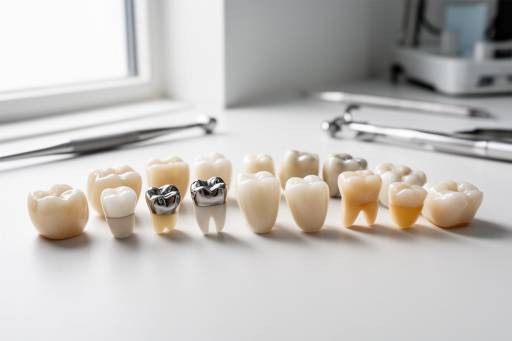
Dental crown materials are selected based on a combination of factors that include the crown's intended function, its location in the mouth, aesthetic preferences, and the patient's overall oral health status. Common materials used for crowns include porcelain, metal alloys, ceramics, and hybrid options such as porcelain fused to metal. Each material offers unique advantages and limitations related to durability, appearance, biocompatibility, and how they interact with the surrounding oral tissues.
Understanding these materials and their properties can help you make an informed decision in collaboration with your dentist. Your dental provider will consider clinical needs such as the strength required to withstand biting forces, resistance to wear, and the compatibility of the material with your gums and other oral structures. Aesthetic goals are also important, as some materials provide a more natural look by closely matching the color and translucency of your natural teeth.
Personal health factors, including any allergies to metals or sensitivities to dental materials, as well as the condition of the tooth being restored, influence the choice of crown material. For example, patients with metal allergies may benefit from metal-free ceramic crowns, while those needing maximum strength for back teeth may require metal or zirconia crowns.
Restore Damaged or Missing Teeth With Crowns and Bridges
Answer a few short questions and HealthNode will help you connect with the right restorative or cosmetic dentist.
Crown, Bridge, or Replacement Needs
This helps us understand whether a crown, bridge, implant, or another treatment may be more suitable.
Dental Health Check
A few details help the dentist understand whether any treatment is needed before placing a crown or bridge.
Contact information
Your information is only used to contact you and is never shared with third parties.
Your request has been received!
Thank you. If you have dental X-rays, panoramic X-ray, CBCT scan, root canal records, previous crown or bridge records, treatment plans, or dental photos, please keep them ready. A HealthNode consultant will guide you through the next step.
With various options available, selecting the right dental crown material is a personalized process that balances functional requirements with your smile goals. This guidance helps you feel confident discussing options and planning your restorative dental care, ensuring that the final restoration meets both your health needs and cosmetic expectations.
Exploring the Different Materials Used for Dental Crowns
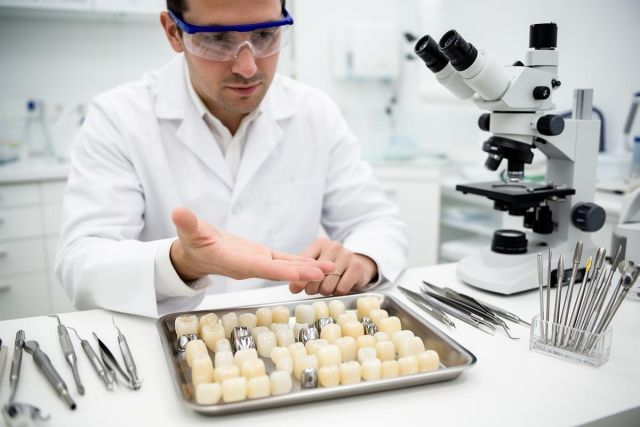
Dental crowns are fabricated from several common materials, each tailored to meet different clinical and cosmetic needs depending on the tooth’s location, function, and patient preferences. Porcelain crowns are widely favored for their natural appearance, as they closely mimic the color, translucency, and texture of natural teeth. This makes them especially suitable for front teeth restorations where aesthetics are a priority. However, porcelain crowns generally have lower strength compared to metal crowns and may be more prone to chipping or cracking under heavy biting forces.
Metal crowns, which include alloys such as gold, palladium, and base metals, provide superior strength and excellent wear resistance. They are highly durable and can withstand the intense chewing forces typically encountered by molars and other posterior teeth. Although metal crowns do not resemble natural tooth color and are more visible, their longevity and minimal tooth preparation requirements make them a practical choice for less visible areas.
Ceramic crowns, including newer zirconia-based types, offer a balance between aesthetics and strength. Zirconia crowns are biocompatible, meaning they are less likely to cause allergic reactions or gum irritation. They are also highly resistant to staining and discoloration, making them a good option for patients seeking metal-free restorations. While ceramic crowns have improved durability compared to traditional porcelain, they can still be susceptible to fractures if subjected to extreme stress.
Each material has distinct advantages and limitations. Your dentist will evaluate these factors alongside your specific dental needs, bite dynamics, and cosmetic goals to recommend the most appropriate crown material. This ensures that your restoration not only looks natural but also functions effectively and lasts over time.
Factors Influencing the Choice of Crown Material
Several key factors influence a dentist’s decision when selecting the most appropriate crown material for each patient, ensuring the restoration meets both functional and aesthetic requirements. Durability is a primary consideration, especially for crowns placed on molars and other teeth that endure heavy bite forces during chewing and grinding. Metal crowns and zirconia ceramic crowns are known for their exceptional strength and longevity, making them suitable for these high-stress areas. In contrast, porcelain crowns offer superior aesthetics but may be more prone to chipping or fracturing, especially if the patient has habits like teeth grinding.
Appearance plays a significant role, particularly for crowns on front teeth where a natural look is essential. Porcelain and ceramic crowns provide the most lifelike appearance, closely matching the color, translucency, and texture of natural teeth. Patients who prioritize a seamless smile often choose these materials despite potential compromises in durability.
Patient health factors also affect material choice. Allergies to metal alloys can exclude certain crown options, while gum sensitivity or periodontal conditions may necessitate materials that are gentle on the soft tissues and biocompatible. Your dentist will review your medical and dental history to avoid materials that could cause irritation or allergic reactions.
Other clinical considerations include the amount of healthy tooth structure remaining after decay or damage, as this influences how much tooth preparation is needed and which materials can be effectively bonded. The location of the tooth in the mouth and the condition of opposing teeth also guide material selection to maintain proper occlusion and prevent excessive wear.
By carefully weighing these factors, your dentist aims to recommend a crown material that not only restores the tooth’s function and appearance but also supports your long-term oral health and comfort.
Comparing Crown Materials: Pros and Cons
Choosing the right dental crown material involves carefully balancing the benefits and potential drawbacks of each option to meet both functional and aesthetic needs. Porcelain crowns are highly prized for their excellent aesthetic qualities, as they closely mimic the translucency and color of natural teeth, making them ideal for visible front teeth. However, porcelain crowns can be abrasive to opposing teeth, potentially causing wear over time, and they are more susceptible to chipping or cracking compared to metal crowns, especially under heavy biting forces or accidental trauma.
Metal crowns, which include gold and other metal alloys, offer exceptional durability and strength. They require less removal of the natural tooth structure during preparation, preserving more of the original tooth. This makes metal crowns particularly suitable for molars and other back teeth that endure significant chewing pressure. Their main drawback is their metallic appearance, which is often considered less aesthetically pleasing, so they are generally not recommended for front teeth or other highly visible areas.
Ceramic crowns, especially those made from zirconia, represent a strong and biocompatible alternative. Zirconia crowns combine good aesthetics with high fracture resistance and are less likely to cause allergic reactions, making them suitable for patients with metal sensitivities. They also resist staining and discoloration over time. However, ceramic crowns can sometimes be brittle under certain types of stress, such as heavy grinding or clenching, which may lead to fractures if not properly managed.
By understanding the strengths and limitations of each crown material, patients and dentists can collaborate to select a crown that best fits the individual’s functional requirements, aesthetic preferences, and oral health conditions. This thoughtful selection process helps ensure long-term success and satisfaction with the dental restoration.
Questions to Discuss with Your Dentist About Crown Materials
Engaging in an open and thorough dialogue with your dentist about dental crown materials is vital to making an informed decision that aligns with your dental health and aesthetic goals. One important topic to discuss is the durability of each material. Ask how well different crown types hold up under the specific bite forces exerted by your teeth, especially if the crown will be placed on a molar or a tooth that experiences heavy chewing.
Inquire about the aesthetic outcomes you can expect from each material. Understanding how closely a crown will match the color, translucency, and overall appearance of your natural teeth helps set realistic expectations. Additionally, ask about any maintenance or special care required to keep the crown looking its best over time.
If you have known allergies or sensitivities, particularly to metals, it is crucial to inform your dentist. This information will influence the choice of materials to avoid adverse reactions and ensure comfort.
Clarify the expected lifespan of each crown type and discuss the likelihood of needing future repairs or replacements. Some materials may last longer but could be more difficult or costly to repair if damaged.
Understanding the procedural aspects, such as how the crown will be placed, the number of visits required, and the aftercare involved, will help you prepare mentally and logistically for the treatment.
By asking these questions, you empower yourself with knowledge, enabling you to select a crown material that fits your lifestyle, oral health needs, and cosmetic preferences, ultimately leading to greater satisfaction with your dental restoration.
Preparing for Your Dental Crown Procedure
Preparing well for your dental crown procedure is essential to ensure a smooth experience and achieve optimal results. The process typically begins with a thorough examination of the affected tooth, which may include X-rays or other imaging techniques to assess the extent of decay, damage, or infection. This evaluation helps the dentist determine whether a crown is the best treatment option and guides the planning of the restoration.
Before the procedure, the dentist will administer local anesthesia to numb the area around the tooth, ensuring you remain comfortable and pain-free during the treatment. Understanding that anesthesia will be used can help reduce anxiety and make you feel more at ease.
The next step involves shaping the tooth by removing a portion of the enamel and, if necessary, underlying dentin to create enough space for the crown to fit properly without altering your bite. This step requires precision to avoid removing excessive tooth structure while ensuring the crown will seat securely.
After shaping, the dentist takes an impression of the prepared tooth and the surrounding teeth. This impression is crucial for fabricating a crown that fits accurately and aligns well with your bite. In some cases, digital scanning technology may be used instead of traditional molds.
Restore Damaged or Missing Teeth With Crowns and Bridges
Answer a few short questions and HealthNode will help you connect with the right restorative or cosmetic dentist.
Crown, Bridge, or Replacement Needs
This helps us understand whether a crown, bridge, implant, or another treatment may be more suitable.
Dental Health Check
A few details help the dentist understand whether any treatment is needed before placing a crown or bridge.
Contact information
Your information is only used to contact you and is never shared with third parties.
Your request has been received!
Thank you. If you have dental X-rays, panoramic X-ray, CBCT scan, root canal records, previous crown or bridge records, treatment plans, or dental photos, please keep them ready. A HealthNode consultant will guide you through the next step.
To protect the prepared tooth while the permanent crown is being made, a temporary crown is placed. This temporary restoration shields the tooth from sensitivity, food debris, and potential damage. It is important to follow your dentist’s care instructions carefully during this period, such as avoiding sticky or hard foods and maintaining good oral hygiene, to prevent dislodging or damaging the temporary crown.
Before the procedure, discussing any concerns you have with your dentist, such as pain management options, procedure length, or post-treatment care, can help set realistic expectations and reduce anxiety. Being well-prepared and informed allows you to actively participate in your care and contributes to a more positive overall experience.
Frequently Asked Questions
Q: What are the most common materials used for dental crowns?
A: The most common dental crown materials include porcelain, metal alloys, ceramic, and porcelain fused to metal. Each has advantages based on strength, appearance, and biocompatibility. Your dentist will recommend the best option for your needs.
Q: How do dentists decide which crown material to use?
A: Dentists consider factors like the tooth's location, biting forces, aesthetic needs, and patient allergies or sensitivities. They balance durability and appearance to choose a material that suits both function and smile goals.
Q: Are metal crowns safe for people with metal allergies?
A: Some metal crowns contain alloys that may cause allergic reactions in sensitive individuals. If you have known metal allergies, inform your dentist so they can select a biocompatible material like ceramic or zirconia.
Q: What should I ask my dentist before getting a crown?
A: Ask about the pros and cons of different materials, expected appearance, durability, procedure details, and aftercare. Discuss any health concerns or preferences to ensure your crown suits your needs.
Q: How long do dental crowns typically last?
A: Dental crowns usually last between 5 to 15 years depending on material, oral hygiene, and habits like grinding teeth. Regular dental visits and proper care can extend their lifespan.
The information provided is for educational purposes only and does not constitute medical advice. Always consult with a healthcare professional for medical guidance specific to your situation.