Table of Contents
What Are Dental Bridges Used For?
Dental bridges are a common and effective solution used to replace one or more missing teeth by bridging the gap with artificial teeth. They restore your ability to chew and speak properly, maintain the shape of your face, and prevent remaining teeth from shifting out of position. This makes dental bridges an essential part of restorative dentistry for many patients who seek to improve both function and appearance.
Missing teeth can lead to difficulties in eating, speech problems, and a less confident smile, which is why dental bridges play an important role in improving both oral function and aesthetics. The absence of teeth can cause remaining teeth to drift, leading to misalignment, bite issues, and increased risk of gum disease. Bridges help to stabilize your bite and preserve the natural alignment of your teeth.
Dental bridges rely on adjacent teeth or implants for support and come in various types to suit different dental needs, including traditional bridges, cantilever bridges, and implant-supported bridges. Each type has specific indications depending on the location of the missing teeth and the condition of surrounding teeth and bone.
Restore Damaged or Missing Teeth With Crowns and Bridges
Answer a few short questions and HealthNode will help you connect with the right restorative or cosmetic dentist.
Crown, Bridge, or Replacement Needs
This helps us understand whether a crown, bridge, implant, or another treatment may be more suitable.
Dental Health Check
A few details help the dentist understand whether any treatment is needed before placing a crown or bridge.
Contact information
Your information is only used to contact you and is never shared with third parties.
Your request has been received!
Thank you. If you have dental X-rays, panoramic X-ray, CBCT scan, root canal records, previous crown or bridge records, treatment plans, or dental photos, please keep them ready. A HealthNode consultant will guide you through the next step.
Understanding how dental bridges work and what to expect from the procedure can help you make an informed decision about your oral health. This article will guide you through the purpose of dental bridges, the treatment process, benefits, limitations, and cost considerations, providing a comprehensive overview to help you navigate this restorative option with confidence.
Dental Bridges: A Vital Solution for Replacing Missing Teeth
Dental bridges serve as a fixed dental restoration designed to replace one or more missing teeth by literally bridging the gap between healthy teeth. The bridge consists of one or more artificial teeth called pontics, which are anchored to adjacent natural teeth or dental implants known as abutments. This anchoring provides stability and allows the bridge to function like natural teeth.
This restoration helps restore crucial functions such as chewing and speaking, which can be compromised when teeth are missing. Missing teeth can lead to difficulty in breaking down food properly, affecting digestion, and may cause speech impediments or changes in pronunciation. Beyond function, dental bridges help maintain the natural contour of your face by preventing the sunken appearance that can result from tooth loss. They also prevent remaining teeth from drifting into the empty space, which can cause bite problems, misalignment, and jaw pain.
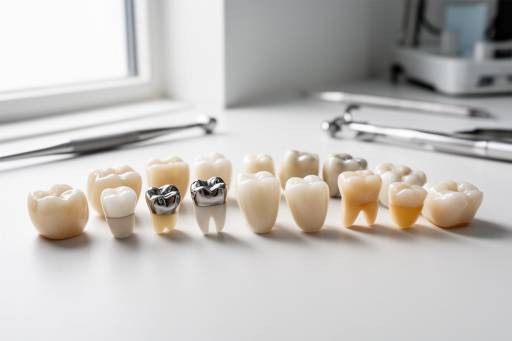
In restorative dentistry, bridges are valued for their ability to provide a stable, non-removable option that improves oral health and aesthetics. Unlike removable dentures, bridges are fixed in place, offering greater comfort and confidence during daily activities. They offer a practical alternative when dental implants are not suitable or desired due to factors like bone density, medical conditions, or cost considerations. Dental bridges can be made from materials such as porcelain, ceramic, or metal alloys, which are chosen to blend seamlessly with your natural teeth and provide durability.
Understanding the role of dental bridges can help patients appreciate their benefits and limitations, and assist in making informed decisions about their oral health care.
How Dental Bridges Are Placed: The Procedure Step-by-Step
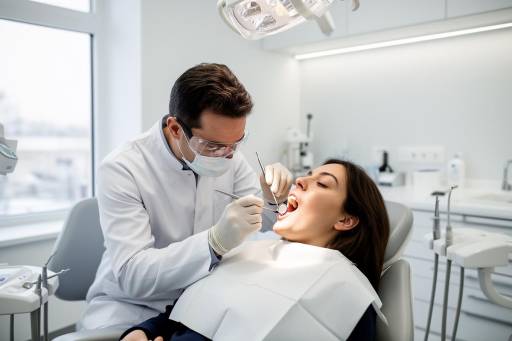
The dental bridge procedure typically involves multiple visits to your dentist to ensure a precise fit and comfortable restoration. Initially, the abutment teeth on either side of the gap are prepared by removing a portion of enamel. This step is necessary to accommodate the crowns that will support the bridge, and it requires careful shaping to avoid damaging the teeth while providing a stable foundation.
Next, your dentist will take impressions of your teeth, either using traditional molds or digital scanning technology. These impressions are sent to a dental laboratory where the bridge is custom-made to fit your mouth precisely, matching the shape, size, and color of your natural teeth. While the permanent bridge is being fabricated, a temporary bridge may be placed to protect the prepared teeth and maintain the space.
During the final appointment, the temporary bridge is removed, and the new dental bridge is carefully fitted and adjusted. Your dentist will check the restoration for comfort, proper bite alignment, and aesthetic appearance, making any necessary modifications. Once satisfied, the bridge is permanently cemented in place.
After placement, maintaining proper oral hygiene is essential to preserve the health of the supporting teeth and gums. This includes brushing twice daily, flossing with special dental floss or interdental brushes designed to clean under the bridge, and attending regular dental check-ups. Your dentist may provide specific instructions on care to extend the lifespan of your bridge and prevent complications such as decay or gum disease around the abutment teeth.
Benefits and Limitations of Dental Bridges
Dental bridges offer several benefits, such as restoring your smile’s appearance and improving your ability to chew and speak clearly. By filling the gap left by missing teeth, bridges help maintain the natural alignment of your teeth and can prevent further oral health issues caused by shifting teeth, such as bite problems and jaw discomfort. The restoration also supports facial structure, reducing the risk of a sunken or aged appearance.
Because bridges are fixed restorations, they provide a stable and comfortable solution compared to removable dentures, which can sometimes slip or cause irritation. Bridges are typically completed more quickly and with less invasive surgery than dental implants, making them an attractive option for many patients who prefer a less complex treatment or who have medical conditions that contraindicate implant surgery.
However, dental bridges do have limitations. The procedure requires altering healthy adjacent teeth to support the bridge, which may compromise their strength over time and increase the risk of decay or damage. Additionally, bridges do not prevent bone loss in the area of the missing tooth, a concern that dental implants can help mitigate by stimulating the jawbone.
It is important to consider these factors and discuss them with your dentist, who can help you weigh the pros and cons based on your specific oral health, preferences, and lifestyle. This collaborative approach ensures that you choose the most suitable restorative option for your needs.
Cost Factors and Budgeting for Dental Bridges
The cost of dental bridges varies depending on several factors including the type of materials used, the number of teeth being replaced, and the geographic location of the dental practice. For example, porcelain or ceramic bridges tend to be more expensive than metal-based options because they offer a more natural appearance and are often preferred for front teeth. The complexity of the case, such as the need for additional dental work like root canals or gum treatment, can also impact the overall cost.
Costs also differ depending on whether the bridge is supported by natural teeth or dental implants. Implant-supported bridges generally involve higher costs due to the surgical procedure and implant components required. The preparation needed for abutment teeth, including shaping and possible restorations, can add to the expense. Additional expenses such as diagnostic X-rays, consultations, and follow-up visits should also be factored into your budget.
Dental bridges are often a more cost-effective solution compared to dental implants, especially when multiple teeth are missing and implants may not be feasible or affordable. However, it is important to consider the long-term maintenance costs, as bridges may need replacement or repair over time. While some dental insurance plans may cover part of the cost, coverage varies widely depending on the provider and policy terms, so it is important to consult your insurance company for details about what is included.
Planning your budget carefully and discussing payment options with your dental provider can help you manage the financial aspect of getting a dental bridge without unexpected surprises. Some clinics offer financing plans or payment schedules to make treatment more accessible. Being informed about all potential costs upfront allows you to make a decision that fits your financial situation while addressing your dental needs.
Choosing the Right Dental Provider for Your Bridge
Selecting a qualified and experienced dental professional is crucial to ensure the success and longevity of your dental bridge. It is important to look for dentists who specialize in restorative dentistry or prosthodontics, as these specialists have advanced training in procedures involving dental restorations such as bridges. Additionally, reviewing a dentist’s track record with dental bridge procedures can provide reassurance about their expertise and the quality of outcomes you can expect.
During your initial consultation, it is beneficial to ask detailed questions about the dentist’s experience with bridges, including how many procedures they have performed and any complications they have encountered. Understanding the types of materials they use, such as porcelain, ceramic, or metal alloys, and the expected lifespan of the restoration can help you set realistic expectations for durability and appearance. You should also inquire about the technology and techniques employed in the process. For example, the use of digital impressions or CAD/CAM fabrication can enhance the precision of the fit and improve overall comfort, reducing the need for adjustments.
Choosing a dental clinic that maintains high standards of hygiene and patient care is equally important to minimize the risk of infection and ensure a safe treatment environment. Reading patient reviews and seeking recommendations from trusted sources can provide valuable insights into the quality of service and patient satisfaction. Additionally, consider the clinic’s approach to patient education and communication, as clear dialogue about your treatment options, potential risks, and aftercare is essential.
Ultimately, establishing clear communication with your dentist regarding your goals, concerns, and budget will help you feel confident in your treatment plan and the expected outcome. Being informed and comfortable with your provider can contribute significantly to a positive experience and successful restoration.
Frequently Asked Questions
Q: How long do dental bridges typically last?
Restore Damaged or Missing Teeth With Crowns and Bridges
Answer a few short questions and HealthNode will help you connect with the right restorative or cosmetic dentist.
Crown, Bridge, or Replacement Needs
This helps us understand whether a crown, bridge, implant, or another treatment may be more suitable.
Dental Health Check
A few details help the dentist understand whether any treatment is needed before placing a crown or bridge.
Contact information
Your information is only used to contact you and is never shared with third parties.
Your request has been received!
Thank you. If you have dental X-rays, panoramic X-ray, CBCT scan, root canal records, previous crown or bridge records, treatment plans, or dental photos, please keep them ready. A HealthNode consultant will guide you through the next step.
A: With proper care, dental bridges can last between 5 to 15 years, depending on the material used and oral hygiene practices.
Q: Are dental bridges covered by insurance?
A: Insurance coverage varies; some plans may cover part of the cost, especially if deemed medically necessary. It's best to check with your provider.
Q: What are the different types of dental bridges?
A: Common types include traditional fixed bridges, cantilever bridges, and Maryland bridges, each suited for different clinical situations.
Q: Is the dental bridge procedure painful?
A: Most patients experience minimal discomfort; local anesthesia is used during the procedure, and post-treatment discomfort is usually manageable.
Q: Can I eat normally after getting a dental bridge?
A: Initially, you may need to avoid hard or sticky foods, but generally, patients can resume normal eating habits once healed.
Q: How do I care for my dental bridge?
A: Maintain good oral hygiene by brushing, flossing, and regular dental check-ups to ensure longevity of the bridge.
The information provided is for educational purposes only and does not constitute medical advice. Always consult with a healthcare professional for medical guidance specific to your situation.