Table of Contents
What Should You Do If a Dental Filling Falls Out?
If a dental filling falls out, it is important to act quickly to protect your tooth and prevent further damage or infection. You should contact your dentist promptly to arrange an evaluation and appropriate treatment, as leaving the tooth exposed can lead to increased sensitivity, decay, and potential infection.
In the meantime, managing any discomfort and protecting the exposed area can help reduce pain and avoid complications such as food trapping or bacterial invasion. Dental fillings can dislodge for various reasons including decay, trauma, or wear over time, and recognizing the signs of a lost filling helps you respond appropriately and seek care without delay.
Understanding the causes of filling loss and the immediate steps to take ensures you maintain your oral health and avoid more complex dental problems that may require extensive treatment. This guidance is intended to help you navigate the situation calmly and effectively, providing practical advice on how to care for your tooth until professional care is obtained. Always consult your dental professional for personalized advice and treatment tailored to your individual needs and dental condition.
Restore Cavities, Cracks, and Damaged Teeth
Answer a few short questions and HealthNode will help you connect with the right restorative dentist for fillings or tooth repair.
Pain, Sensitivity, and Damage
This helps us understand whether you may need a simple filling, tooth restoration, root canal evaluation, or another treatment.
Previous Dental Care and Preferences
A few details help the dentist understand the best restoration option for your tooth.
Final Details
Share anything important so the dentist can better understand your case.
Contact information
Your information is only used to contact you and is never shared with third parties.
Your request has been received!
Thank you. If you have dental X-rays, photos of the damaged tooth, previous filling records, root canal records, treatment plans, or information about tooth pain or sensitivity, please keep them ready. A HealthNode consultant will guide you through the next step.
Common Causes and Signs of Dental Fillings Falling Out
Dental fillings may fall out due to several common factors that compromise their stability and adhesion to the tooth. One frequent cause is the development of decay forming around or beneath the filling, which weakens its bond and can cause the filling to loosen or detach.
Wear and tear from normal chewing, grinding (bruxism), or biting on hard foods can also gradually loosen or crack fillings over time, especially if the filling material is older or the filling was large. Poor oral hygiene contributes to decay and filling failure by allowing plaque and bacteria to accumulate around the restoration.
Accidental trauma such as a blow to the mouth or biting down on a hard object can cause fillings to dislodge suddenly. Additionally, some filling materials may degrade, shrink, or expand slightly with temperature changes, affecting their durability and fit.
You might notice symptoms such as increased tooth sensitivity to hot, cold, or sweet stimuli, pain when biting or chewing, or a rough or sharp feeling where the filling was located. Sometimes, the filling may fall out without immediate discomfort but still leaves the tooth vulnerable to decay and infection.
Recognizing these early signs can prompt you to seek dental care before complications develop, helping to preserve your tooth and avoid more invasive treatments.
Immediate Steps to Take After a Filling Falls Out
When you discover a filling has fallen out, the first priority is to protect the exposed tooth surface and prevent further damage or infection. Begin by rinsing your mouth gently with warm water to clean the area and remove any debris or loose fragments.
If you have the lost filling, keep it in a safe container and bring it to your dental appointment, as in some cases it may be possible to reattach it. Avoid chewing on the side of the lost filling to prevent additional damage to the tooth or surrounding teeth.
For pain relief, over-the-counter medications such as acetaminophen or ibuprofen can help reduce discomfort and inflammation. You may also use temporary dental repair kits or over-the-counter dental cement designed specifically for this purpose to cover the exposed area until you can see your dentist; however, these are short-term solutions and should not replace professional care.
It is important not to use household glues or other non-dental adhesives, as these can be toxic and damage the tooth further. Maintain good oral hygiene by brushing gently around the affected tooth and flossing carefully to avoid dislodging any remaining filling material.
Avoid very hot, cold, sticky, or sugary foods that might increase sensitivity or cause pain. Taking these immediate steps can help protect your tooth and minimize discomfort while you arrange for dental treatment.
When to See a Dentist for a Lost Filling
It is important to schedule a dental appointment as soon as possible after a filling falls out. Prompt evaluation by your dentist helps prevent further complications such as decay progression, infection, and additional damage to the exposed tooth.
If you experience severe pain, swelling, fever, or signs of infection like pus or a bad taste in your mouth, seek urgent dental care immediately. These symptoms may indicate an abscess or serious infection that requires prompt treatment.
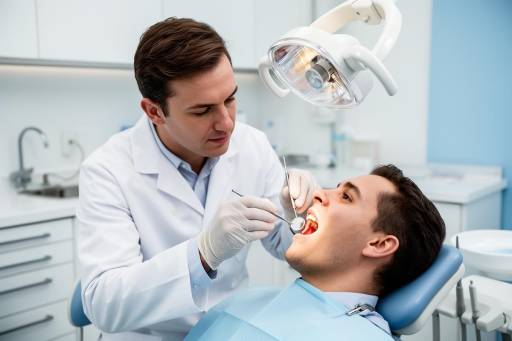
During your visit, the dentist will examine the affected tooth to assess the extent of damage. This may involve cleaning the cavity to remove debris and bacteria, taking X-rays to check for underlying issues like decay beneath the filling site or damage to the tooth root, and discussing the best options for restoring the tooth.
Understanding the urgency and the treatment process can help reduce anxiety about dental care. Early intervention often allows for simpler, more conservative treatments, which improves outcomes and helps preserve your natural tooth structure.
Preventing Future Dental Filling Issues
Maintaining excellent oral hygiene is crucial to minimize the risk of fillings falling out again. This includes brushing twice daily with fluoride toothpaste and flossing regularly to remove plaque and food particles from between teeth and around fillings. Consistent oral care helps prevent decay around the edges of fillings, which is a common cause of failure.
It is also important to avoid chewing hard foods such as nuts, hard candies, or ice, as well as non-food items like pens or fingernails. These habits can place excessive stress on dental restorations, causing them to crack or become dislodged.
If you grind or clench your teeth, especially at night, consult your dentist about using a custom-fitted night guard. This device cushions your teeth and dental work, reducing wear and the chance of fillings breaking loose.
Regular dental checkups every six months allow your dentist to monitor the condition of your fillings. Early detection of wear, cracks, or decay enables timely polishing or repairs, extending the lifespan of your restorations.
By staying proactive with your oral care routine and dental visits, you can support the longevity of your fillings and overall dental health, helping you avoid the discomfort and expense of replacing lost fillings.
Options for Replacing a Lost Dental Filling
Replacing a lost filling depends on several factors, including the size and condition of the cavity, the health of the surrounding tooth structure, and your personal preferences.
Your dentist may recommend different materials for the replacement filling based on these considerations. Composite resin fillings are popular because they closely match the natural color of your teeth and provide good durability for small to moderate cavities. Amalgam fillings, made from a metal alloy, are known for their strength and affordability but are more noticeable due to their silver color.
For patients seeking longer-lasting and highly aesthetic options, gold and ceramic fillings may be suggested. These materials offer excellent durability and a natural appearance but tend to be more costly and may require additional dental visits for fabrication.
In cases where the damage to the tooth is extensive or the cavity is too large for a traditional filling, your dentist might recommend alternative restorations such as inlays, onlays, or crowns. These options provide greater strength and protection for the tooth but involve more complex procedures.
Discussing all available options with your dentist ensures you receive a restoration that meets your functional needs, aesthetic goals, and budget considerations.
Costs and Insurance Coverage for Dental Restorations
The cost to replace a dental filling varies widely depending on several factors including the material chosen, the size and complexity of the restoration, and the geographic location of the dental practice. Composite resin fillings, which offer a tooth-colored and natural appearance, generally cost more than traditional amalgam fillings due to the materials and technique involved. Amalgam fillings are often less expensive but may be less desirable aesthetically.
More advanced materials like gold or ceramic can significantly increase the cost due to their durability, appearance, and the laboratory work required. These materials often require specialized procedures and equipment, which can add to the overall expense.
Restore Cavities, Cracks, and Damaged Teeth
Answer a few short questions and HealthNode will help you connect with the right restorative dentist for fillings or tooth repair.
Pain, Sensitivity, and Damage
This helps us understand whether you may need a simple filling, tooth restoration, root canal evaluation, or another treatment.
Previous Dental Care and Preferences
A few details help the dentist understand the best restoration option for your tooth.
Final Details
Share anything important so the dentist can better understand your case.
Contact information
Your information is only used to contact you and is never shared with third parties.
Your request has been received!
Thank you. If you have dental X-rays, photos of the damaged tooth, previous filling records, root canal records, treatment plans, or information about tooth pain or sensitivity, please keep them ready. A HealthNode consultant will guide you through the next step.
Dental insurance plans commonly cover at least a portion of the cost for filling replacement; however, the extent of coverage depends on your specific policy, annual maximums, and deductibles. It is important to verify your benefits with both your insurance provider and dental office before proceeding to understand your out-of-pocket expenses clearly.
Many dental clinics offer payment plans, financing options, or sliding scale fees to help patients manage costs and access necessary care without financial strain. Planning ahead and openly discussing financial aspects with your dental provider can help you make informed decisions and receive timely treatment while minimizing stress related to expenses.
Frequently Asked Questions
Q: How do I know if my filling has fallen out?
A: Signs include increased sensitivity, pain, a rough or sharp feeling in the tooth, or visible loss of the filling material.
Q: Is it safe to wait before seeing a dentist?
A: It's best to see a dentist promptly to prevent further damage or infection, especially if you experience pain or sensitivity.
Q: Can I temporarily fix a lost filling at home?
A: You can use over-the-counter dental cement or temporary filling material to protect the tooth until you see a dentist, but avoid using household glues.
Q: Will I need a new filling or a different procedure?
A: Depending on the extent of the damage, your dentist may replace the filling or suggest alternative restorative options.
Q: How much does it cost to replace a dental filling?
A: Costs vary based on the material used and the complexity of the procedure; your dentist can provide an estimate.
Q: Does insurance typically cover filling replacements?
A: Many dental insurance plans cover at least part of the cost for filling replacement, but coverage varies.
The information provided is for educational purposes only and does not constitute medical advice. Always consult with a healthcare professional for medical guidance specific to your situation.