Table of Contents
Can Dental Implants Cause Nerve Damage?
Dental implants have become a widely accepted and effective solution for replacing missing teeth, offering patients improved function and aesthetics. While dental implants provide many benefits, it is important to recognize that nerve damage is a potential risk associated with the implant procedure. Fortunately, this risk is generally low when the surgery is performed by experienced dental surgeons who utilize proper planning and advanced imaging techniques.
Understanding the causes, symptoms, prevention strategies, and treatment options related to nerve damage can empower patients to make informed decisions and feel confident about their dental care. Dental implant surgery involves placing a titanium post into the jawbone to act as an artificial tooth root. Because the jaw contains important nerves, particularly in the lower jaw, there is a chance these nerves could be affected during surgery.
However, modern surgical techniques and careful assessment of your jaw anatomy significantly reduce the likelihood of nerve injury. Patients should be aware of what to expect before, during, and after the procedure, including how to recognize symptoms that may indicate nerve involvement. Early recognition and prompt management of nerve damage are crucial to improving outcomes and minimizing long-term complications.
Find Out If Dental Implants Are Right for You
Answer a few short questions and HealthNode will help you connect with the right dental implant specialist.
Your Main Goal
This helps us understand which implant option may be most relevant for you.
Dental Health and Previous Tests
A few details help us understand whether you may need imaging, bone grafting, gum treatment, or implant planning.
Health and Healing Factors
These details help the specialist understand any factors that may affect implant healing.
Contact information
Your information is only used to contact you and is never shared with third parties.
Your request has been received!
Thank you. If you have dental X-rays, panoramic X-ray, CBCT scan, treatment plan, tooth extraction notes, gum disease records, or previous implant records, please keep them ready. A HealthNode consultant will guide you through the next step.
Being informed about these aspects helps patients actively participate in their care, communicate effectively with their dental team, and ensures that any issues are addressed in a timely manner for optimal recovery and satisfaction.
Dental Implants: Procedure, Benefits, and What to Expect
Dental implants are a durable and natural-feeling solution for replacing missing teeth, offering both functional and aesthetic benefits. The implant itself is a titanium post surgically inserted into the jawbone beneath the gums, where it serves as an artificial tooth root. Over time, the implant undergoes a biological process called osseointegration, during which the bone grows around and integrates with the implant surface, creating a stable foundation for the replacement tooth.
This procedure is favored because it restores chewing ability and improves the appearance of the smile without compromising adjacent healthy teeth, unlike traditional dental bridges that require grinding down neighboring teeth for support. The dental implant procedure typically involves several stages, beginning with an initial consultation and diagnostic imaging to evaluate bone quality and anatomical structures.
The surgical placement of the implant is usually performed under local anesthesia, sometimes combined with sedation to enhance patient comfort. Precision during surgery is essential to avoid vital structures such as nerves and sinuses. After implant placement, a healing period of several months allows osseointegration to occur before attaching the dental crown, bridge, or denture.
With proper planning, technique, and experienced surgeons, dental implants have a high success rate and offer long-term durability. They are considered a preferred choice for tooth replacement because they provide a natural look and feel, preserve jawbone health, and improve overall oral function. Patients should be informed about the entire process, potential risks, and maintenance requirements to ensure the best possible outcomes.
How Nerve Damage Can Occur During Implant Surgery
Nerve injury during dental implant surgery most commonly involves the inferior alveolar nerve, which runs through the lower jaw (mandible). This nerve is responsible for providing sensation to the lower lip, chin, and teeth on the affected side. Damage to this nerve can result in numbness, tingling, or pain in these areas, significantly impacting a patient’s quality of life.
Nerve damage can occur if the dental implant is placed too close to or directly into the nerve canal. This risk is heightened when anatomical variations, such as a shallow mandibular bone or an unusually positioned nerve, are not adequately assessed before surgery. In some cases, excessive pressure during drilling or trauma from surgical instruments can also injure the nerve.
Additional factors that increase the risk of nerve injury include insufficient preoperative imaging, lack of surgical experience, and the presence of complex jaw anatomy. For example, patients with resorbed bone or previous surgeries may present challenges that require careful planning and expertise.
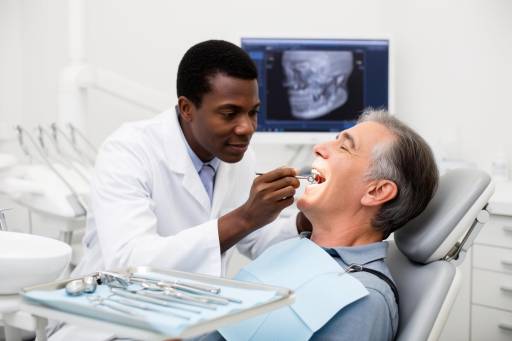
To mitigate these risks, surgeons employ advanced imaging techniques like cone beam computed tomography (CBCT) to obtain detailed maps of nerve locations and surrounding bone structure. This allows for precise planning of implant placement to avoid nerve injury. Understanding your jaw anatomy and the potential surgical risks enables your dental team to choose the safest and most effective approach for your implant procedure.
Patients should also be informed about these risks and the steps taken to minimize them so they can make well-informed decisions regarding their dental care.
Signs and Symptoms of Nerve Damage After Dental Implants
After dental implant surgery, some patients may experience symptoms that suggest possible nerve damage. The most common signs include numbness or a loss of sensation in areas such as the lower lip, chin, gums, or tongue. This numbness may be partial or complete and can affect one or both sides, depending on the nerve involved. Additionally, patients might notice tingling, burning, or a pins-and-needles sensation, which are indicative of nerve irritation or injury.
Persistent pain or discomfort beyond the expected healing period is another important symptom to watch for. This pain may be sharp, shooting, or burning in nature and can interfere with daily activities such as eating, speaking, or smiling. Some individuals may experience altered taste sensations or difficulty articulating words if the nerves responsible for these functions are affected.
It is essential to recognize that some mild nerve-related symptoms immediately after surgery may resolve on their own as healing progresses. However, if symptoms persist, worsen, or significantly impact quality of life, prompt evaluation by your dental surgeon is crucial. Early assessment allows for timely intervention, which can improve recovery outcomes and reduce the risk of permanent nerve injury.
Being aware of these signs and symptoms empowers patients to advocate for their health and seek appropriate care without delay. Open communication with your dental care team about any unusual sensations or changes following implant surgery is vital for effective management and optimal recovery.
Common Symptoms of Nerve Damage After Dental Implant Surgery:
- Numbness or loss of sensation in the lower lip, chin, gums, or tongue
- Tingling, burning, or pins-and-needles sensations
- Persistent sharp, shooting, or burning pain
- Altered taste sensations
- Difficulty speaking or articulating words
If you experience any of these symptoms beyond the expected healing period, consult your dental surgeon promptly for evaluation and care.
Preventing and Minimizing Nerve Injury Risks
Preventing nerve damage during dental implant surgery begins with a thorough pre-surgical assessment. Advanced imaging technologies, such as cone beam computed tomography (CBCT) scans, provide detailed three-dimensional views of the jawbone and the precise location of nerve pathways. This information is essential for accurate surgical planning and helps identify anatomical variations that could increase the risk of nerve injury.
Experienced surgeons adhere to established best practices, including careful measurement of bone height and depth relative to the nerves. They meticulously plan implant placement to maintain a safe distance from critical nerve structures. The use of guided surgical techniques, often supported by computer-generated surgical guides, enables precise and controlled implant insertion, minimizing the chance of accidental nerve trauma.
Recent advances in digital planning and 3D printing have further enhanced the ability to create customized surgical guides tailored to each patient’s unique anatomy. These guides help ensure that implants are positioned accurately according to the preoperative plan, reducing variability and improving safety.
Open and honest communication between the patient and dental team is also vital. Providing a complete medical and dental history, including any prior nerve injuries or conditions, allows the surgeon to develop a treatment plan that prioritizes safety. Patients should feel comfortable discussing concerns and asking questions about the procedure and potential risks.
Collectively, these strategies, comprehensive imaging, meticulous planning, advanced surgical techniques, and clear communication, work together to reduce the likelihood of nerve injury and enhance the overall success of dental implant surgery.
Treatment Options and Recovery for Nerve Damage
If nerve damage occurs during dental implant surgery, the treatment approach depends largely on the severity of the injury and how quickly it is diagnosed. Mild nerve injuries may improve with conservative management, which often includes medications designed to alleviate nerve pain, such as anticonvulsants or antidepressants, as well as anti-inflammatory drugs to reduce swelling and promote healing. In these cases, patients might be advised to monitor symptoms closely while following a medication regimen and attending follow-up appointments to track progress.
More significant nerve injuries, such as complete nerve transection or compression, might require surgical intervention. Surgical options can include nerve repair, grafting, or decompression procedures to relieve pressure on the nerve and facilitate regeneration. The timing of surgical treatment is critical; early detection and prompt surgical management can significantly enhance the chances of nerve recovery and reduce the risk of permanent sensory deficits.
Recovery timelines after nerve injury vary widely among patients. Some individuals may notice improvement within weeks, while others might require several months or even longer periods of therapy to regain sensation or reduce discomfort. Adjunctive therapies such as physical therapy, including specific exercises to stimulate nerve function, and nerve stimulation techniques like transcutaneous electrical nerve stimulation (TENS) can support the healing process and improve functional outcomes.
It is important for patients to have realistic expectations about recovery, as nerve healing is often gradual and may not always result in complete restoration of normal sensation. Consulting with a dental specialist who has experience managing nerve injuries ensures that treatment is tailored to the individual’s specific condition, maximizing the potential for recovery and minimizing long-term complications. Ongoing communication with your healthcare provider about any changes in symptoms or concerns is essential throughout the recovery period.
Choosing a Qualified Dental Surgeon for Implant Procedures
Selecting a qualified dental surgeon is a critical step in minimizing risks such as nerve damage during dental implant procedures. It is advisable to seek clinicians who are board-certified and have undergone specialized training in oral and maxillofacial surgery or implant dentistry, as this expertise equips them with a deeper understanding of complex anatomical structures and surgical techniques.
Experience plays a significant role in ensuring safe and successful outcomes. Skilled surgeons have encountered a wide range of anatomical variations and clinical scenarios, allowing them to adapt their surgical approach to each patient’s unique needs. When evaluating potential surgeons, researching their track record, patient reviews, and complication rates can provide valuable insight into their proficiency and patient satisfaction.
Find Out If Dental Implants Are Right for You
Answer a few short questions and HealthNode will help you connect with the right dental implant specialist.
Your Main Goal
This helps us understand which implant option may be most relevant for you.
Dental Health and Previous Tests
A few details help us understand whether you may need imaging, bone grafting, gum treatment, or implant planning.
Health and Healing Factors
These details help the specialist understand any factors that may affect implant healing.
Contact information
Your information is only used to contact you and is never shared with third parties.
Your request has been received!
Thank you. If you have dental X-rays, panoramic X-ray, CBCT scan, treatment plan, tooth extraction notes, gum disease records, or previous implant records, please keep them ready. A HealthNode consultant will guide you through the next step.
Modern dental practices often utilize advanced imaging technologies such as cone beam computed tomography (CBCT) and guided surgery tools. These technologies aid in precise treatment planning and accurate implant placement, reducing the likelihood of nerve injury. A reputable dental clinic will also provide comprehensive consultations where the surgeon clearly explains the procedure, potential risks, benefits, and alternative options.
Patients should feel comfortable asking questions about the surgeon’s qualifications, experience, and the specifics of the implant procedure. Disclosing your complete medical and dental history, including any previous nerve issues or surgeries, allows the surgeon to tailor the treatment plan accordingly. Taking the time to carefully select a qualified dental surgeon is a proactive measure that contributes significantly to the safety and success of your dental implant treatment.
Frequently Asked Questions
Q: Can dental implants cause permanent nerve damage?
A: While nerve damage from dental implants is rare, it can occur and may be permanent if not properly managed. Proper surgical planning significantly reduces this risk.
Q: What are the common symptoms of nerve injury after implant surgery?
A: Symptoms may include numbness, tingling, pain, or a burning sensation in the lips, chin, or tongue.
Q: How can I reduce my risk of nerve damage during dental implant surgery?
A: Choosing an experienced surgeon, undergoing thorough pre-surgical imaging, and discussing your anatomical considerations can help minimize risks.
Q: Is nerve damage from dental implants treatable?
A: Yes, depending on the severity, nerve damage can often be treated with medication, therapy, or surgical intervention.
Q: How long does recovery from nerve injury take?
A: Recovery time varies; some patients experience quick improvement, while others may require ongoing treatment over several months.
Q: Should I be worried about nerve damage when considering dental implants?
A: While the risk exists, it is very low when performed by qualified professionals using proper planning and technology.
The information provided is for educational purposes only and does not constitute medical advice. Always consult with a healthcare professional for medical guidance specific to your situation.