Table of Contents
Who Is a Good Candidate for Dental Implants?
Dental implants offer a reliable solution for individuals with missing teeth. Many patients seek dental implants for their natural appearance and long-lasting results. Knowing who qualifies for dental implants is vital for making informed decisions. This procedure can restore both functionality and aesthetics, enhancing overall oral health.
Determining the best candidates for dental implants involves assessing several health factors. A thorough evaluation often includes examining bone density, gum health, and existing dental conditions. Patients may find that certain issues, such as gum disease or bone loss, can impact their eligibility. Understanding these conditions is crucial for those considering dental implants for missing teeth.
Dental implant eligibility criteria can vary based on individual patient needs. Factors like age, lifestyle, and oral hygiene play essential roles in determining candidacy. Knowing these aspects can help patients prepare for consultations with dental professionals. Exploring your options is the first step toward a successful outcome with dental implants.
Get expert support for your treatment
Let our coordination team prepare a personalized plan for you.
Contact information
Your information is only used to contact you and is never shared with third parties.
Your request has been received!
Your request has been received! Our coordination team will contact you as soon as possible.
5 Vital Health Requirements for Dental Implant Success
Dental implant eligibility criteria focus on several vital health requirements. Meeting these requirements ensures the best chance for long-term implant success. Patients must consider their overall health, as it directly impacts the outcome of dental implants. A thorough evaluation is essential to determine who qualifies for this procedure.
Bone density is a critical factor in determining candidacy. Adequate bone structure supports the dental implant and provides stability. Patients with significant bone loss may require additional treatments, like bone grafting. Addressing this issue early can improve the chances of successful dental implants.
Gum health plays an equally important role in the success of implants. Healthy gums provide a strong foundation for the implant. Conditions like gum disease must be treated before proceeding with surgery. Regular dental check-ups help maintain gum health and ensure successful outcomes.
Lifestyle choices significantly influence dental implant candidacy. Smoking, for example, can hinder healing and increase complications. Maintaining good oral hygiene is crucial for long-term success. Consulting with a dental professional about these factors will provide valuable insights. Assessing your health requirements carefully sets the stage for successful dental implants.
How Age and Lifestyle Affect Good Candidates for Dental Implants
Age and lifestyle significantly impact who qualifies for dental implants. A patient’s age can influence healing and recovery times. Younger patients typically enjoy faster recovery due to better overall health. However, older patients can also be good candidates for dental implants when health conditions are managed.
Lifestyle choices play a crucial role in determining the best candidates for dental implants. Smoking, for instance, can impede healing and increase complications. Maintaining good oral hygiene is essential for long-term success. Patients committed to healthy habits generally have better outcomes with dental implants for missing teeth.
Medical history also affects how age and lifestyle influence candidacy. Certain chronic conditions, like diabetes, can complicate the healing process. Proper management of these conditions is vital for achieving successful results. Patients should discuss their health status openly with dental professionals to ensure candidacy.
Being a good candidate for dental implants involves evaluating age and lifestyle factors. Patients should assess their habits and health before seeking implants. Consulting with a dental expert will clarify eligibility and necessary preparations. Taking proactive steps can lead to successful dental implants and improved quality of life.
Top 4 Dental Conditions That Influence Implant Candidacy
Top dental conditions significantly influence implant candidacy. Patients must be aware of how these issues affect dental implant eligibility criteria. Certain conditions can hinder the integration of implants into the jawbone. Addressing these dental conditions is crucial for successful outcomes with dental implants for missing teeth.
Gum disease is a leading factor affecting candidacy for dental implants. Inflammation and infection can weaken gum tissue, preventing proper healing. Patients with untreated gum disease may require additional treatment before proceeding. Proper management of gum health is essential to ensure a solid foundation for implants.
Bone loss is another critical condition impacting implant success. Insufficient bone density can compromise the stability of dental implants. Patients may need bone grafts to rebuild lost bone before surgery. Evaluating bone health is vital for determining who qualifies for dental implants.
Oral infections can also disqualify patients from receiving implants. Active infections must be treated prior to any implant procedures. Failing to address these infections can result in implant failure. Patients should discuss their dental history with professionals to identify potential issues.
Evaluating these dental conditions is crucial for successful implant procedures. Patients should prioritize dental health and seek timely treatments. Consulting with a dental expert will help identify any conditions affecting eligibility. Taking proactive steps can lead to successful dental implants and improved oral health.
Essential Steps: How to Assess Your Dental Implant Eligibility
Assessing your dental implant eligibility involves essential steps. This process ensures you meet the requirements for successful dental implants. A thorough evaluation can highlight any potential issues. Addressing these factors early improves your chances for successful dental treatment.
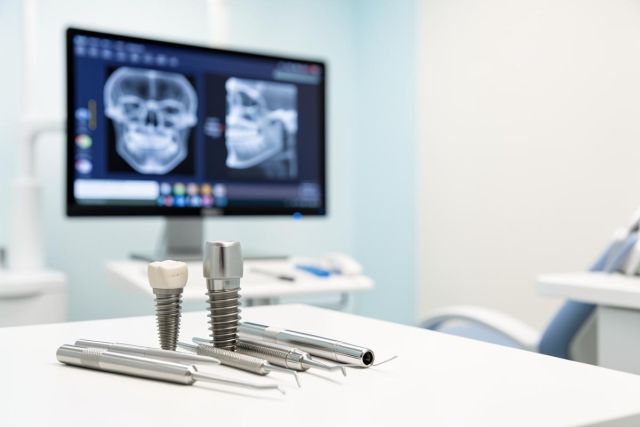
The first step in the dental implant assessment involves a comprehensive dental exam for implants. During this exam, a dentist will evaluate your oral health and review your medical history. X-rays may be taken to assess bone density and gum condition. These diagnostic tools help identify whether you meet dental implant eligibility criteria.
Next, discussing your lifestyle choices is crucial. Your habits, such as smoking or oral hygiene practices, can impact candidacy. Dentists may provide guidance on improving these factors. Committing to healthier choices can lead to better outcomes with affordable dental implants near me.
Ultimately, you should consult a dental professional for personalized advice. They can guide you through the dental implant assessment steps tailored to your needs. Understanding your unique situation will help determine the best course of action. Taking these steps can pave the way for successful dental implants and improved oral health.
Get expert support for your treatment
Let our coordination team prepare a personalized plan for you.
Contact information
Your information is only used to contact you and is never shared with third parties.
Your request has been received!
Your request has been received! Our coordination team will contact you as soon as possible.
Overcoming Barriers: Options for Challenging Dental Implant Cases
Overcoming barriers in challenging dental implant cases is essential for success. Certain conditions can complicate the process of receiving dental implants for missing teeth. Factors such as bone loss or gum disease can make candidacy difficult. Fortunately, various dental implant solutions exist to help patients achieve their desired outcomes.
Bone grafts for implants are a common solution for patients with insufficient bone density. This procedure involves transplanting bone tissue to rebuild the jaw. Grafting enhances the foundation for dental implants, allowing for better integration. Many patients find this option effective in overcoming barriers to implant candidacy.
Another approach involves using advanced dental technologies. Techniques like sinus lifts can help patients with upper jaw issues. These procedures can create the necessary space for successful implant placement. Patients should consult with their dental professional to explore these innovative solutions.
Taking proactive steps can lead to successful outcomes in challenging cases. Discuss your specific situation with a dental expert to find the best options. Exploring solutions such as bone grafts or advanced techniques can significantly enhance your candidacy. Taking these measures will set you on the path to achieving your dental health goals.
Frequently Asked Questions
Q: What are the dental implant eligibility criteria?
A: Dental implant eligibility criteria include overall health and bone density. Candidates must have healthy gums for successful implants. A thorough dental exam will assess your situation. Discuss any medical conditions with your dentist for clarity.
Q: How do I know if I am a good candidate for dental implants?
A: A good candidate for dental implants has stable health and good oral hygiene. Sufficient bone density is necessary to support the implants. Your dentist will evaluate your dental health through exams and imaging. Open communication about your health history is essential.
Q: When should I consider dental implants for missing teeth?
A: Consider dental implants for missing teeth when other options fail. They provide a permanent solution for tooth loss. Implants can improve your oral function and aesthetics. A dentist can help determine the right timing for your situation.
Q: Is age a factor in who qualifies for dental implants?
A: Age can impact who qualifies for dental implants. Older adults may have unique health considerations. However, age alone does not disqualify candidates. A personalized assessment is key to determining eligibility.
Q: Can I find affordable dental implants near me?
A: Affordable dental implants near me can be found with research. Many clinics offer payment plans or financing options. Comparing local providers will help identify cost-effective solutions. Always ensure quality care when seeking affordability.
The information provided is for educational purposes only and does not constitute medical advice. Always consult with a healthcare professional for medical guidance specific to your situation.