Quick Answer
Cosmetic dental priorities are identified through a personalized process involving patient goal discussions, detailed dental examinations, imaging studies, and balancing aesthetic desires with functional needs to create a tailored treatment plan.
- Dentists begin by discussing the patient's cosmetic goals and expectations to understand desired esthetic outcomes.
- Comprehensive dental examinations and imaging reveal oral health issues that may affect cosmetic treatment options.
- Functional dental concerns like bite problems must be addressed alongside aesthetic improvements for lasting results.
- Patient lifestyle, preferences, and budget are important factors in shaping practical and sustainable treatment plans.
- Collaborative decision-making between patient and dentist ensures alignment of expectations with clinical recommendations.
- Diagnostic tools such as digital X-rays and 3D scans provide detailed insights into dental structures for accurate prioritization.
- The process aims to balance beauty and oral wellness, enhancing both smile appearance and overall oral health.
How Are Cosmetic Dental Priorities Identified?
Cosmetic dental priorities are identified through a careful, personalized process in which dental professionals assess your individual goals, oral health status, and functional needs. This comprehensive approach ensures that treatments align closely with what you want to achieve aesthetically while simultaneously addressing any underlying dental issues that could affect the success and longevity of your results.
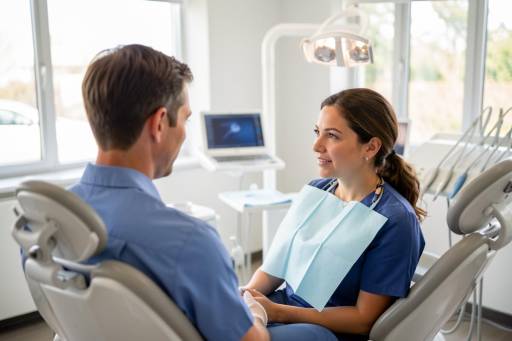
Before any procedure is undertaken, your dentist will engage in a detailed discussion about your cosmetic dental goals and expectations. This conversation helps clarify which esthetic outcomes are most important to you and allows your dentist to understand your motivations and concerns. Alongside this, clinical examinations and imaging studies provide a detailed and accurate picture of your dental health, revealing conditions such as decay, gum disease, or bite problems that may need to be managed before cosmetic enhancements can be safely performed.
Balancing aesthetic desires with functional needs is a cornerstone of effective cosmetic dental care, as it promotes both beauty and oral wellness. Additionally, your lifestyle and personal preferences are carefully considered to create a treatment plan that is uniquely tailored to you. By collaborating closely with your dentist throughout this process, you can set realistic priorities that enhance not only your smile but also your overall oral health and quality of life.
Find the Right Cosmetic Dental Treatment for Your Smile
Answer a few short questions and HealthNode will help you connect with the right cosmetic dentist or smile design specialist.
Current Teeth and Treatment Interest
This helps us understand whether whitening, bonding, veneers, aligners, crowns, or a smile makeover may be more suitable.
Dental Health Check
A few details help the dentist understand whether any dental treatment may be needed before cosmetic work.
Contact information
Your information is only used to contact you and is never shared with third parties.
Your request has been received!
Thank you. If you have recent dental photos, dental X-rays, smile design plans, previous whitening, veneer, bonding, crown, or orthodontic records, please keep them ready. A HealthNode consultant will guide you through the next step.
Defining Your Cosmetic Dental Goals: What Patients Aim to Achieve
Your cosmetic dental priorities begin with a clear understanding of your personal goals and expectations for your smile. During the initial consultation, dentists typically ask detailed questions about the specific changes you hope to achieve, such as whiter teeth, closing gaps between teeth, reshaping uneven edges, or correcting discoloration. This dialogue is essential to establish clear and realistic cosmetic dental goals that reflect your unique vision.
Your expectations regarding esthetic outcomes help guide the selection of the most suitable treatments; for example, some patients may prefer a natural, subtle enhancement, while others seek a more dramatic transformation. Being open and honest about your preferences enables your dental team to tailor treatment options that align closely with your desires.
This goal-setting phase also provides an opportunity for your dentist to educate you about what is achievable given your current oral health status, including any limitations posed by existing dental conditions. Together, you and your dentist create a plan that balances your aesthetic aspirations with realistic outcomes, focusing on improvements that will enhance your confidence, oral function, and overall satisfaction with your smile.
The Role of Dental Examination and Imaging in Prioritizing Treatments
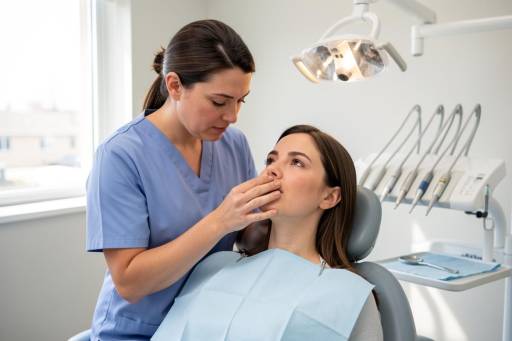
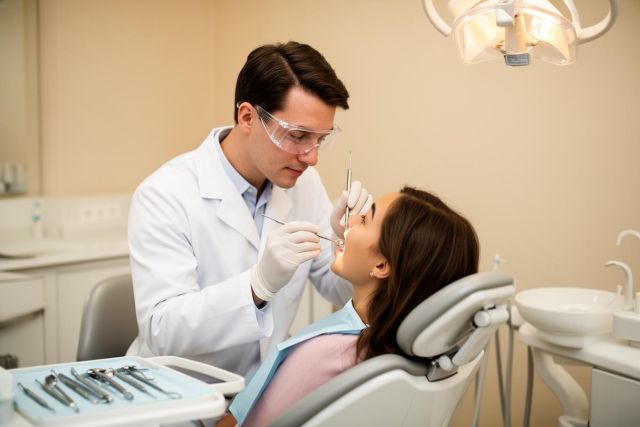
A thorough dental examination is fundamental to accurately identifying priorities for cosmetic treatment. During this comprehensive assessment, your dentist evaluates the condition of your teeth, gums, bite alignment, and overall oral health to detect any issues that may influence or limit cosmetic procedures.
This includes checking for tooth decay, gum disease, structural weaknesses, or functional problems that require attention before cosmetic enhancements can be safely performed. Imaging techniques such as digital X-rays, intraoral photographs, and sometimes advanced 3D scans provide detailed visuals of your dental structures.
These diagnostic tools allow your dentist to assess tooth alignment, bone density, root health, and any hidden problems that are not visible during a clinical exam. By integrating findings from the physical examination and imaging data, your dentist can develop a comprehensive and personalized treatment plan.
This plan prioritizes interventions based on both your cosmetic desires and necessary dental health improvements, ensuring that procedures are safe, effective, and tailored to your unique needs. Such a methodical approach helps prevent complications and supports long-lasting, satisfying results.
Assessing Functional vs. Aesthetic Needs in Cosmetic Dentistry
Identifying cosmetic dental priorities involves carefully balancing your aesthetic desires with essential functional needs. Many patients seek to improve the appearance of their smile, but it is equally important to address underlying issues that affect oral health and the success of cosmetic treatments.
Functional concerns such as bite problems, tooth wear, or jaw discomfort can impact both your oral health and the longevity of cosmetic procedures. These issues often require correction before or alongside cosmetic treatments to ensure the best possible outcomes.
For example, if you have misaligned teeth or an improper bite, orthodontic treatment may be necessary before placing veneers or crowns. Your dentist will evaluate how your teeth function during chewing and speaking, as this assessment guides the choice and timing of treatments.
By prioritizing functional health alongside aesthetic improvements, your dental care takes a holistic approach. This strategy supports both the beauty of your smile and your overall oral wellness, helping to prevent future complications and ensuring that cosmetic enhancements are both attractive and sustainable over time.
Patient Lifestyle and Personal Preferences in Treatment Planning
Your lifestyle and personal preferences play a crucial role in shaping your cosmetic dental priorities and treatment planning. Factors such as your daily routine, dietary habits, occupation, and social activities influence which dental treatments are practical and sustainable for you.
For instance, if you have a busy schedule, you might prefer procedures that require shorter treatment times or less maintenance afterward. Budget considerations also significantly impact the scope and timing of your dental care. Open discussions about your financial preferences enable your dentist to tailor treatment plans that fit your resources without compromising quality or safety.
Your tolerance for treatment duration, the frequency of dental visits, and your commitment to maintaining oral hygiene routines also guide the selection and sequencing of procedures. Your aesthetic style preferences are considered as well to ensure your smile reflects your personality and confidence.
Ultimately, personalized care is about integrating dental solutions seamlessly into your life. This approach helps you feel comfortable, empowered, and satisfied throughout your smile journey.
Collaborative Decision-Making: Aligning Patient Expectations with Clinical Recommendations
Effective cosmetic dental planning is a collaborative process between you and your dentist. Open and honest communication is essential to ensure that your expectations are fully understood and aligned with clinical recommendations.
This alignment is important because your oral health status and the available treatment options can significantly influence what is achievable. Your dentist will explain the benefits, potential risks, and limitations of various procedures, often providing evidence-based information to help you make well-informed decisions.
This ongoing dialogue helps manage expectations realistically, preventing misunderstandings and dissatisfaction with outcomes. Together, you and your dentist prioritize treatments that enhance both esthetic appeal and functional aspects such as bite alignment and oral hygiene.
Shared decision-making empowers you to actively participate in your care. It allows you to choose options that best suit your individual needs, lifestyle, and comfort level, fostering trust and satisfaction throughout your treatment journey.
Ultimately, this collaborative approach ensures that your goals are respected and your well-being remains the primary focus.
Find the Right Cosmetic Dental Treatment for Your Smile
Answer a few short questions and HealthNode will help you connect with the right cosmetic dentist or smile design specialist.
Current Teeth and Treatment Interest
This helps us understand whether whitening, bonding, veneers, aligners, crowns, or a smile makeover may be more suitable.
Dental Health Check
A few details help the dentist understand whether any dental treatment may be needed before cosmetic work.
Contact information
Your information is only used to contact you and is never shared with third parties.
Your request has been received!
Thank you. If you have recent dental photos, dental X-rays, smile design plans, previous whitening, veneer, bonding, crown, or orthodontic records, please keep them ready. A HealthNode consultant will guide you through the next step.
Frequently Asked Questions
Q: How do dentists determine my cosmetic dental priorities?
A: Dentists assess your cosmetic priorities by discussing your esthetic goals, performing detailed dental examinations, and reviewing imaging results. They balance your desires with functional needs and oral health status to create a personalized treatment plan.
Q: What role does dental imaging play in treatment planning?
A: Dental imaging provides detailed views of teeth, bone, and soft tissues that help identify problems not visible in a regular exam. This information guides dentists in prioritizing treatments that improve both appearance and dental health safely.
Q: Can functional dental issues affect my cosmetic treatment options?
A: Yes, functional issues like bite misalignment or tooth wear often need correction before cosmetic procedures to ensure lasting results. Addressing these needs helps maintain your smile’s health and appearance over time.
Q: How important is my lifestyle in choosing cosmetic dental treatments?
A: Your lifestyle influences the choice and timing of treatments, including maintenance and durability considerations. Sharing your daily habits and preferences with your dentist helps tailor a plan that fits your life comfortably.
Q: What if my cosmetic expectations differ from clinical recommendations?
A: Open communication and shared decision-making help reconcile differences between your expectations and clinical advice. Dentists aim to set realistic goals and offer alternatives that satisfy your desires while maintaining oral health.
The information provided is for educational purposes only and does not constitute medical advice. Always consult with a healthcare professional for medical guidance specific to your situation.