How Is Cosmetic Dental Treatment Planned?
Cosmetic dental treatment planning is a careful, multi-step process that begins with understanding your individual smile goals and oral health status. It involves a thorough assessment by dental professionals, including diagnostic imaging and patient consultations, to create a tailored plan that balances aesthetics, function, and long-term oral health. This planning ensures that the procedures chosen are safe, effective, and aligned with what you want to achieve, providing a roadmap for a successful smile transformation.
Proper treatment planning is essential because cosmetic dentistry encompasses a variety of procedures such as veneers, teeth whitening, bonding, crowns, and implants. Each procedure has its own considerations regarding technique, healing time, and maintenance, and combining them requires expert coordination to achieve harmonious results. The dental team collaborates closely with you to design a smile makeover that suits your facial features, dental condition, and lifestyle, taking into account factors like bite function, oral hygiene habits, and aesthetic preferences.
This approach helps you feel confident and informed about your treatment journey. Understanding the planning process empowers you to participate actively in decisions, set realistic expectations, and prepare for the steps involved in your cosmetic dental enhancement. Ultimately, comprehensive planning lays the foundation for a beautiful, healthy smile that enhances your appearance and quality of life.
Find the Right Cosmetic Dental Treatment for Your Smile
Answer a few short questions and HealthNode will help you connect with the right cosmetic dentist or smile design specialist.
Current Teeth and Treatment Interest
This helps us understand whether whitening, bonding, veneers, aligners, crowns, or a smile makeover may be more suitable.
Dental Health Check
A few details help the dentist understand whether any dental treatment may be needed before cosmetic work.
Contact information
Your information is only used to contact you and is never shared with third parties.
Your request has been received!
Thank you. If you have recent dental photos, dental X-rays, smile design plans, previous whitening, veneer, bonding, crown, or orthodontic records, please keep them ready. A HealthNode consultant will guide you through the next step.
Essential Insights into Cosmetic Dental Treatment Planning
Cosmetic dental treatment planning starts with defining your aesthetic and functional goals. Whether you want to brighten your smile, correct misaligned teeth, or replace missing teeth, the planning process ensures the chosen treatments meet your needs safely and effectively. The dental team typically includes a cosmetic dentist, dental hygienists, and technicians who collaborate to develop your treatment roadmap, combining their expertise to create a cohesive plan.
Common cosmetic dental procedures involved in treatment planning include veneers, bonding, whitening, crowns, and implants. These may be used alone or in combination depending on your oral health and desired outcome. For example, veneers can improve tooth shape and color, while implants replace missing teeth to restore function and appearance. Your treatment plan balances improving appearance with maintaining or enhancing oral function and health, ensuring that cosmetic improvements do not compromise bite or periodontal stability.
The planning phase is key to preventing complications and achieving long-lasting results. It involves evaluating your current dental condition, identifying any underlying issues like gum disease or decay, and determining the best sequence of procedures. This ensures your cosmetic improvements are sustainable and harmonious with your overall oral health. Additionally, the plan considers patient-specific factors such as age, habits, and expectations to tailor treatments that fit your lifestyle and promote long-term satisfaction.
Initial Consultation and Assessment: Setting the Foundation
Your first cosmetic dental consultation is a critical foundation for successful treatment planning. The dentist begins by gathering a comprehensive patient history, including your dental and medical background, to identify any factors that could impact treatment safety or outcomes. This includes previous dental work, allergies to materials or medications, systemic health conditions such as diabetes or autoimmune disorders, and lifestyle factors like smoking that may affect healing.
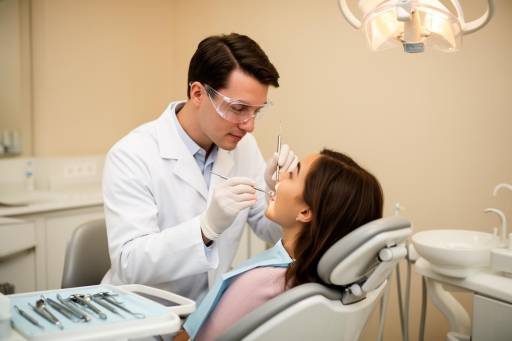
A thorough oral examination follows, assessing the condition of your teeth, gum health, bite alignment, and jaw function. This physical evaluation helps identify issues such as tooth decay, gum disease, or malocclusion that could influence cosmetic treatment choices. Diagnostic imaging such as digital X-rays or 3D scans provides detailed insight into bone structure, tooth roots, and hidden dental problems. These tools assist the dentist in pinpointing concerns that might affect cosmetic procedures and in planning appropriate interventions, as supported by clinical guidelines and peer-reviewed studies (PMC3467905, PMC9305134).
During this visit, your aesthetic desires and concerns are discussed openly. This dialogue allows the dentist to understand your expectations and priorities, such as whether you want a whiter smile, straighter teeth, or restoration of missing teeth. By combining clinical findings with your personal goals, the dentist lays the groundwork for a customized and safe cosmetic plan that balances beauty with oral health.
This initial consultation also provides an opportunity to discuss potential treatment options, timelines, costs, and any questions you may have, ensuring you feel informed and comfortable as you embark on your cosmetic dental journey.
Designing a Customized Treatment Plan: From Smile Goals to Technical Details
Creating a customized cosmetic dental treatment plan involves translating your smile goals into a precise, clinical roadmap that addresses both aesthetic desires and functional needs. The dentist integrates your preferences regarding tooth shape, color, alignment, and overall smile harmony with a thorough assessment of your oral health status, including gum condition, bite function, and any existing dental restorations.
Digital smile design technology plays a vital role in this process by using computer imaging and 3D modeling to simulate potential treatment outcomes before any procedure is done. This visual preview empowers you to make informed decisions and adjust goals if needed, ensuring satisfaction with the final result. Seeing a realistic representation of your post-treatment smile helps set clear expectations and fosters collaboration between you and your dental team.
The treatment plan details the sequence of procedures, materials to be used, and timelines, providing a structured approach that minimizes risks and maximizes efficiency. It also considers any preparatory treatments required, such as gum therapy to reduce inflammation or cavity fillings to eliminate decay, optimizing your oral environment for cosmetic work. Additionally, the plan may include maintenance strategies to preserve results.
This personalized approach ensures your smile makeover is not only beautiful but also healthy and functional. By tailoring the plan to your unique needs and circumstances, the dental team supports outcomes that enhance your confidence while maintaining long-term oral wellness.
Discussing Options and Setting Expectations with Patients
Clear communication about treatment options, risks, costs, and expected outcomes is fundamental to patient-centered cosmetic dental care. Your dentist will explain various procedures suitable for your case, outlining the benefits and limitations of each option to help you make an informed choice. For example, while veneers can dramatically improve tooth appearance, they may require enamel removal, whereas whitening is less invasive but may not address shape or alignment issues.
Discussing potential risks and complications helps you understand what to watch for during and after treatment. This transparency fosters trust and allows you to weigh the pros and cons of different approaches. Possible risks might include tooth sensitivity, gum irritation, or the need for future repairs. Understanding these factors enables you to prepare mentally and physically for the treatment process.
Cost considerations are also addressed openly to help you plan financially and avoid surprises. Your dentist will provide estimates for procedures and discuss payment options or insurance coverage if applicable. Setting realistic expectations about the timeline and results ensures you feel confident and prepared throughout your treatment journey, reducing anxiety and promoting satisfaction.
This dialogue encourages shared decision-making, aligning your desires with clinical judgment for optimal outcomes. By actively participating in discussions, you can express your priorities and concerns, leading to a treatment plan that balances your aesthetic goals with practical considerations.
Pre-Treatment Preparation and Scheduling
Before beginning cosmetic dental procedures, certain preparatory steps help ensure your safety and readiness for treatment. Your dentist will provide clear pre-procedure instructions tailored to your specific plan, which may include enhanced oral hygiene protocols to reduce bacteria, dietary guidelines to avoid foods that could irritate or stain teeth, and medication adjustments if you are taking drugs that affect healing or bleeding. Understanding and following these instructions helps optimize treatment outcomes and minimize risks.
Scheduling is carefully coordinated to fit your availability while respecting the clinical sequence required for the best results. Many cosmetic treatments require multiple visits spaced over weeks or months to allow proper healing and precise adjustments. For example, veneers may require initial tooth preparation, impressions, and final bonding appointments. Clear communication about the timeline helps you plan accordingly and reduces stress.
If necessary, preparatory procedures such as deep cleaning (scaling and root planing) or restorative work like fillings or root canals are completed first to create a healthy foundation for cosmetic enhancements. Addressing underlying dental issues before cosmetic work minimizes complications and supports the long-term success of your smile makeover. Being well-prepared through these steps helps you start your treatment with confidence, clear expectations, and a solid oral health base that promotes optimal healing and aesthetic results.
Post-Treatment Follow-up and Maintenance Planning
After completing cosmetic dental treatment, follow-up visits are crucial to monitor healing, address any concerns, and fine-tune results. Your dentist will schedule check-ups to assess the stability and aesthetics of your smile makeover, ensuring that the outcomes meet both clinical standards and your personal satisfaction. These visits also provide an opportunity to detect any early signs of complications such as sensitivity, irritation, or improper fit of restorations. During follow-up, adjustments may be made to improve comfort or appearance, such as polishing veneers or realigning dental appliances.
Maintenance routines tailored to your specific treatment type play a vital role in preserving your results over the long term. This may include professional cleanings to remove plaque and stains that can accumulate around restorations, as well as detailed at-home oral care instructions focusing on brushing techniques, flossing, and the use of recommended dental products. Additionally, lifestyle recommendations such as avoiding certain foods or habits that can cause staining or damage, like smoking or excessive consumption of acidic beverages, are often provided.
Patient compliance with follow-up appointments and maintenance protocols is essential to avoid complications such as staining, wear, or damage to cosmetic work. Consistent care helps maintain both the health and beauty of your teeth, preventing issues that could compromise your investment. Ongoing care supports the longevity of your cosmetic dentistry, ensuring that your enhanced smile continues to boost your confidence and oral function for years to come.
Frequently Asked Questions
Q: How long does the planning process for cosmetic dental treatment typically take?
Find the Right Cosmetic Dental Treatment for Your Smile
Answer a few short questions and HealthNode will help you connect with the right cosmetic dentist or smile design specialist.
Current Teeth and Treatment Interest
This helps us understand whether whitening, bonding, veneers, aligners, crowns, or a smile makeover may be more suitable.
Dental Health Check
A few details help the dentist understand whether any dental treatment may be needed before cosmetic work.
Contact information
Your information is only used to contact you and is never shared with third parties.
Your request has been received!
Thank you. If you have recent dental photos, dental X-rays, smile design plans, previous whitening, veneer, bonding, crown, or orthodontic records, please keep them ready. A HealthNode consultant will guide you through the next step.
A: The planning process can vary depending on the complexity of the case, but generally, it takes from one to a few weeks, including consultations, diagnostics, and treatment design.
Q: What factors are considered when creating a personalized treatment plan?
A: Factors include the patient's aesthetic goals, oral health status, functional needs, budget, and any previous dental work or medical conditions.
Q: Are digital tools used in treatment planning?
A: Yes, many dental practices utilize digital smile design and 3D imaging to create precise, visualized treatment plans tailored to the patient.
Q: Can I see a preview of my expected results before treatment begins?
A: Many clinics offer digital previews or mock-ups of the expected outcome to help patients visualize the results and make informed decisions.
Q: What should I prepare before my initial consultation?
A: Prepare your dental and medical history, list your aesthetic goals, and be ready to discuss any concerns or questions you have about the treatment.
Q: How important is follow-up care after cosmetic dental procedures?
A: Follow-up care is crucial to monitor healing, address any issues early, and maintain the longevity of the results.
The information provided is for educational purposes only and does not constitute medical advice. Always consult with a healthcare professional for medical guidance specific to your situation.