What Are Tooth-Colored Dental Fillings?
Explore tooth-colored dental fillings made from composite resin, their benefits, procedures, and care for a natural, durable smile.
Explore cosmetic dental treatments such as veneers, teeth whitening, dental bonding, crowns, gum contouring, orthodontics, and complete smile makeovers.

Explore tooth-colored dental fillings made from composite resin, their benefits, procedures, and care for a natural, durable smile.

Discover the main types of cosmetic dentistry procedures like teeth whitening, veneers, crowns, and bonding to enhance your smile safely and effectively.

Discover what gum contouring is, its benefits, procedure details, and cost considerations to make informed decisions about cosmetic dental care.
Get a free consultation and talk through symptoms, treatment options, and possible care paths with our coordination team.
Get Free Consultation
Explore cosmetic dental bonding as a popular smile makeover option. Learn how dental bonding works, benefits, suitability, and care tips for lasting results.

Explore what tooth reshaping is, its benefits, procedure, and care tips to enhance your smile with confidence and safety.
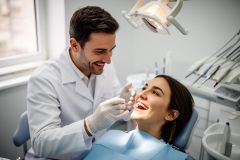
Learn what enameloplasty is, how it's performed, and its benefits for smile enhancement. Understand candidacy and safety in cosmetic dental reshaping.

Composite bonding is a minimally invasive cosmetic dental treatment that enhances your smile with natural-looking results. Learn how it works, benefits, and care tips.
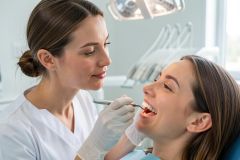
Explore dental contouring, a cosmetic dental procedure for tooth reshaping and smile enhancement, including benefits and patient considerations.
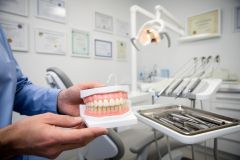
Learn what dental veneers are, their types, benefits, the procedure, and important considerations to enhance your smile safely and effectively.
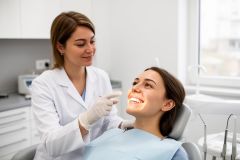
Learn about professional teeth whitening procedures, benefits, and safety to achieve a brighter smile with expert dental care.
Cosmetic dentistry includes dental treatments designed to improve the color, shape, size, position, symmetry, and overall appearance of the teeth and smile. Some cosmetic procedures focus mainly on appearance, while others also restore damaged teeth, improve bite function, or support long-term oral health.
The most appropriate cosmetic dental treatment depends on the condition of the natural teeth, gum health, bite relationship, facial proportions, treatment expectations, available time, and budget. A patient seeking a brighter smile may need only professional teeth whitening, while another patient may require veneers, crowns, orthodontic treatment, gum reshaping, or a combination of procedures.
Cosmetic dentistry should begin with a complete dental examination. Active decay, gum disease, infection, unstable teeth, or untreated bite problems should generally be addressed before elective cosmetic treatment. A visually attractive result may not remain stable when the underlying teeth and gums are unhealthy.
International patients considering cosmetic dentistry abroad should understand the differences between reversible, minimally invasive, and irreversible procedures. Whitening and some forms of dental bonding may preserve most natural tooth structure, while veneers and crowns can involve permanent enamel or tooth reduction.
Professional teeth whitening is used to lighten the natural color of teeth and reduce stains caused by coffee, tea, tobacco, red wine, aging, and other factors.
Whitening treatments may be performed in a dental clinic, at home with dentist-supervised trays, or through a combination of both methods. In-office treatment generally uses a stronger whitening gel and may produce visible changes within one appointment.
Home whitening uses custom-fitted trays and a lower concentration of whitening material. The patient wears the trays according to a prescribed schedule over several days or weeks.
Whitening works only on natural tooth structure. Veneers, crowns, bridges, implants, and fillings do not change color in the same way. Patients with visible restorations may therefore require replacement of some restorations after whitening to achieve a consistent shade.
The response to whitening depends on the cause of discoloration. Yellow and age-related stains may respond more predictably than gray, brown, trauma-related, or medication-associated discoloration.
Patients should receive a dental examination before whitening. Cavities, exposed roots, cracked teeth, enamel erosion, and gum recession can increase sensitivity or discomfort.
Dental veneers are thin restorations bonded to the front surfaces of teeth. They may improve color, shape, length, symmetry, minor spacing, and the appearance of slightly misaligned or worn teeth.
Veneers may be made from porcelain, ceramic, composite resin, or other tooth-colored materials. Porcelain and ceramic veneers are usually designed digitally or produced by a dental laboratory. Composite veneers may be applied directly by the dentist.
Traditional veneers generally require removal of a small amount of enamel. Minimal-preparation or no-preparation veneers may be possible in selected cases, but they are not suitable for every tooth or smile.
Veneers can provide a significant aesthetic change, but they do not correct active dental disease. Patients with extensive decay, severe enamel loss, major bite problems, or heavy teeth grinding may need a different treatment.
International patients should ask how much natural tooth structure will be removed, which material will be used, whether temporary veneers are included, and what happens if a veneer fractures or debonds after returning home.
Dental bonding uses tooth-colored composite resin to repair or reshape teeth. It may be used for small chips, gaps, irregular edges, mild discoloration, worn areas, or minor differences in tooth shape.
The procedure is often completed in one appointment and usually requires little or no enamel removal. The dentist applies composite material, shapes it, hardens it with a curing light, and polishes the surface.
Bonding is generally more affordable and conservative than porcelain veneers. It can also be repaired relatively easily.
However, composite resin is more likely to stain, wear, chip, or lose polish over time. Patients who smoke, consume staining drinks, grind their teeth, or bite hard objects may need more frequent maintenance.
Bonding may be appropriate for limited cosmetic corrections but may not provide the same long-term color stability or strength as ceramic restorations.
Dental crowns cover the entire visible portion of a tooth. They may be used for cosmetic improvement when a tooth is heavily damaged, discolored, fractured, worn, or structurally weakened.
Crowns may be made from zirconia, porcelain, lithium disilicate, metal-ceramic, or other restorative materials. The material is selected according to the tooth position, bite force, remaining tooth structure, and desired appearance.
Unlike veneers, crowns require preparation around several surfaces of the tooth. They should not usually be selected solely for cosmetic reasons when a less invasive treatment can provide a predictable result.
Crowns may be appropriate when teeth already contain large fillings, have undergone root canal treatment, or lack sufficient enamel for veneer bonding.
Patients should ask whether a crown is clinically necessary and how much natural tooth structure will remain after preparation.
A smile makeover is a customized combination of cosmetic and restorative dental procedures designed to improve several aspects of the smile.
Treatment may include whitening, bonding, veneers, crowns, orthodontics, gum contouring, replacement of missing teeth, and adjustment of uneven tooth edges.
Smile makeover planning considers tooth color, shape, length, alignment, gum levels, smile width, facial proportions, lip movement, and bite relationships.
A smile makeover may involve only a few conservative treatments or a more extensive rehabilitation. The term itself does not describe a single standardized procedure.
International patients should receive a written list of every proposed treatment rather than relying on a general smile makeover package. They should also understand which procedures are cosmetic, which are medically necessary, and which involve irreversible tooth preparation.
Gum contouring, also known as gum reshaping or gingival recontouring, changes the shape or position of the gum line.
It may be used when teeth appear short because of excess gum tissue, when the gum line is uneven, or when a patient has a “gummy smile.” Treatment may involve laser, electrosurgery, or conventional surgical instruments.
Limited gum contouring removes or reshapes soft tissue. Crown-lengthening procedures may involve both gum and bone removal when more tooth structure needs to be exposed.
The treatment plan should consider the position of the underlying bone, biological width, tooth roots, smile line, and gum health. Removing too much tissue can lead to recession, sensitivity, exposed roots, or an unstable gum line.
Patients may need to wait for gum healing before veneers or crowns are finalized because tissue position can change during recovery.
Tooth reshaping removes very small amounts of enamel to smooth irregular edges, correct minor shape differences, or improve symmetry.
The procedure is generally limited to small adjustments because enamel does not regenerate. Excessive removal can increase sensitivity or weaken the tooth.
Enamel contouring may be combined with bonding, whitening, or orthodontic treatment.
Before reshaping, the dentist should evaluate enamel thickness, bite contacts, cracks, and tooth position. Teeth with thin enamel or structural damage may not be suitable.
Clear aligners and other orthodontic treatments may be used to improve tooth alignment before whitening, bonding, veneers, or crowns.
Correcting alignment first can reduce the amount of tooth preparation required for cosmetic restorations. It may also improve cleaning and create a more natural final result.
Clear aligners use removable trays that gradually move teeth. Treatment usually takes several months and requires regular monitoring.
Fixed ceramic or lingual braces may provide alternatives for patients who prefer a less visible appliance.
Orthodontic treatment abroad requires careful planning because follow-up is needed over an extended period. Patients should establish how progress will be monitored and whether a local orthodontist will participate.
Dental implants can replace missing teeth and support crowns or bridges. In visible areas, treatment requires careful coordination of implant position, gum shape, bone volume, crown design, and tooth color.
A technically stable implant may still produce an unsatisfactory cosmetic result if it is positioned incorrectly or if the gum and bone are insufficient.
Patients may require bone grafting, gum grafting, temporary teeth, or customized implant components to improve the appearance.
Implant treatment usually requires several months and more than one visit. Patients considering treatment abroad should understand the complete surgical and prosthetic timeline.
Inlays and onlays are indirect restorations used to repair damaged back teeth while preserving more natural tooth structure than a full crown.
They may be made from ceramic, composite, or gold. Tooth-colored ceramic restorations can provide an aesthetic result while restoring strength and function.
These treatments are not usually visible smile-makeover procedures but may be part of comprehensive cosmetic rehabilitation when old or dark fillings are replaced.
Dark, stained, leaking, or damaged fillings may be replaced with tooth-colored composite or ceramic restorations.
Replacement should be based on clinical need and patient preference. Removing a functioning restoration can result in additional loss of natural tooth structure.
The dentist should explain whether a filling is defective, cosmetically unacceptable, or both.
Full-mouth cosmetic rehabilitation combines restorative and aesthetic treatment across many or all teeth.
It may be considered for patients with severe tooth wear, multiple damaged restorations, extensive discoloration, missing teeth, bite problems, or widespread structural damage.
Treatment can include crowns, veneers, implants, bridges, gum therapy, orthodontics, and bite reconstruction.
This approach is more complex than a routine smile makeover and should include functional evaluation of the jaw joints, chewing muscles, bite, tooth structure, and supporting tissues.
Patients should be cautious about recommendations to crown every tooth without a clear clinical explanation. Healthy teeth should be preserved whenever a less invasive option is appropriate.
The correct cosmetic treatment should address the patient’s concern while preserving as much healthy tooth structure as possible.
Whitening may be preferable when the main problem is color. Bonding may be suitable for small shape corrections. Orthodontics may be more appropriate than veneers when the primary issue is alignment.
Veneers may provide a balanced result for several visible teeth, while crowns may be needed when teeth are structurally damaged.
International patients should compare treatment philosophy, tooth preparation, material quality, clinician experience, laboratory standards, and follow-up arrangements rather than selecting a package based only on the number of teeth included.