Quick Answer
Dental veneers are thin, custom-made shells that cover the front surface of teeth to improve their appearance by enhancing color, shape, size, or length. They are made from porcelain or composite resin and are used primarily for cosmetic improvements such as masking discoloration, chips, gaps, or minor misalignments.
- Dental veneers are ultra-thin coverings applied to the front of teeth to enhance their visual appeal and mask imperfections like stains, chips, cracks, or gaps.
- There are two main types of veneers: porcelain, which are durable and stain-resistant, and composite resin, which are quicker to apply but less durable and more prone to staining.
- The veneer procedure typically involves enamel removal for porcelain veneers and bonding the custom-made shells to the teeth, while composite veneers are sculpted directly onto the teeth with minimal or no enamel removal.
- Veneers provide a natural look and can boost self-confidence but require irreversible enamel removal and long-term maintenance.
- Porcelain veneers usually last 10 to 15 years and resist staining, whereas composite veneers have a shorter lifespan and may discolor over time.
- The cost of veneers varies based on material, number of teeth, and location, with porcelain veneers generally costing more than composite ones.
- Veneers improve mild cosmetic issues but are not a substitute for orthodontic treatment in cases of significant misalignment.
What Are Dental Veneers?
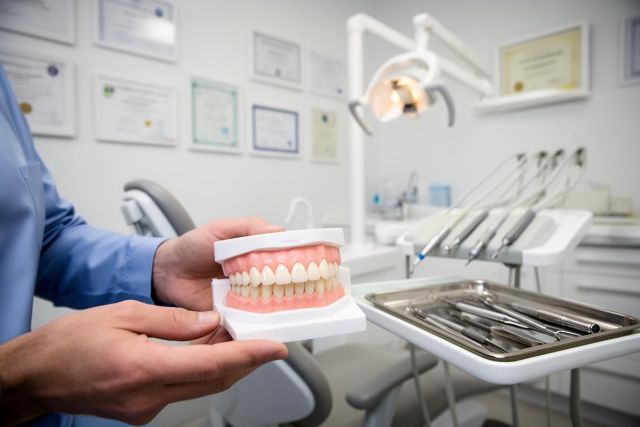
Dental veneers are thin, custom-made shells designed to cover the front surface of your teeth. They improve the appearance of teeth by enhancing color, shape, size, or length, offering a natural-looking, attractive smile. Veneers are commonly used in cosmetic dentistry to address issues like discoloration, chips, gaps, or minor misalignments.
These dental coverings are typically made from porcelain or composite resin materials, each offering distinct advantages depending on your needs and preferences. Veneers are bonded permanently to your natural teeth, providing a durable and stain-resistant solution to smile imperfections. Understanding how veneers work and what to expect can help you decide if they are the right cosmetic option for you.
People choose veneers not only to boost their confidence but also to restore damaged or worn teeth without extensive dental work. While veneers can significantly improve your smile’s aesthetics, it is important to consider the procedure, maintenance, and potential drawbacks involved before proceeding.
Find the Right Cosmetic Dental Treatment for Your Smile
Answer a few short questions and HealthNode will help you connect with the right cosmetic dentist or smile design specialist.
Current Teeth and Treatment Interest
This helps us understand whether whitening, bonding, veneers, aligners, crowns, or a smile makeover may be more suitable.
Dental Health Check
A few details help the dentist understand whether any dental treatment may be needed before cosmetic work.
Contact information
Your information is only used to contact you and is never shared with third parties.
Your request has been received!
Thank you. If you have recent dental photos, dental X-rays, smile design plans, previous whitening, veneer, bonding, crown, or orthodontic records, please keep them ready. A HealthNode consultant will guide you through the next step.
Dental Veneers Explained: What You Need to Know
Dental veneers are ultra-thin coverings applied to the front of teeth to enhance their visual appeal. These restorations mask imperfections such as stains, chips, cracks, or gaps and can also improve the shape or length of teeth. They are a popular solution in cosmetic dentistry aimed at providing a uniform and bright smile.
Typically, veneers require minimal removal of the tooth enamel to fit perfectly and adhere securely. This process helps maintain the natural tooth structure while allowing for a seamless appearance. Since veneers are custom-made, your dentist will work with you to select the shade and shape that best complements your facial features and natural teeth.
Veneers differ from crowns in that they cover only the front surface of teeth rather than the entire tooth. They are mainly used for aesthetic improvements rather than structural repair. This makes them a less invasive option for enhancing your smile while preserving much of your natural tooth.
Types of Dental Veneers: Which One Is Right for You?
There are two primary types of dental veneers: porcelain and composite resin. Porcelain veneers are known for their durability and natural appearance. They resist staining well and mimic the light-reflecting properties of natural teeth. Porcelain veneers typically require two dental visits because they are fabricated in a dental laboratory.
Composite veneers are made from a tooth-colored resin applied directly to the teeth. They can be crafted and placed in a single appointment, making them a quicker and often more affordable option. However, composite veneers may stain more easily and generally have a shorter lifespan compared to porcelain.
Choosing between these types depends on your budget, aesthetic goals, and how long you want the veneers to last. Porcelain is often favored for its longevity and lifelike appearance, while composite veneers provide a more immediate and less costly cosmetic improvement. Your dentist can help you weigh these options based on your specific dental condition and lifestyle.
The Dental Veneers Procedure: What to Expect
Getting dental veneers usually involves multiple steps starting with a thorough dental consultation. Your dentist will examine your teeth, discuss your goals, and determine if veneers are a suitable option. Impressions or digital scans of your teeth are taken to create veneers that fit perfectly.
For porcelain veneers, a small amount of enamel is gently removed from the tooth surface to allow room for the veneer. Temporary veneers may be placed while your permanent ones are fabricated. During a second visit, the permanent veneers are bonded to your teeth using a strong dental adhesive, and adjustments are made to ensure comfort and proper bite.
Composite veneers often require less or no enamel removal and are sculpted directly onto your teeth. The dentist layers and shapes the composite resin, then hardens it with a special light. This process is quicker but may require more maintenance over time.
Throughout the procedure, your dentist will focus on achieving a natural look that blends with your existing teeth and enhances your smile aesthetics.
Pros and Cons of Dental Veneers: Is It Right for You?
Dental veneers offer many benefits, including improved appearance of discolored, chipped, or misaligned teeth. They provide a natural look and can boost your self-confidence. Porcelain veneers are stain-resistant and durable, often lasting 10 to 15 years with proper care.
However, veneers also have potential drawbacks. The enamel removal process is irreversible, which means once you have veneers, you will likely need to maintain them long term. Veneers can be costly compared to other cosmetic procedures. Composite veneers, while less expensive, are more prone to staining and chipping.
Maintenance involves avoiding habits like biting hard objects and practicing good oral hygiene. Veneers do not protect against decay, so underlying teeth still require regular dental care. Considering these factors helps ensure veneers are a suitable choice for your dental health and cosmetic goals.
Cost and Considerations for Dental Veneers
The cost of dental veneers varies widely depending on the type of material, the number of teeth treated, and geographic location. Porcelain veneers generally cost more due to their durability and laboratory fabrication, while composite veneers are less expensive but may require more frequent replacement.
Additional factors influencing cost include the complexity of your case, need for preparatory dental work, and dentist’s expertise. Veneers are considered elective cosmetic procedures and are not typically covered by dental insurance plans.
Besides cost, consider how veneers fit into your lifestyle. Porcelain veneers offer lasting aesthetics but require a dental lab and multiple visits. Composite veneers provide quicker results but need more upkeep. Both options demand good oral hygiene and regular dental checkups to maximize their lifespan.
Discuss all financial and treatment considerations with your dental provider to plan effectively and choose the veneers option that best suits your needs and budget.
Frequently Asked Questions
Q: How long do dental veneers typically last?
Find the Right Cosmetic Dental Treatment for Your Smile
Answer a few short questions and HealthNode will help you connect with the right cosmetic dentist or smile design specialist.
Current Teeth and Treatment Interest
This helps us understand whether whitening, bonding, veneers, aligners, crowns, or a smile makeover may be more suitable.
Dental Health Check
A few details help the dentist understand whether any dental treatment may be needed before cosmetic work.
Contact information
Your information is only used to contact you and is never shared with third parties.
Your request has been received!
Thank you. If you have recent dental photos, dental X-rays, smile design plans, previous whitening, veneer, bonding, crown, or orthodontic records, please keep them ready. A HealthNode consultant will guide you through the next step.
A: Dental veneers can last between 10 to 15 years, depending on the material used and how well you care for them. Porcelain veneers tend to last longer than composite ones due to their durability. Regular dental visits and good oral hygiene are important to extend their lifespan.
Q: Are dental veneers reversible?
A: Getting dental veneers usually involves removing a small amount of enamel, which is irreversible. This means once you have veneers, you will likely need to maintain or replace them in the future. It is important to discuss this with your dentist before deciding on the procedure.
Q: Can veneers be whitened if they get stained?
A: Unlike natural teeth, veneers cannot be whitened with traditional bleaching treatments. Porcelain veneers resist staining well, but composite veneers may discolor over time. Maintaining proper oral hygiene and avoiding staining foods or drinks helps keep veneers looking their best.
Q: Is the veneer procedure painful?
A: Most patients experience minimal discomfort during the veneer procedure. The enamel removal is usually done under local anesthesia to reduce sensitivity. Some temporary tooth sensitivity may occur after placement but generally subsides quickly.
Q: Can dental veneers fix crooked teeth?
A: Veneers can improve the appearance of mildly crooked or misaligned teeth by reshaping the front surface. However, they are not a substitute for orthodontic treatment in cases of significant misalignment. Your dentist can advise if veneers are appropriate for your specific dental condition.
The information provided is for educational purposes only and does not constitute medical advice. Always consult with a healthcare professional for medical guidance specific to your situation.