Quick Answer
Dental contouring is a minimally invasive cosmetic dental procedure that reshapes teeth by gently removing small amounts of enamel to correct minor imperfections and enhance the smile. It is a quick, painless treatment typically done in one visit and preserves most of the natural tooth structure.
- Dental contouring improves minor dental flaws such as uneven edges, small chips, and slightly misshapen teeth by removing small amounts of enamel. The procedure is generally painless and does not require anesthesia, with immediate recovery and no downtime. It is most suitable for patients with minor imperfections rather than significant dental issues or decay. Dental contouring is often combined with other cosmetic treatments like whitening or bonding for enhanced smile results. Excessive enamel removal can cause tooth sensitivity or increase risk of decay, so it must be performed by an experienced dentist. Patients with thin enamel, cavities, or gum disease should address these conditions before considering contouring. Choosing a reputable clinic, especially abroad, with licensed cosmetic dentists and good patient communication is important for safe and effective treatment outcomes.
What Is Dental Contouring?
Dental contouring, also known as tooth reshaping, is a minimally invasive cosmetic dental procedure that involves gently removing small amounts of tooth enamel to improve the appearance of your teeth. This technique can correct minor imperfections such as uneven edges, small chips, or slightly misshapen teeth to enhance your smile subtly and naturally.
You might consider dental contouring if you want a quick, painless way to refine your smile without extensive dental work. It is often combined with other cosmetic treatments like bonding or whitening for more comprehensive smile enhancement. Because it preserves most of your natural tooth structure, dental contouring is a popular choice for patients seeking subtle aesthetic improvements with minimal recovery time.
Understanding the basics of dental contouring, including how the procedure is performed and who it benefits, can help you decide if it aligns with your dental health and cosmetic goals. This knowledge is especially important if you are considering receiving treatment abroad, where you want to ensure quality care and clear expectations.
Find the Right Cosmetic Dental Treatment for Your Smile
Answer a few short questions and HealthNode will help you connect with the right cosmetic dentist or smile design specialist.
Current Teeth and Treatment Interest
This helps us understand whether whitening, bonding, veneers, aligners, crowns, or a smile makeover may be more suitable.
Dental Health Check
A few details help the dentist understand whether any dental treatment may be needed before cosmetic work.
Contact information
Your information is only used to contact you and is never shared with third parties.
Your request has been received!
Thank you. If you have recent dental photos, dental X-rays, smile design plans, previous whitening, veneer, bonding, crown, or orthodontic records, please keep them ready. A HealthNode consultant will guide you through the next step.
Dental Contouring: Enhancing Your Smile with Precision Shaping
Dental contouring is a cosmetic dentistry procedure aimed at reshaping your teeth by carefully removing small amounts of enamel. This process smooths out imperfections like uneven edges, minor chips, or irregular tooth shapes to create a more harmonious and attractive smile.
The treatment is straightforward and typically completed in one visit, making it an efficient option for those who want quick aesthetic improvements. It is most effective for patients with minor dental flaws rather than significant structural issues or decay.
Because dental contouring involves minimal enamel removal, it preserves the integrity of your teeth while enhancing their appearance. Patients often choose this procedure to complement other cosmetic treatments such as teeth whitening or dental bonding, creating a balanced and natural-looking smile.
This approach appeals to individuals seeking a subtle smile enhancement without the cost, time, or invasiveness associated with more extensive cosmetic dental procedures. It is a practical option for those wanting to boost confidence by refining the shape and smoothness of their teeth.
The Dental Contouring Procedure: What to Expect
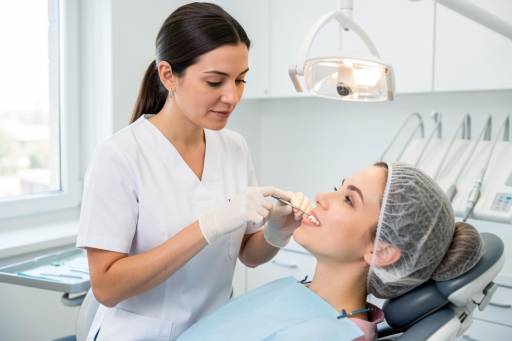
The dental contouring process begins with a consultation where your dentist evaluates your teeth to determine if you are a suitable candidate. They will identify areas where minor enamel removal can improve your tooth shape and overall smile aesthetics.
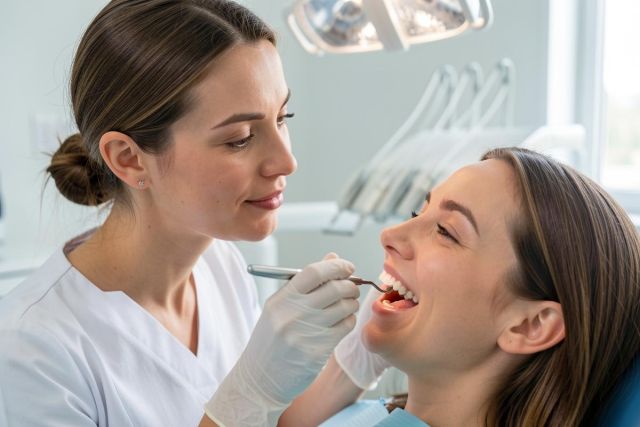
On the day of treatment, your dentist uses specialized instruments such as sanding discs, lasers, or burs to gently shave or smooth the enamel. This step is precise and controlled to avoid removing too much tooth material. The procedure is generally painless and does not require anesthesia.
After reshaping, the dentist may polish your teeth to enhance their smoothness and shine. Since the enamel is minimally altered, there is typically no significant sensitivity or downtime. You can expect to resume normal activities immediately following the procedure.
Recovery is straightforward, with most patients experiencing no discomfort. However, it is essential to maintain good oral hygiene and avoid habits that could damage the newly shaped teeth, such as biting hard objects or grinding your teeth.
Overall, dental contouring is a quick, low-risk procedure with immediate cosmetic benefits, making it an appealing option for patients seeking a minimally invasive smile improvement.
Benefits and Risks of Dental Contouring
Dental contouring offers several benefits, including a fast and painless way to improve minor cosmetic dental issues. It enhances the symmetry and smoothness of your teeth, contributing to a more attractive smile without the need for extensive dental work.
Because it preserves most of your natural enamel, dental contouring is less invasive than treatments like veneers or crowns. This means fewer appointments and lower costs, which can be appealing if you are budget-conscious or seeking quick results.
However, there are some risks and limitations to consider. Excessive enamel removal can lead to tooth sensitivity or increased vulnerability to decay. It is crucial that the procedure is performed by an experienced dentist who understands how much enamel can be safely removed.
Dental contouring is not suitable for correcting major alignment issues or significant tooth damage. Patients with weak enamel, cavities, or gum disease should address these conditions before considering contouring.
Discussing your dental health and cosmetic goals with a qualified professional will help you understand whether the benefits outweigh potential risks in your case.
Is Dental Contouring Right for You? Factors to Consider
Determining if dental contouring is suitable for you involves assessing your dental health and aesthetic goals. If you have minor imperfections like uneven tooth edges, small chips, or mild crowding, contouring might be a good option.
Your dentist will examine your enamel thickness because sufficient enamel is necessary to safely remove material without compromising tooth health. Those with thin enamel, sensitivity, or active dental problems may not be ideal candidates.
Consider what you want to achieve aesthetically. Dental contouring provides subtle changes and works best for minor corrections rather than dramatic smile makeovers. If your goals require significant adjustments, other cosmetic treatments like veneers or orthodontics might be more appropriate.
Consulting a board-certified cosmetic dentist can help you understand the procedure's potential outcomes and limitations based on your unique dental anatomy and desires. This evaluation is essential before proceeding, especially if you plan to receive treatment abroad where direct follow-up care may be limited.
Choosing a Dental Clinic Abroad for Contouring Procedures
If you are considering dental contouring abroad, selecting a reputable clinic is key to ensuring safe and effective treatment. Look for dental centers with licensed dentists who specialize in cosmetic dentistry and have experience performing contouring procedures.
Verify the clinic's credentials and accreditations, which indicate adherence to international standards for infection control, patient safety, and quality care. Patient reviews and testimonials can provide insight into others' experiences and satisfaction with their smile enhancements.
Communication is also important, so choose a clinic where staff are fluent in your language or provide translation services. This helps ensure clear understanding of your treatment plan, expectations, and any post-procedure care instructions.
Researching the clinic's technology and equipment may also be helpful. Modern tools often result in more precise and comfortable procedures.
Find the Right Cosmetic Dental Treatment for Your Smile
Answer a few short questions and HealthNode will help you connect with the right cosmetic dentist or smile design specialist.
Current Teeth and Treatment Interest
This helps us understand whether whitening, bonding, veneers, aligners, crowns, or a smile makeover may be more suitable.
Dental Health Check
A few details help the dentist understand whether any dental treatment may be needed before cosmetic work.
Contact information
Your information is only used to contact you and is never shared with third parties.
Your request has been received!
Thank you. If you have recent dental photos, dental X-rays, smile design plans, previous whitening, veneer, bonding, crown, or orthodontic records, please keep them ready. A HealthNode consultant will guide you through the next step.
Taking these steps helps you make an informed choice, contributing to a positive dental tourism experience with satisfying cosmetic results.
Frequently Asked Questions
Q: What dental issues can dental contouring fix?
A: Dental contouring is effective for correcting minor imperfections such as uneven tooth edges, small chips, slightly misshapen teeth, and mild crowding. It helps enhance the overall symmetry and smoothness of your smile without extensive dental work.
Q: Is dental contouring a painful procedure?
A: Dental contouring is generally painless because it involves only the removal of small amounts of enamel. Most patients do not require anesthesia and experience no discomfort during or after the procedure.
Q: How long does recovery take after dental contouring?
A: Recovery from dental contouring is usually immediate with no downtime. You can resume normal activities right after treatment, though maintaining good oral hygiene is important to protect your reshaped teeth.
Q: Can dental contouring cause tooth sensitivity?
A: If too much enamel is removed, dental contouring can sometimes lead to increased tooth sensitivity. Choosing an experienced dentist helps minimize this risk by ensuring only safe amounts of enamel are reshaped.
Q: How do I know if dental contouring is suitable for me?
A: A dental examination is necessary to assess your enamel thickness, overall dental health, and cosmetic goals. Your dentist can advise whether contouring is appropriate or if other treatments would better meet your needs.
The information provided is for educational purposes only and does not constitute medical advice. Always consult with a healthcare professional for medical guidance specific to your situation.