Quick Answer
Before cosmetic dental treatment, essential tests include a thorough dental evaluation, dental X-rays, digital scans, and an oral health assessment to ensure safety and effective treatment planning.
- A pre-treatment dental evaluation examines teeth, gums, jawbone, and oral tissues to assess overall oral health.
- Dental X-rays provide images of teeth roots, jawbone, and surrounding structures to detect hidden issues.
- Digital scans create precise 3D models of the mouth for accurate design of veneers, crowns, or aligners.
- An oral health assessment checks for gum disease and soft tissue conditions critical for successful cosmetic outcomes.
- Medical and dental history reviews help identify conditions or medications that may affect treatment safety and healing.
- Physical exams assess jaw movement, muscle function, and oral tissues to detect issues that could influence cosmetic procedures.
- Preparation instructions may include maintaining oral hygiene, avoiding certain foods, and planning for recovery to support optimal healing.
What Tests Are Used Before Cosmetic Dental Treatment?
Before undergoing cosmetic dental treatment, several important tests and assessments are performed to ensure your safety and the success of the procedure. These evaluations help your dentist understand your oral health status, identify any underlying issues, and tailor the treatment plan to your specific needs. This comprehensive approach minimizes risks and enhances the likelihood of achieving the desired aesthetic results.
A thorough pre-treatment dental evaluation is a critical step that provides a comprehensive picture of your teeth, gums, and overall mouth condition. This process typically includes visual examinations, imaging tests like dental X-rays, and digital scans. These diagnostic tools allow dentists to detect cavities, bone loss, infections, or other problems that could affect cosmetic results. Early identification of such issues enables timely treatment and prevents complications during or after cosmetic procedures.
Understanding these preparatory tests can help you feel more confident and informed about your upcoming cosmetic dental procedure. Knowing what to expect during the evaluation phase also ensures you can actively participate in your care and ask relevant questions about your treatment options and safety measures. Being informed empowers you to collaborate with your dentist in making decisions that best suit your health and cosmetic goals, ultimately contributing to a positive treatment experience and satisfactory outcomes.
Find the Right Cosmetic Dental Treatment for Your Smile
Answer a few short questions and HealthNode will help you connect with the right cosmetic dentist or smile design specialist.
Current Teeth and Treatment Interest
This helps us understand whether whitening, bonding, veneers, aligners, crowns, or a smile makeover may be more suitable.
Dental Health Check
A few details help the dentist understand whether any dental treatment may be needed before cosmetic work.
Contact information
Your information is only used to contact you and is never shared with third parties.
Your request has been received!
Thank you. If you have recent dental photos, dental X-rays, smile design plans, previous whitening, veneer, bonding, crown, or orthodontic records, please keep them ready. A HealthNode consultant will guide you through the next step.
Key Steps in the Pre-Treatment Dental Evaluation
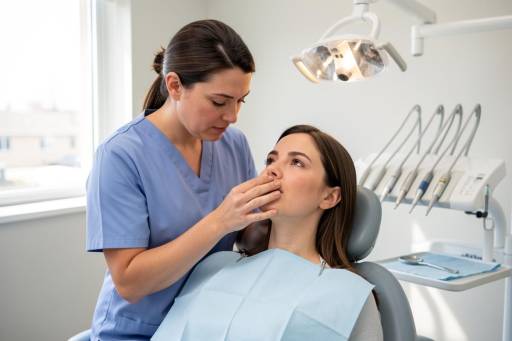
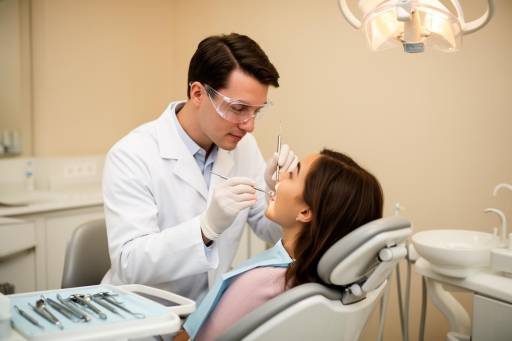
A pre-treatment dental evaluation is essential before any cosmetic dental procedure because it ensures that your mouth is healthy enough for treatment and that the planned procedure will produce optimal results. This evaluation involves a detailed examination of your teeth, gums, jawbone, and oral tissues to assess overall oral health and identify any underlying issues.
During the assessment, your dentist will check for signs of decay, gum disease, tooth alignment, and bite issues. Identifying these conditions early allows your dentist to address them before proceeding with cosmetic work, which helps prevent complications and ensures long-lasting results. For example, untreated cavities or periodontal disease can undermine cosmetic restorations, leading to failure or the need for additional treatment.
This initial evaluation also includes reviewing your dental and medical history to understand any previous treatments or health conditions that might affect your care. Factors such as past dental surgeries, allergies, or systemic illnesses are important considerations in planning safe and effective cosmetic procedures. Overall, the pre-treatment assessment sets the foundation for a safe, personalized cosmetic dental plan tailored to your unique needs and goals. It also enables your dentist to discuss realistic expectations and potential risks associated with the proposed treatments.
Common Diagnostic Tests for Cosmetic Dental Procedures
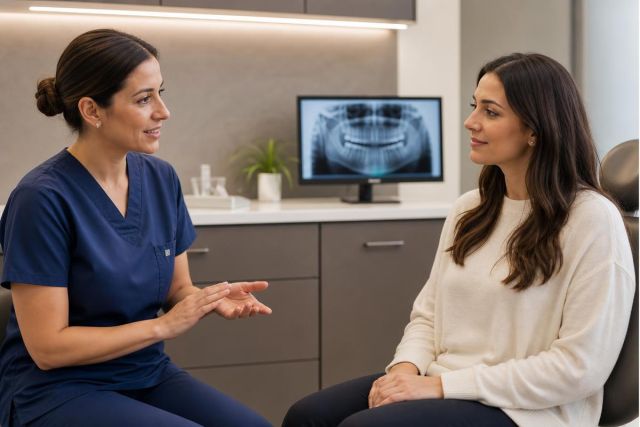
Several diagnostic tests are commonly used to gather detailed information about your oral health before cosmetic dental treatments. Dental X-rays are one of the primary tools, providing clear images of your teeth roots, jawbone, and surrounding structures that cannot be seen during a visual exam. These images help detect hidden decay, bone loss, cysts, or impacted teeth that could affect treatment planning.
Digital scans have become increasingly popular as they create precise three-dimensional models of your mouth. These scans help with designing veneers, crowns, or aligners with exceptional accuracy, improving both fit and aesthetics. They also reduce the need for traditional impressions, which can be uncomfortable for some patients.
An oral health assessment is also conducted to evaluate your gums, check for periodontal disease, and assess the condition of soft tissues. This is crucial because healthy gums and tissues support successful cosmetic outcomes and reduce the risk of postoperative complications. The dentist will look for signs of inflammation, bleeding, or lesions that may require treatment prior to cosmetic procedures.
Together, these diagnostic tests form a comprehensive picture that guides your dentist in creating a treatment plan that addresses both cosmetic desires and oral health needs. By combining multiple diagnostic approaches, your dentist can tailor treatments that are safe, effective, and aligned with your individual anatomy and health status.
How Your Dentist Determines the Best Cosmetic Treatment Plan
Your dentist uses the results from the pre-treatment tests and evaluations to develop a customized cosmetic dental plan that suits your oral health and aesthetic goals. The information from X-rays and digital scans reveals any underlying issues like cavities or bone loss that must be addressed before cosmetic work begins. This ensures that the foundation for cosmetic enhancements is stable and healthy.
Treatment planning also considers your bite, jaw alignment, and the health of your gums to ensure that the cosmetic procedure will be stable and functional long-term. For example, if gum disease is detected, it will require treatment first to avoid complications such as infection or implant failure. Similarly, bite misalignment may need correction to prevent excessive wear or damage to cosmetic restorations.
Personalizing your care means your dentist can recommend the most suitable options, whether veneers, whitening, crowns, or implants, based on your unique dental anatomy and cosmetic desires. This approach prioritizes safety and effectiveness, helping you achieve a beautiful smile without compromising oral health. Your dentist will also discuss the benefits, limitations, and possible risks of each option, allowing you to make informed decisions aligned with your expectations and lifestyle.
Preparing for Your Cosmetic Dental Procedure
After completing the necessary tests and receiving your treatment plan, there are several steps you can take to prepare for your cosmetic dental procedure. Your dentist may provide specific instructions such as maintaining excellent oral hygiene to reduce the risk of infection, avoiding certain foods that could irritate your mouth, or temporarily stopping medications that affect bleeding, such as aspirin or other blood thinners. These precautions help create an optimal environment for healing and reduce the likelihood of complications.
Additional consultations might be scheduled to discuss anesthesia options, clarify expectations, or address any concerns you have about the procedure. During these discussions, you can ask questions about the procedure's duration, pain management strategies, and what to expect during recovery. Being well-informed and following your dentist’s guidance helps reduce anxiety and promotes smoother treatment by ensuring you are mentally and physically prepared.
It’s also important to plan for post-procedure care, including arranging transportation if sedation is used and scheduling recovery time. You may need to avoid strenuous activities or certain foods during the healing period, so organizing your schedule accordingly can support a comfortable recovery. Proper preparation ensures you are physically ready and mentally confident, which supports better outcomes and satisfaction with your cosmetic dental treatment. Additionally, understanding the aftercare requirements helps you recognize signs of potential complications early and seek timely assistance if needed.
The Role of Patient History and Physical Exam in Cosmetic Dental Planning
In addition to imaging and diagnostic tests, your dentist will conduct a thorough review of your medical and dental history as well as a physical examination. This step is vital to identify any allergies, chronic conditions, or medications that could influence treatment safety or healing. For example, certain medications such as blood thinners or immunosuppressants may require special consideration or adjustments before proceeding with cosmetic dental work. Additionally, chronic conditions like diabetes or autoimmune diseases can affect healing times and the risk of infection, so your dentist needs to be aware of these factors.
A physical exam includes checking your jaw movement, muscle function, and the condition of your oral tissues. This helps detect issues like temporomandibular joint disorders (TMJ) or soft tissue abnormalities that might affect cosmetic procedures. For instance, limited jaw mobility or muscle pain could influence the choice of treatment or require additional management to ensure comfort and effectiveness. The dentist will also examine the gums and mucosa for signs of inflammation, lesions, or other abnormalities that could complicate healing or affect the appearance of the final results.
Understanding your overall health and history allows your dentist to minimize risks, tailor anesthesia choices, and anticipate possible complications. For example, if you have a history of allergic reactions, the dentist can select anesthetic agents accordingly to avoid adverse effects. This comprehensive evaluation ensures your cosmetic dental treatment is both safe and effective, with consideration for your unique health profile. It also enables your dentist to set realistic expectations and discuss any necessary modifications to the treatment plan to optimize outcomes while prioritizing your well-being.
Frequently Asked Questions
Q: What types of X-rays are used before cosmetic dentistry?
Find the Right Cosmetic Dental Treatment for Your Smile
Answer a few short questions and HealthNode will help you connect with the right cosmetic dentist or smile design specialist.
Current Teeth and Treatment Interest
This helps us understand whether whitening, bonding, veneers, aligners, crowns, or a smile makeover may be more suitable.
Dental Health Check
A few details help the dentist understand whether any dental treatment may be needed before cosmetic work.
Contact information
Your information is only used to contact you and is never shared with third parties.
Your request has been received!
Thank you. If you have recent dental photos, dental X-rays, smile design plans, previous whitening, veneer, bonding, crown, or orthodontic records, please keep them ready. A HealthNode consultant will guide you through the next step.
A: Common X-rays include bitewing, periapical, and panoramic images. These provide views of different parts of your teeth and jaw to detect cavities, bone health, and root conditions. Your dentist will choose the appropriate type based on your treatment needs.
Q: Why are digital scans preferred over traditional impressions?
A: Digital scans are more comfortable and accurate than traditional molds. They create detailed 3D images of your teeth and gums, allowing precise treatment planning and better-fitting restorations. They also speed up the process and reduce errors.
Q: How does my medical history affect cosmetic dental treatment?
A: Your medical history helps identify conditions or medications that could impact healing or interact with dental materials. For example, bleeding disorders or allergies may require special precautions. Sharing a complete history ensures your dentist can plan safe treatment.
Q: What should I do to prepare after my dental assessment?
A: Follow any specific instructions from your dentist, such as improving oral hygiene or avoiding certain foods. Attend all scheduled consultations and ask questions about your treatment plan. Planning transportation and recovery time can also help you prepare for the procedure.
Q: Are all cosmetic dental procedures preceded by the same tests?
A: Tests can vary depending on the procedure. While X-rays and oral exams are common, some treatments may require additional imaging or assessments. Your dentist will recommend the necessary tests to ensure your treatment is safe and tailored to your needs.
The information provided is for educational purposes only and does not constitute medical advice. Always consult with a healthcare professional for medical guidance specific to your situation.