Quick Answer
A chipped dental crown can often be repaired without replacing the whole crown if the damage is minor and does not compromise the crown's integrity. Repair techniques like bonding and composite resin application can restore function and appearance in many cases.
- Minor chips or surface cracks on dental crowns can frequently be repaired without full replacement.
- Dental professionals assess the extent and location of damage to determine if repair is feasible.
- Repair methods include dental bonding and composite resin application, which can restore the crown's shape and appearance.
- Repairs are generally less expensive and quicker than full crown replacement.
- Repaired areas may not be as strong as the original crown and might require monitoring or re-treatment.
- Extensive fractures, decay under the crown, or loosening usually necessitate crown replacement.
- Post-repair care involves avoiding hard foods and maintaining good oral hygiene to prolong repair longevity.
Can a Chipped Dental Crown Be Repaired Without Replacing the Whole Crown?
A chipped dental crown can frequently be repaired without the need to replace the entire crown, depending on the extent and location of the damage. Dental professionals assess whether simple repairs such as bonding or composite application can restore the crown’s function and appearance, potentially saving time and cost compared to full replacement.
Dental crowns serve to protect and restore damaged teeth, so when a chip occurs, it is important to evaluate the severity. Minor chips or surface cracks are often manageable with conservative repair techniques. However, more significant fractures or underlying tooth issues may require removal and fabrication of a new crown. Understanding your options helps you make informed decisions about preserving your dental restoration.
If you notice a chip in your crown, a dental evaluation will determine the best course of action. Repairing instead of replacing can maintain the integrity of your restoration while avoiding more invasive procedures, but not every case will be suitable for repair alone.
Restore Damaged or Missing Teeth With Crowns and Bridges
Answer a few short questions and HealthNode will help you connect with the right restorative or cosmetic dentist.
Crown, Bridge, or Replacement Needs
This helps us understand whether a crown, bridge, implant, or another treatment may be more suitable.
Dental Health Check
A few details help the dentist understand whether any treatment is needed before placing a crown or bridge.
Contact information
Your information is only used to contact you and is never shared with third parties.
Your request has been received!
Thank you. If you have dental X-rays, panoramic X-ray, CBCT scan, root canal records, previous crown or bridge records, treatment plans, or dental photos, please keep them ready. A HealthNode consultant will guide you through the next step.
Assessing the Damage: When Is Repair Possible for a Chipped Dental Crown?
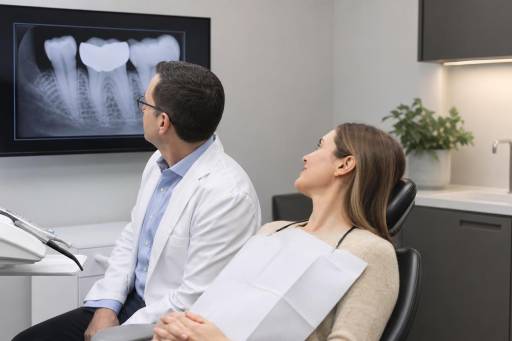
Dental professionals begin by thoroughly examining the chipped crown to determine the extent of damage. This includes visual inspection, probing, and sometimes dental imaging to check for cracks, fractures, or decay beneath the crown. The location and size of the chip are critical factors; small chips on non-biting surfaces are often good candidates for repair.
If the chip is superficial and does not compromise the crown’s structural integrity, a repair approach is usually feasible. However, damage affecting the crown’s fit, causing sharp edges, or exposing the underlying tooth may necessitate replacement. The dentist also evaluates whether the crown remains firmly attached or if loosening has occurred.
Assessing the condition of the underlying tooth is equally important. If decay or damage exists beneath the crown, repair alone will not suffice. In such cases, treatment may involve removing the crown to address the tooth and then placing a new crown. This comprehensive evaluation ensures your treatment is both safe and effective.
Repair Techniques for a Chipped Dental Crown and Their Effectiveness
When the damage to a dental crown is minor, repair techniques such as dental bonding and composite resin application are commonly used. Dental bonding involves applying a tooth-colored resin material to fill in the chip or crack, which is then hardened with a special light. This technique can restore the crown’s shape and appearance within a single dental visit.
Composite resin repairs are effective for small to moderate chips, providing a natural look that blends well with the existing crown material. The dentist carefully sculpts and polishes the resin to match the surrounding tooth surface. Bonding materials have improved significantly, offering good durability and aesthetics.
Despite these advances, repaired areas may not be as strong as the original crown material and could wear or chip again over time. Repair longevity depends on factors such as bite forces, oral habits, and the repair’s location. While repairs can extend the life of a crown, they may require monitoring and occasional re-treatment to maintain function and appearance.
Advantages and Limitations of Repairing a Chipped Crown Versus Replacing It
Repairing a chipped dental crown offers several advantages including lower cost, quicker treatment, and preservation of the existing restoration. Since repairs typically require less chair time and materials, they are often more affordable than fabricating a new crown. Additionally, repairs avoid the need to remove and potentially damage the underlying tooth structure.
However, repair has limitations. It is generally suitable only for minor chips or superficial damage. Larger fractures, structural compromise, or decay under the crown often require replacement for long-term success. Replacement crowns also provide an opportunity to improve fit, materials, or aesthetics if needed.
When weighing repair versus replacement, consider the expected longevity of the repair and your personal dental health. Repairs might be viewed as a temporary solution in some cases, while replacements provide a more durable restoration. Your dentist will help you decide based on clinical findings and your treatment goals.
What to Expect During the Repair Process and Post-Procedure Care
During a dental crown repair, your dentist will first clean the damaged area thoroughly to remove debris and prepare the surface for bonding. The tooth and crown surface may be etched with a mild acid to improve adhesion of the composite resin or bonding material. After applying the material, a curing light hardens it quickly.
The dentist then shapes and polishes the repair to blend seamlessly with the existing crown, ensuring proper bite alignment and smoothness. This process typically takes one appointment and causes minimal discomfort. Local anesthesia is rarely needed unless the repair is close to sensitive tooth areas.
Post-procedure care includes avoiding hard or sticky foods for several days to allow the repair to fully set. Maintaining good oral hygiene is essential to prevent decay around the crown. Regular dental visits will help monitor the repair’s condition and catch any issues early. With proper care, repaired crowns can function well and look natural.
Signs That Indicate a Crown Needs Replacement Instead of Repair
Certain signs suggest that a chipped dental crown should be replaced rather than repaired. Extensive fractures that affect the crown’s structural integrity or cause discomfort during chewing often require full replacement. If the crown is loose or no longer fits properly, repair is unlikely to restore stability.
Decay or infection underneath the crown is a critical indication for removal and replacement. Symptoms such as persistent tooth sensitivity, pain, or gum irritation near the crowned tooth may signal underlying problems that repair cannot address. Additionally, if the crown’s margins have deteriorated or a dark line appears at the gumline, replacement might be necessary.
Your dentist will carefully evaluate these factors during examination. Opting for replacement in these situations helps protect your tooth health and prevents further complications, ensuring a more reliable and long-lasting restoration.
Frequently Asked Questions
Q: Can a chipped dental crown be fixed without replacing it?
A: Yes, in many cases, a chipped crown can be repaired using bonding or composite materials, depending on the extent of the damage. Your dentist will evaluate whether repair is suitable for your specific situation.
Q: How long does a crown repair typically last?
Restore Damaged or Missing Teeth With Crowns and Bridges
Answer a few short questions and HealthNode will help you connect with the right restorative or cosmetic dentist.
Crown, Bridge, or Replacement Needs
This helps us understand whether a crown, bridge, implant, or another treatment may be more suitable.
Dental Health Check
A few details help the dentist understand whether any treatment is needed before placing a crown or bridge.
Contact information
Your information is only used to contact you and is never shared with third parties.
Your request has been received!
Thank you. If you have dental X-rays, panoramic X-ray, CBCT scan, root canal records, previous crown or bridge records, treatment plans, or dental photos, please keep them ready. A HealthNode consultant will guide you through the next step.
A: The longevity of a crown repair varies based on the repair method and patient habits but generally lasts between 3 to 10 years. Regular dental check-ups are important to monitor its condition.
Q: Is repairing a crown more affordable than replacing it?
A: Generally, repairing a crown is less expensive than replacing it entirely, as it involves less chair time and materials. However, the cost depends on the repair method and extent of damage.
Q: Will a repaired crown look natural?
A: Modern bonding and composite materials can closely match the appearance of natural teeth, making repaired crowns look natural. Your dentist can customize the color and shape for optimal aesthetics.
Q: Are there risks associated with repairing a chipped crown?
A: Risks include potential for the repair to fail over time, especially if the damage is extensive or if the crown is weakened. Regular follow-up visits can help ensure the repair remains effective.
Q: When should I consider replacing my crown instead of repairing it?
A: If the damage is extensive, the crown is fractured, decayed underneath, or shows signs of loosening or gum irritation, replacement may be the better option.
The information provided is for educational purposes only and does not constitute medical advice. Always consult with a healthcare professional for medical guidance specific to your situation.