Quick Answer
A crown placed in Turkey can generally be repaired or recemented by a Canadian dentist if the crown and underlying tooth are in good condition. Canadian dentists have the expertise and materials to manage most crowns from Turkey, though some cases may require replacement if the crown is damaged or made with unusual materials.
- Canadian dentists can typically repair or recement crowns placed in Turkey using standard dental materials and techniques.
- The success of repair or recementation depends on the crown's condition, material, fit, and the health of the underlying tooth.
- Early dental evaluation upon returning to Canada is important to detect issues like looseness, damage, or decay.
- Most crowns from Turkey are made of materials compatible with Canadian dental cements and bonding agents.
- If a crown is damaged or incompatible with repair methods, replacement with a locally fabricated crown may be necessary.
- The repair or recementation process usually involves cleaning, fitting, and bonding the crown, often completed in one visit.
- Choosing a qualified Canadian dentist experienced with crowns from abroad helps ensure appropriate care and treatment outcomes.
Can a Crown Placed in Turkey Still Be Repaired or Recemented by a Dentist in Canada?
A dental crown placed in Turkey can typically be repaired or recemented by a qualified dentist in Canada, provided that the crown itself remains in good condition and the underlying tooth structure is healthy. Canadian dental professionals possess the expertise, diagnostic tools, and materials necessary to evaluate and manage crowns placed abroad, including those from Turkey, where dental tourism is common.
The ease and success of repair or recementation depend on several factors, including the crown’s material composition, how well it fits your tooth, and the extent of any damage or wear. Some crowns may require more complex management if they have been fabricated with materials or techniques that differ from those commonly used in Canada.
If you have had dental crown treatment in Turkey and are now back in Canada, it is important to seek a dental evaluation promptly if you notice any issues such as looseness, discomfort, sensitivity to temperature changes, or pain. Early assessment helps prevent complications like decay, infection, or crown failure and allows your dentist to recommend the most appropriate treatment. This might involve recementing the existing crown, repairing minor damage, or replacing the crown entirely if necessary.
Restore Damaged or Missing Teeth With Crowns and Bridges
Answer a few short questions and HealthNode will help you connect with the right restorative or cosmetic dentist.
Crown, Bridge, or Replacement Needs
This helps us understand whether a crown, bridge, implant, or another treatment may be more suitable.
Dental Health Check
A few details help the dentist understand whether any treatment is needed before placing a crown or bridge.
Contact information
Your information is only used to contact you and is never shared with third parties.
Your request has been received!
Thank you. If you have dental X-rays, panoramic X-ray, CBCT scan, root canal records, previous crown or bridge records, treatment plans, or dental photos, please keep them ready. A HealthNode consultant will guide you through the next step.
Navigating follow-up care for dental work done abroad can feel uncertain, especially when you are unfamiliar with the materials or techniques used. However, Canadian dentists are experienced in managing these cases and can provide guidance tailored to your specific situation. Understanding what to expect during your dental assessment and treatment empowers you to make informed decisions and maintain your oral health effectively, ensuring that your investment in dental care abroad continues to serve you well.
Assessing the Condition of Your Crown After Returning to Canada
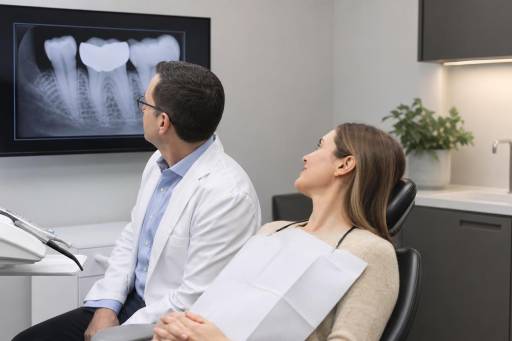
Upon your return to Canada, it is important to have your Turkish dental crown evaluated promptly by a qualified dentist to ensure it remains in good condition and continues to protect the underlying tooth effectively. The assessment begins with a thorough dental examination, where the dentist visually inspects the crown for any signs of wear, damage, or loosening. They will check for marginal gaps where bacteria could infiltrate, as well as signs of decay beneath the crown or inflammation of the surrounding gum tissue.
In addition to the visual exam, dental X-rays are often taken to evaluate the tooth beneath the crown. These images help detect hidden issues such as root infections, decay, or bone loss that could compromise the crown’s stability and the health of your tooth.
During the evaluation, your dentist will also inquire about any symptoms you may be experiencing, such as pain, sensitivity to hot or cold temperatures, discomfort when biting or chewing, or any unusual sensations around the crown. Sharing this information helps the dentist determine the urgency and type of treatment needed.
If the crown appears stable, well-fitted, and the supporting tooth is healthy, and if the crown has become loose, recementation may be a straightforward solution. However, if there is damage to the crown itself, decay under the crown, or issues with the tooth structure, your dentist may recommend repair or replacement.
Early assessment and intervention are key to preventing more serious complications, such as tooth loss or infection. Timely evaluation ensures that your crown continues to function properly, protects your tooth, and maintains your overall oral health.
Compatibility of Turkish Dental Crowns with Canadian Dental Materials and Techniques
Dental crowns placed in Turkey are generally compatible with Canadian dental materials and repair techniques, facilitating effective follow-up care after returning to Canada. Most crowns are made from widely used materials such as porcelain-fused-to-metal, all-ceramic, or zirconia. These materials are recognized by professional bodies including the Canadian Dental Association (CDA), which provides guidelines supporting their use and repair. Peer-reviewed studies in dental materials science also confirm the compatibility of these crown types with standard Canadian dental cements and bonding agents, ensuring reliable repair and recementation outcomes. Canadian dentists are trained to work effectively with these materials during repairs, recementation, or replacement procedures.
When repairing or recementing a crown, Canadian dentists use dental cements and bonding agents specifically designed to adhere securely to these common crown materials. This ensures a strong bond and long-lasting restoration. However, it is important to recognize that some crowns made abroad may involve specific laboratory techniques or use proprietary materials that differ slightly from those commonly employed in Canada. These differences can sometimes present challenges during repair or recementation.
If the crown’s material or fit appears unusual, your Canadian dentist may perform additional assessments, such as fit testing or material analysis, to determine the best approach for repair. Adjustments to the crown or tooth preparation may be necessary to ensure proper adhesion and a comfortable fit.
In rare cases where the crown’s material is incompatible with available repair methods, or if the crown is significantly damaged, your dentist may recommend replacing the crown with a new one fabricated locally. This option can provide better long-term success and ensure that the crown meets Canadian standards for durability and aesthetics.
Overall, while most Turkish dental crowns can be effectively managed in Canada, open communication with your dentist about the crown’s origin and any known material details can help facilitate optimal care.
The Process of Repairing or Recementing a Crown in Canada
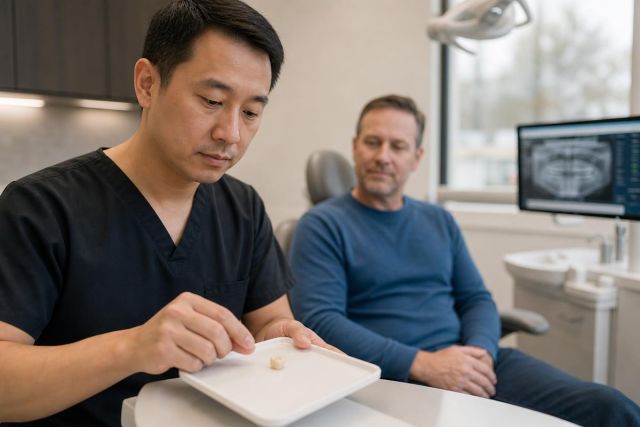
The process of repairing or recementing a crown in Canada typically begins with a detailed consultation and dental examination. During this appointment, your dentist will assess the condition of your crown, evaluate the health of the underlying tooth and surrounding tissues, and discuss your symptoms and concerns. Based on this evaluation, the dentist will explain the treatment options available, including whether recementation, repair, or complete replacement is the most appropriate course of action.
If recementing is deemed suitable, the dentist will carefully remove the crown to avoid damaging it or the tooth. Both the crown and the tooth surface will be meticulously cleaned to remove any old cement, plaque, or debris that could interfere with adhesion. After ensuring a proper fit, the crown will be reseated using a dental cement that provides strong bonding and durability. This procedure is minimally invasive, usually completed in a single visit, and effectively restores the crown’s stability and function.
For minor repairs, such as fixing small chips or cracks in the crown, dentists use composite resins or dental bonding materials. These materials are shaped and polished to restore the crown’s form and function while maintaining a natural appearance. This approach can often be completed quickly and conservatively without needing to replace the entire crown.
In cases of more extensive damage or when the crown no longer fits properly, a new crown may need to be fabricated. This process involves taking impressions of your tooth and sending them to a dental laboratory, where the new crown is custom-made to match your bite and aesthetics. Temporary crowns may be placed during this time to protect the tooth.
After treatment, your dentist will provide instructions on how to care for your crown and maintain good oral hygiene. Follow-up appointments may be scheduled to monitor the crown’s stability, ensure your bite remains comfortable, and address any concerns. Being attentive to signs such as discomfort, loosening, or changes in the crown’s appearance can help you seek timely care and prolong the lifespan of your restoration.
Choosing a Qualified Dentist in Canada for Crown Repairs or Recementation
Selecting a reputable dental professional experienced in crown repairs is crucial to ensure safe, effective, and lasting treatment. When choosing a dentist in Canada for crown repair or recementation, it is important to verify that they are licensed and have a solid track record of working with patients who have dental restorations placed abroad, including crowns from countries like Turkey. Experience with such cases means the dentist is familiar with potential differences in materials and techniques used internationally.
You can begin your search by consulting professional dental association directories, which list licensed practitioners and often provide information about their specialties. Patient reviews and testimonials can offer insight into the quality of care and patient satisfaction, while recommendations from trusted friends or family members can also guide you to reliable providers.
Scheduling an initial consultation allows you to assess the dentist’s communication style, professionalism, and willingness to discuss your concerns in detail. A patient-focused dentist will take the time to explain the condition of your crown, the available treatment options, and what you can expect during and after the procedure. This transparency helps build trust and sets realistic expectations.
Experienced dentists will carefully evaluate your crown’s fit, integrity, and the health of the underlying tooth before recommending repair or replacement. They will provide honest advice about the benefits and limitations of each option, including expected outcomes, longevity, and costs. Choosing a dentist who prioritizes your comfort and involves you in decision-making can enhance your confidence and reduce anxiety during follow-up care.
Cost, Insurance, and Follow-up Care for Crown Repairs in Canada
The cost of repairing or recementing a crown in Canada can vary widely depending on several factors, including the complexity of the procedure, the type of materials used, and the specific dental clinic’s fee structure. Simple recementation, which involves reattaching a crown that has become loose, is generally more affordable than a full crown replacement, which requires fabrication of a new crown.
Dental insurance coverage for crown repairs or recementation depends on the details of your individual plan. Some insurance providers offer partial or full coverage for these procedures when they are medically necessary, but coverage can differ significantly between plans. It is important to contact your insurer to understand your benefits and any out-of-pocket costs you may incur.
Your dental office can also provide an estimate of the procedure’s cost based on their fees and your insurance coverage. Being proactive in discussing costs and insurance helps you avoid unexpected expenses.
Restore Damaged or Missing Teeth With Crowns and Bridges
Answer a few short questions and HealthNode will help you connect with the right restorative or cosmetic dentist.
Crown, Bridge, or Replacement Needs
This helps us understand whether a crown, bridge, implant, or another treatment may be more suitable.
Dental Health Check
A few details help the dentist understand whether any treatment is needed before placing a crown or bridge.
Contact information
Your information is only used to contact you and is never shared with third parties.
Your request has been received!
Thank you. If you have dental X-rays, panoramic X-ray, CBCT scan, root canal records, previous crown or bridge records, treatment plans, or dental photos, please keep them ready. A HealthNode consultant will guide you through the next step.
Follow-up care after crown repair is essential to maintain the crown’s function and your overall oral health. This includes regular dental check-ups where your dentist will monitor the crown’s condition, check for any signs of loosening or damage, and assess the health of surrounding gums and teeth. Proper oral hygiene practices, such as brushing and flossing around the crown, are critical to prevent decay and gum disease.
If you experience any discomfort, sensitivity, or notice that the crown feels loose, it is important to seek dental advice promptly. Early intervention can prevent more serious complications and help extend the lifespan of your crown, ultimately protecting your investment in your dental health.
Frequently Asked Questions
Q: Can Canadian dentists fix crowns placed in Turkey?
A: Yes, Canadian dentists can often repair or recement crowns placed in Turkey. They have the training and materials to manage most standard crown types, but the crown's condition and material influence repair options.
Q: Will my dental insurance in Canada cover crown repairs from abroad?
A: Insurance coverage varies by provider and plan. Many plans cover crown repairs or recementation if medically necessary. Check with your insurer and dentist for specific details about your coverage.
Q: How do I know if my crown needs recementing or replacement?
A: Signs like looseness, pain, sensitivity, or visible damage suggest your crown needs evaluation. A dentist will assess whether recementing or replacement is best based on the crown and tooth condition.
Q: Is recementing a crown a painful procedure?
A: Recementing a crown is generally painless and minimally invasive. Dentists ensure comfort throughout the procedure, which usually takes a single visit without the need for anesthesia.
Q: Can all types of crowns from Turkey be repaired in Canada?
A: Most common crown materials like porcelain, ceramic, and metal can be repaired or recemented in Canada. However, crowns made with unusual materials or techniques may require replacement if repairs are not feasible.
The information provided is for educational purposes only and does not constitute medical advice. Always consult with a healthcare professional for medical guidance specific to your situation.