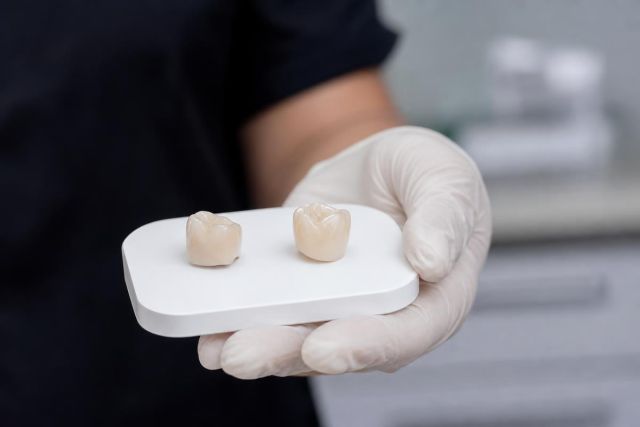
Quick Answer
The NHS covers dental crowns made from certain materials like metal or porcelain fused to metal when clinically necessary, but crowns made from advanced or aesthetic materials typically require private payment.
- NHS dental crowns are covered primarily when clinically necessary to restore function or health, not for cosmetic reasons.
- The NHS generally covers crowns made from metal or porcelain fused to metal due to their durability and cost-effectiveness.
- Advanced materials such as all-ceramic or zirconia crowns are usually considered cosmetic and are not covered by the NHS.
- Patients choosing premium crown materials not included in NHS coverage must pay privately for those options.
- Private dental crowns vary in cost and patients should compare providers and consider payment plans to manage expenses.
- Discussing crown options and coverage with your dentist helps clarify which treatments are NHS-funded and which require private payment.
- Upgrading an NHS crown to a higher-quality material later typically involves private payment.
Can a Dental Crown Be Covered by the NHS While a Different Material Requires Private Payment?
Yes, the NHS can cover dental crowns if they meet certain clinical criteria, but coverage often applies only to specific materials deemed necessary for dental health rather than cosmetic appeal. When patients choose advanced or more aesthetic crown materials not included in NHS provision, they usually must pay privately for those options.
Dental crowns are restorative dental treatments used to strengthen damaged teeth or improve function. The NHS aims to provide essential dental care focused on health rather than cosmetic enhancements, which means the type of crown material covered is limited. Understanding NHS dental coverage policies and material options helps patients make informed choices about their care and finances.
Navigating NHS dental services can be complex because coverage varies by treatment type, clinical need, and local NHS policies. This article explains how NHS dental coverage applies to crowns, which materials are included or excluded, and when private payment becomes necessary. You will also find guidance on discussing options with your dentist and managing costs effectively.
Restore Damaged or Missing Teeth With Crowns and Bridges
Answer a few short questions and HealthNode will help you connect with the right restorative or cosmetic dentist.
Crown, Bridge, or Replacement Needs
This helps us understand whether a crown, bridge, implant, or another treatment may be more suitable.
Dental Health Check
A few details help the dentist understand whether any treatment is needed before placing a crown or bridge.
Contact information
Your information is only used to contact you and is never shared with third parties.
Your request has been received!
Thank you. If you have dental X-rays, panoramic X-ray, CBCT scan, root canal records, previous crown or bridge records, treatment plans, or dental photos, please keep them ready. A HealthNode consultant will guide you through the next step.
NHS Dental Coverage for Crowns: What Is Included?
The NHS covers dental crowns primarily when they are clinically necessary to restore damaged or weakened teeth. These crowns help protect teeth from further damage, improve chewing ability, and maintain oral health. Coverage requires that the crown is essential for dental function or health rather than purely cosmetic reasons.
Typically, NHS dental crowns are made from materials considered durable and cost-effective, such as metal or porcelain fused to metal. The NHS dental contract specifies the treatments and materials it funds based on clinical need and cost efficiency. Dentists assess whether a crown is needed and which materials qualify under NHS rules.
Eligibility for NHS dental crowns depends on your dental health condition and your registration with an NHS dentist. Treatment costs are structured into NHS bands, with crowns often falling under Band 3 treatments, which cover complex procedures. However, any crown material upgrades or purely aesthetic options usually fall outside NHS coverage and require private payment.
Patients should consult their NHS dentist to understand if their dental crown qualifies for NHS coverage and what treatment band applies. This ensures clarity about what the NHS will fund and what costs might fall to the patient.
Material Choices for Dental Crowns and NHS Limitations
Dental crowns come in various materials, each with unique benefits, costs, and aesthetic qualities. Common materials include metal alloys, porcelain fused to metal, all-ceramic, zirconia, and composite resin. Each differs in appearance, strength, and price.
The NHS generally covers crowns made from metal or porcelain fused to metal. These materials meet the clinical requirements for durability and function at an acceptable cost level for public health funding. Metal crowns are strong and long-lasting but less aesthetic, while porcelain fused to metal offers a better appearance with good strength.
Advanced materials like all-ceramic or zirconia crowns provide superior aesthetics and biocompatibility but are typically considered cosmetic enhancements. Due to their higher cost and aesthetic focus, these materials are often not included in NHS coverage. Patients who desire these materials usually need to pay privately.
Understanding these material distinctions helps patients anticipate NHS coverage limitations and the potential need for private payment if they prefer premium options. Discussing material choices with your dentist can clarify which options align with NHS funding and which involve additional costs.
When Private Payment Is Necessary for Specific Crown Materials
Private payment becomes necessary when patients opt for dental crown materials or treatments that the NHS does not cover. This typically includes crowns made from all-ceramic, zirconia, or other premium materials chosen for their aesthetic qualities or enhanced durability.
These materials are often viewed as cosmetic upgrades rather than essential dental restorations. Since NHS funding focuses on clinically necessary treatments, cosmetic improvements generally fall outside NHS reimbursement. Patients choosing these premium crowns must bear the full cost privately.
Another scenario requiring private payment is if you wish to upgrade an existing NHS crown to a higher-quality material later. While the initial crown might be NHS-funded, replacing it with a premium crown usually involves private fees.
Choosing private dental care offers more flexibility in material selection, treatment timing, and aesthetic customization. However, it also requires careful cost consideration and vetting of providers to ensure quality. Knowing when private payment is necessary helps you plan your dental care budget and expectations realistically.
Navigating Costs and Finding Affordable Private Options
Private dental crowns can vary widely in cost depending on the material, clinic location, and provider expertise. Prices often range from several hundred to over a thousand pounds. This variability can challenge patients seeking affordable yet quality care.
Comparing prices from multiple reputable private dentists and asking detailed questions about materials, warranties, and treatment scope can help control costs. Some clinics offer payment plans or finance options to spread the cost over time, making private crowns more accessible.
Dental insurance or private health plans may cover part of the crown cost if you have such coverage. Checking your insurance benefits before treatment can reduce unexpected expenses.
Patients should not compromise quality for price but can seek accredited dental providers who balance skilled care with reasonable fees. Requesting clear cost estimates upfront and understanding what is included in the price helps avoid surprises.
Balancing cost, quality, and your dental needs allows you to find private crown options that suit your budget while meeting your health and aesthetic goals.
Consulting Your Dentist About Crown Options and Coverage
Discussing your crown needs and coverage options openly with your dentist is essential for making informed decisions. Your dentist can explain which crown materials qualify for NHS coverage and which require private payment based on your clinical situation.
A thorough dental consultation allows your provider to assess your oral health, recommend appropriate crown materials, and discuss aesthetic considerations. This conversation also helps set clear expectations about costs, treatment timelines, and aftercare.
If you prefer a crown material not covered by the NHS, your dentist can provide private treatment estimates and explain the benefits and limitations of each option. Understanding these factors enables you to choose a treatment plan that aligns with your preferences and budget.
Regular communication with your dental team ensures that you receive care tailored to your needs while navigating NHS and private dental services effectively. Don’t hesitate to ask questions or request written treatment plans to clarify coverage and costs.
Frequently Asked Questions
Q: Can I get a dental crown covered by the NHS?
Restore Damaged or Missing Teeth With Crowns and Bridges
Answer a few short questions and HealthNode will help you connect with the right restorative or cosmetic dentist.
Crown, Bridge, or Replacement Needs
This helps us understand whether a crown, bridge, implant, or another treatment may be more suitable.
Dental Health Check
A few details help the dentist understand whether any treatment is needed before placing a crown or bridge.
Contact information
Your information is only used to contact you and is never shared with third parties.
Your request has been received!
Thank you. If you have dental X-rays, panoramic X-ray, CBCT scan, root canal records, previous crown or bridge records, treatment plans, or dental photos, please keep them ready. A HealthNode consultant will guide you through the next step.
A: Yes, the NHS may cover certain types of dental crowns if they meet specific clinical criteria and are deemed necessary for dental health.
Q: What types of crown materials are usually covered by the NHS?
A: The NHS typically covers crowns made from metal or porcelain fused to metal, which are considered standard treatment options.
Q: Why are some crown materials not covered by the NHS?
A: Advanced materials like all-ceramic or zirconia crowns are often considered cosmetic or aesthetic enhancements, which NHS funding generally does not cover.
Q: How much does it usually cost to get a private crown?
A: Private crowns can vary widely in cost, often ranging from a few hundred to over a thousand pounds depending on material and location.
Q: Can I upgrade to a better crown material later if I start with NHS coverage?
A: Yes, you can discuss with your dentist the possibility of upgrading your crown, which may involve additional private payment.
Q: What should I consider when choosing between NHS and private dental crowns?
A: Consider factors such as material preferences, aesthetic needs, treatment urgency, and budget to make an informed choice.
The information provided is for educational purposes only and does not constitute medical advice. Always consult with a healthcare professional for medical guidance specific to your situation.