Quick Answer
A missing tooth clause in private dental insurance policies can limit or exclude coverage for dental bridges that replace teeth missing before the policy began, potentially leading to denied or reduced insurance payments.
- The missing tooth clause excludes or limits insurance benefits for teeth lost prior to the start of the dental insurance policy.
- Insurance companies require documentation proving the tooth loss occurred after the policy's effective date to approve coverage for dental bridges.
- Policies vary in wording and application of the missing tooth clause, affecting coverage eligibility and benefits.
- Patients can maximize benefits by reviewing policy details, gathering dental records, and collaborating with their dentist to document medical necessity.
- If coverage is denied, patients can appeal with additional documentation or seek assistance from insurance specialists or legal advisors.
- Legal and ethical considerations emphasize clear disclosure of missing tooth clauses to ensure consumer understanding and fair access to care.
- Alternative financing options and treatments may be necessary if insurance coverage for dental bridges is limited or denied due to the missing tooth clause.
Can a Missing Tooth Clause Affect Private Insurance Coverage for a Dental Bridge?
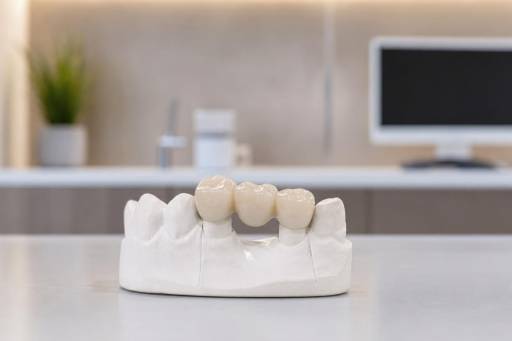
A missing tooth clause in private dental insurance policies can have a significant impact on your coverage for dental bridges, which are common restorative treatments used to replace one or more missing teeth. This clause typically excludes or limits insurance benefits for teeth that were already missing before your insurance policy began. As a result, your insurer might deny or reduce payments for a dental bridge that replaces such teeth, potentially leading to unexpected out-of-pocket expenses.
The rationale behind the missing tooth clause is that insurers aim to avoid covering pre-existing dental conditions that existed prior to the policy’s effective date. Understanding how this clause functions and how it may affect your coverage is crucial if you are considering a dental bridge. Being informed helps you navigate your insurance policy more effectively, plan financially for treatment costs, and avoid surprises when submitting claims.
Dental bridges serve an important role in restoring oral function, improving aesthetics, and preventing the shifting of adjacent teeth. However, insurance policies vary widely in how they word and apply missing tooth clauses, which can influence coverage eligibility. By learning the details of this clause and its implications, you can better advocate for your dental care needs, communicate effectively with your insurer and dental provider, and explore alternative treatment or payment options if necessary.
Restore Damaged or Missing Teeth With Crowns and Bridges
Answer a few short questions and HealthNode will help you connect with the right restorative or cosmetic dentist.
Crown, Bridge, or Replacement Needs
This helps us understand whether a crown, bridge, implant, or another treatment may be more suitable.
Dental Health Check
A few details help the dentist understand whether any treatment is needed before placing a crown or bridge.
Contact information
Your information is only used to contact you and is never shared with third parties.
Your request has been received!
Thank you. If you have dental X-rays, panoramic X-ray, CBCT scan, root canal records, previous crown or bridge records, treatment plans, or dental photos, please keep them ready. A HealthNode consultant will guide you through the next step.
Deciphering the Missing Tooth Clause in Dental Insurance Policies
The missing tooth clause is a specific provision included in many dental insurance policies that restricts coverage for the replacement of teeth that were missing before the policy took effect. Typically, this clause states that the insurer will not pay for restorative treatments, such as dental bridges or partial dentures, that replace teeth lost prior to the start date of coverage. In some cases, coverage may be limited or reduced rather than completely denied.
Although the exact wording of the missing tooth clause can vary between policies, the underlying intent remains consistent: insurers seek to manage costs by excluding pre-existing dental conditions from coverage. For example, if you lost a tooth several years before purchasing your dental insurance and now want a bridge to fill that gap, the missing tooth clause may result in denial of your claim or partial payment by the insurer.
This limitation primarily applies to prosthetic replacements like bridges and partial dentures, rather than other types of dental treatments. Some insurance policies may provide exceptions if you have prior documentation showing that the tooth loss occurred during an active coverage period or if the treatment is considered medically necessary by your dentist. It is important to carefully review your policy’s exact language, definitions, and any applicable waiting periods to understand how the missing tooth clause applies to your individual situation.
Being aware of this clause and its implications allows you to better prepare for discussions with your dental provider and insurer, gather necessary documentation, and plan your dental treatment and financing accordingly.
How Insurance Companies Determine Eligibility for Dental Bridges
Insurance companies evaluate multiple factors when determining eligibility for coverage of dental bridges, with the missing tooth clause being a central consideration. However, insurers also carefully assess the documentation provided, the medical necessity of the proposed treatment, and the timing of tooth loss relative to the policy’s effective dates.
To qualify for coverage, patients typically need to demonstrate that the tooth loss occurred after the start date of their dental insurance policy or during a waiting period that has since expired. This often requires submitting detailed dental records, such as X-rays or clinical notes, that clearly indicate when the tooth was lost. If the tooth was missing prior to coverage initiation, the missing tooth clause may lead insurers to deny benefits for a bridge replacing that tooth.
Beyond the timing of tooth loss, insurers consider the type of dental bridge proposed, the condition and health of adjacent teeth that will support the bridge, and whether alternative treatments, such as implants or partial dentures, might be more appropriate or covered. Some policies require pre-authorization, meaning the insurer reviews the treatment plan before the procedure to confirm coverage eligibility.
Understanding these criteria helps patients and providers prepare comprehensive documentation and communicate effectively with insurers. It also allows patients to anticipate potential coverage limitations and explore alternative treatment options or financing if necessary. Being proactive in gathering evidence and clarifying policy requirements can increase the likelihood of insurance approval for dental bridge procedures.
Strategies to Maximize Insurance Benefits for Dental Bridge Procedures
Navigating dental insurance policies that include missing tooth clauses can be complex, but employing strategic approaches can help you maximize your insurance benefits for dental bridge procedures.
First, thoroughly review your dental insurance policy to understand all relevant exclusions, coverage limitations, and waiting periods associated with missing tooth clauses. Having a clear grasp of your policy’s language enables you to anticipate potential coverage challenges. Gather comprehensive dental records, including X-rays, treatment histories, and documentation that establish when the tooth was lost relative to your coverage period. This evidence is critical to support your claim.
Second, collaborate closely with your dentist to document the medical necessity of the dental bridge. Your dentist can help explore alternative treatment options that might be covered under your policy, such as partial dentures or dental implants, which sometimes fall under different coverage criteria. Detailed clinical notes and treatment plans prepared by your dentist can strengthen your case when submitting claims or appeals.
Third, if your initial claim is denied, consider negotiating directly with your insurer or filing a formal appeal. Providing additional documentation, including a letter from your dentist explaining why the bridge is essential for your oral health, can improve the chances of approval. Persistence and clear communication during this process are key.
If insurance benefits remain limited, investigate alternative financing options to manage out-of-pocket expenses. Payment plans offered by dental offices, dental discount programs, or healthcare credit cards can provide manageable ways to afford necessary treatment without undue financial strain.
By combining thorough preparation, professional collaboration, and strategic follow-up, you can optimize your insurance benefits and access the dental bridge treatment you require.
Legal and Ethical Considerations of Missing Tooth Clauses in Dental Insurance
Missing tooth clauses in dental insurance policies raise significant legal and ethical considerations centered on fairness, transparency, and consumer protection. These clauses, which exclude coverage for teeth lost prior to the start of an insurance policy, must be clearly and explicitly disclosed within policy documents to ensure that consumers fully understand the limitations of their coverage before purchasing a plan. This transparency is essential to prevent misunderstandings and disputes regarding benefits.
In many jurisdictions, regulatory frameworks require insurers to use clear, plain language when describing exclusions, waiting periods, and other limitations in their policies. This legal requirement aims to empower patients with complete and accurate information so they can make informed decisions about dental care and insurance purchases. Failure to provide such disclosure may be considered deceptive or unfair practice, potentially exposing insurers to regulatory penalties or legal challenges.
From an ethical standpoint, insurers have a responsibility to avoid overly restrictive or ambiguous missing tooth clauses that could unjustly deny patients access to necessary dental treatments. Patient advocacy groups frequently scrutinize these clauses, advocating for policy language that is straightforward and equitable, thereby promoting fair access to dental care for all insured individuals. Ethical insurers balance cost management with patient welfare by ensuring that exclusions do not unfairly burden those seeking restorative dental procedures.
If you believe a missing tooth clause has been applied unfairly or without proper disclosure, you may have legal recourse depending on your jurisdiction’s consumer protection laws and insurance regulations. Consulting with a dental insurance specialist or legal advisor can provide clarity on your rights, help interpret policy language, and guide you through dispute resolution or appeals processes. Being informed about both the legal and ethical dimensions of missing tooth clauses helps patients advocate effectively for their dental health and insurance benefits.
Steps to Take if Your Insurance Denies Coverage for a Dental Bridge Due to a Missing Tooth Clause
If your dental insurance denies coverage for a dental bridge citing the missing tooth clause, it is important to take systematic steps to address the situation and advocate for your dental care needs.
Begin by requesting a detailed explanation from your insurer outlining the specific reasons for the denial. Carefully review your insurance policy documents to understand the exact wording of the missing tooth clause and any related exclusions or waiting periods. Collect all relevant dental records, X-rays, and correspondence with your dentist and insurer to support your case.
Next, prepare and submit a formal appeal to the insurance company. This appeal should include additional supporting evidence, such as a letter from your dentist that explains the medical necessity of the dental bridge and provides a clear timeline of when the tooth loss occurred. Detailed documentation can help clarify misunderstandings or demonstrate that the missing tooth clause should not apply in your case. Maintain thorough records of all communications, including dates, names of representatives spoken to, and summaries of conversations.
If your appeal is unsuccessful, consider consulting a dental insurance specialist or legal advisor who can provide expert guidance on further options, such as filing a complaint with a regulatory agency or pursuing legal recourse if applicable. Additionally, explore alternative funding sources to manage the cost of treatment, including dental savings plans, payment financing, or charitable dental programs that may assist patients with limited insurance coverage.
Being proactive, organized, and informed throughout this process enhances your ability to navigate insurance denials effectively and secure the dental care you need.
Restore Damaged or Missing Teeth With Crowns and Bridges
Answer a few short questions and HealthNode will help you connect with the right restorative or cosmetic dentist.
Crown, Bridge, or Replacement Needs
This helps us understand whether a crown, bridge, implant, or another treatment may be more suitable.
Dental Health Check
A few details help the dentist understand whether any treatment is needed before placing a crown or bridge.
Contact information
Your information is only used to contact you and is never shared with third parties.
Your request has been received!
Thank you. If you have dental X-rays, panoramic X-ray, CBCT scan, root canal records, previous crown or bridge records, treatment plans, or dental photos, please keep them ready. A HealthNode consultant will guide you through the next step.
Frequently Asked Questions
Q: What is a missing tooth clause in dental insurance policies?
A: A missing tooth clause is a policy provision that limits or excludes coverage for dental treatments, like bridges, if the tooth was missing before the policy began.
Q: Can I get coverage for a dental bridge if I have a missing tooth clause?
A: Coverage depends on the specific policy language and circumstances; some policies may exclude coverage, while others may offer partial benefits or require additional conditions.
Q: How can I improve my chances of insurance approval for a dental bridge?
A: You can review your policy details, provide documentation of your dental condition, and consult with your dentist or insurance advisor to strengthen your case.
Q: Are there legal protections against unfair missing tooth clauses?
A: Legal protections vary by jurisdiction; some regions enforce transparency and fairness in policy language, allowing patients to challenge unfair exclusions.
Q: What alternatives exist if my insurance does not cover a dental bridge?
A: Options include paying out-of-pocket, seeking financing plans, or exploring alternative treatments like partial dentures or implants.
Q: Should I consult a dental insurance specialist before treatment?
A: Yes, consulting a specialist can help clarify coverage options, assist with claims, and ensure you understand your rights and benefits.
The information provided is for educational purposes only and does not constitute medical advice. Always consult with a healthcare professional for medical guidance specific to your situation.