Quick Answer
Dental crowns are custom-made caps placed over damaged teeth to protect and strengthen them, while bridges replace missing teeth by anchoring artificial teeth to adjacent natural teeth or implants. The procedure involves tooth preparation, impressions, temporary restorations, and final fitting and cementing of the crown or bridge.
- Dental crowns cover weakened or decayed teeth to restore their shape, size, strength, and appearance.
- Bridges replace one or more missing teeth by anchoring artificial teeth to adjacent natural teeth or implants.
- Both crowns and bridges improve chewing, speaking, and the aesthetics of your smile using durable materials like porcelain or ceramic.
- The procedure includes consultation, tooth preparation, impressions, placement of temporary restorations, and final fitting and cementing.
- Many patients choose to get crowns and bridges abroad for cost savings and access to experienced specialists with advanced technology.
- Proper preparation includes providing dental records, discussing medical history, and following pre-treatment instructions.
- Post-procedure care involves good oral hygiene, avoiding hard foods, regular dental check-ups, and protecting restorations from damage.
Dental Crown and Bridge Procedure: Step-by-Step Guide
Dental crowns and bridges are common restorative dental treatments used to repair damaged teeth or replace missing ones. These procedures restore the function and appearance of your smile by covering or bridging gaps with custom-made prosthetics. Understanding what they involve can help you make informed decisions about your dental care, especially if you are considering treatment abroad.
Dental crowns are tooth-shaped caps placed over weakened or decayed teeth to protect and strengthen them. Bridges, on the other hand, fill spaces left by missing teeth by anchoring artificial teeth to adjacent natural teeth or implants. Both options improve chewing, speaking, and the overall aesthetics of your smile. With advancements in dental materials and techniques, crowns and bridges offer durable and natural-looking results that contribute to oral health and confidence.
If you are exploring restorative dentistry options internationally, it is important to know the typical procedure steps, benefits, and how to prepare for your appointment. This guide offers a clear, step-by-step overview along with practical advice to help you navigate the process with ease and confidence.
Restore Damaged or Missing Teeth With Crowns and Bridges
Answer a few short questions and HealthNode will help you connect with the right restorative or cosmetic dentist.
Crown, Bridge, or Replacement Needs
This helps us understand whether a crown, bridge, implant, or another treatment may be more suitable.
Dental Health Check
A few details help the dentist understand whether any treatment is needed before placing a crown or bridge.
Contact information
Your information is only used to contact you and is never shared with third parties.
Your request has been received!
Thank you. If you have dental X-rays, panoramic X-ray, CBCT scan, root canal records, previous crown or bridge records, treatment plans, or dental photos, please keep them ready. A HealthNode consultant will guide you through the next step.
Dental Crowns and Bridges: Essential Restorative Solutions for a Healthy Smile
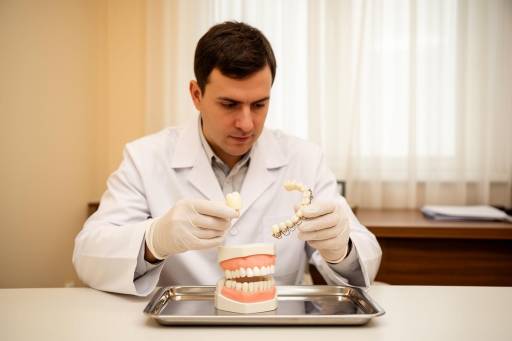
Dental crowns and bridges are foundational elements of restorative dentistry designed to repair and enhance your smile. A dental crown is a custom-made cap that covers a damaged or weakened tooth, restoring its shape, size, strength, and appearance. This protects the tooth from further damage and can improve alignment and bite function.
Bridges serve a different but complementary purpose. They replace one or more missing teeth by anchoring artificial teeth to the adjacent natural teeth or dental implants. This helps maintain facial structure, prevents teeth from shifting, and restores your ability to chew and speak properly.
Both crowns and bridges are made from durable materials like porcelain, ceramic, or metal alloys, often chosen to match the color of your natural teeth for a seamless look. These restorations not only improve aesthetics but also support oral health by protecting underlying teeth and preserving jawbone integrity. They are effective solutions for smile restoration that balance function and appearance.
The Step-by-Step Process of Getting a Dental Crown and Bridge
The process of receiving a dental crown or bridge typically involves several key steps designed to ensure a precise fit and comfortable outcome. It usually begins with an initial consultation where your dentist examines your oral health and discusses your treatment options.
Next, the tooth or teeth receiving the restoration are prepared. For a crown, this means reshaping the tooth by removing a portion of its outer surface to accommodate the cap. For a bridge, the adjacent teeth are similarly prepared to support the prosthetic. After preparation, your dentist takes detailed impressions of your teeth to create a model used for crafting your custom crown or bridge.
While your permanent restoration is being made, a temporary crown or bridge is placed to protect the prepared teeth. Once your custom piece is ready, you'll return for fitting and adjustment to ensure comfort, proper bite alignment, and appearance. Finally, the crown or bridge is permanently cemented in place.
This careful, stepwise approach helps achieve durable, functional, and aesthetically pleasing dental restorations tailored to your needs.
Benefits and Considerations of Getting Dental Crowns and Bridges Abroad
Many patients choose to undergo dental crown and bridge procedures abroad due to the combination of cost savings, high-quality care, and access to experienced specialists. Medical tourism destinations often provide these advanced restorative treatments at a fraction of the price found in countries like the United States, Canada, Australia, or the UK, making it an attractive option for budget-conscious patients.
Clinics abroad frequently offer state-of-the-art technology and internationally trained dental professionals, ensuring that the standards of care meet or exceed those at home. Additionally, patients may benefit from shorter waiting times and personalized treatment plans in these settings.
That said, it is important to research the accreditation and reputation of foreign dental clinics thoroughly. Look for providers who adhere to international hygiene standards and have positive patient reviews. Clear communication and understanding the entire treatment process, including follow-up care, are also critical to a successful outcome.
Choosing to receive dental crowns and bridges abroad can be a cost-effective way to restore your smile without compromising quality, provided you take these considerations into account.
Preparing for Your Dental Crown and Bridge Appointment
Preparing for your dental crown or bridge appointment can help ensure a smooth procedure and reduce any anxiety you may have. Before your visit, gather your dental records and any recent X-rays to provide your dentist with a clear understanding of your oral health history.
Discuss any medications you are taking, allergies, or medical conditions with your dentist beforehand. This information helps tailor the treatment safely to your needs. On the day of your appointment, follow any pre-treatment instructions given by your dental provider, such as avoiding food or drink if sedation is planned.
Prepare a list of questions to ask your dentist during the consultation. This might include inquiries about the materials used, the expected number of visits, aftercare instructions, and any potential risks or alternatives. Being proactive allows you to feel more informed and comfortable.
Be sure to arrange transportation if necessary, especially if sedation or anesthesia will be involved. Taking these steps will help you approach your dental crown or bridge procedure confidently and well-prepared.
Post-Procedure Care and Maintenance for Longevity of Crowns and Bridges
After receiving your dental crown or bridge, proper care is essential to ensure their longevity and maintain your oral health. Good oral hygiene practices such as brushing twice daily and flossing regularly help prevent decay and gum disease around the restored teeth.
Avoid chewing on hard or sticky foods that could damage or dislodge your restorations. If you grind your teeth at night, consider using a night guard to protect your dental work. Regular dental check-ups are important for monitoring the condition of crowns and bridges and addressing any issues early.
Professional cleanings help maintain gum health and the integrity of your restorations. If you notice any sensitivity, discomfort, or changes in the fit of your crown or bridge, consult your dentist promptly.
By following these care guidelines, you can enjoy the functional and aesthetic benefits of your dental restorations for many years.
Frequently Asked Questions
Q: How long does a dental crown or bridge last?
Restore Damaged or Missing Teeth With Crowns and Bridges
Answer a few short questions and HealthNode will help you connect with the right restorative or cosmetic dentist.
Crown, Bridge, or Replacement Needs
This helps us understand whether a crown, bridge, implant, or another treatment may be more suitable.
Dental Health Check
A few details help the dentist understand whether any treatment is needed before placing a crown or bridge.
Contact information
Your information is only used to contact you and is never shared with third parties.
Your request has been received!
Thank you. If you have dental X-rays, panoramic X-ray, CBCT scan, root canal records, previous crown or bridge records, treatment plans, or dental photos, please keep them ready. A HealthNode consultant will guide you through the next step.
A: Typically, dental crowns and bridges can last between 5 to 15 years with proper care, but longevity varies based on oral hygiene and habits.
Q: Is the procedure painful?
A: The procedure is usually performed under local anesthesia, so discomfort is minimal. Some patients may experience sensitivity afterward.
Q: How much does a dental crown and bridge cost abroad?
A: Costs vary depending on the country and clinic, but dental treatments abroad often offer significant savings compared to local prices.
Q: Are dental crowns and bridges safe to get internationally?
A: Yes, when performed by qualified professionals in accredited clinics, these procedures are safe and effective.
Q: What should I consider when choosing a dental clinic abroad?
A: Look for clinics with good reviews, qualified dentists, proper certifications, and transparent pricing.
Q: How do I maintain my dental crowns and bridges?
A: Maintain good oral hygiene practices, avoid hard foods, and schedule regular dental check-ups.
The information provided is for educational purposes only and does not constitute medical advice. Always consult with a healthcare professional for medical guidance specific to your situation.