Quick Answer
The Canadian Dental Care Plan generally does not cover dental bridges as part of its standard benefits, with coverage depending on specific plan details and individual eligibility.
- Dental bridges are typically excluded from the Canadian Dental Care Plan's standard coverage as they are considered restorative and often elective treatments.
- Coverage for dental bridges varies by province, individual circumstances, and the type of dental insurance plan.
- Private dental insurance plans may offer partial coverage for dental bridges depending on policy terms and medical necessity.
- Insurance companies consider the medical necessity of dental bridges, such as restoring chewing function or preventing tooth shifting, when deciding coverage.
- Many Canadian dental plans impose exclusions, waiting periods, or maximum limits that affect dental bridge coverage.
- Alternative funding options include dental office payment plans, dental discount programs, and healthcare financing methods.
- Patients should verify their insurance benefits and consult with dental professionals to understand coverage and explore financing options if needed.
Does the Canadian Dental Care Plan Cover Dental Bridges?
The Canadian Dental Care Plan generally does not cover dental bridges as part of its standard benefits. Coverage under this plan typically focuses on essential dental services, often excluding more extensive restorative treatments like dental bridges. Whether dental bridges are covered depends largely on specific plan details and individual eligibility.
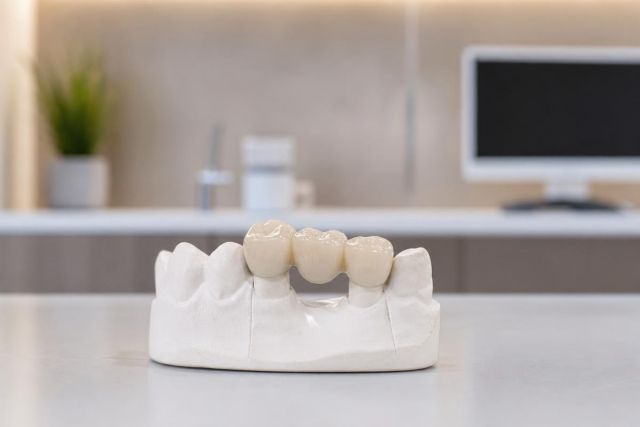
Dental bridges are a common restorative option used to replace missing teeth, improving both functionality and aesthetics. However, these procedures can be costly and are not always included in public dental coverage. Understanding how the Canadian Dental Care Plan works and what it covers can help you navigate your options and plan your dental care more effectively.
If you are considering dental bridges, gaining clarity on your insurance benefits is crucial. This article explains how dental coverage generally functions under the Canadian Dental Care Plan, clarifies the coverage status of dental bridges, and outlines factors that influence insurance decisions. It also explores alternative funding options and offers guidance on steps to take if you plan to pursue dental bridges.
Restore Damaged or Missing Teeth With Crowns and Bridges
Answer a few short questions and HealthNode will help you connect with the right restorative or cosmetic dentist.
Crown, Bridge, or Replacement Needs
This helps us understand whether a crown, bridge, implant, or another treatment may be more suitable.
Dental Health Check
A few details help the dentist understand whether any treatment is needed before placing a crown or bridge.
Contact information
Your information is only used to contact you and is never shared with third parties.
Your request has been received!
Thank you. If you have dental X-rays, panoramic X-ray, CBCT scan, root canal records, previous crown or bridge records, treatment plans, or dental photos, please keep them ready. A HealthNode consultant will guide you through the next step.
How Dental Coverage Works Under the Canadian Dental Care Plan
The Canadian Dental Care Plan is designed to provide basic dental benefits to eligible individuals, often focusing on preventive and essential treatments to maintain oral health. Typical services covered include routine examinations, cleanings, fillings, and extractions. The plan aims to improve access to dental care but does not automatically cover all types of dental treatments.
Coverage levels and specific treatments included can vary by province and individual circumstances, often depending on age, income, or health status. While some restorative procedures may be partially covered, the plan generally excludes expensive or elective dental work. Dental bridges, being a restorative procedure that replaces missing teeth, often fall outside the scope of standard basic coverage.
Insurance benefits under the Canadian Dental Care Plan are structured to alleviate financial barriers to necessary dental care, but patients should carefully review their plan details. Understanding what treatments are covered helps avoid unexpected costs and allows you to make informed decisions about your dental health.
Are Dental Bridges Covered by the Canadian Dental Care Plan?
Dental bridges are typically not covered under the Canadian Dental Care Plan's standard coverage options. Since dental bridges are considered a restorative treatment, they are often categorized as non-essential or elective by many provincial plans and public dental insurance programs.
Some private dental insurance plans may offer partial coverage for dental bridges, but this varies widely depending on the insurer and the specific policy. Coverage can also depend on whether the bridge is deemed medically necessary by a dental professional. For example, if a dental bridge is required to restore chewing function or prevent shifting of adjacent teeth, some plans might consider limited coverage.
It's important to note that even when coverage exists, it may only cover a portion of the cost, requiring patients to pay out of pocket for the remainder. Confirming your individual insurance benefits directly with your provider is essential before proceeding with dental bridge treatment.
Factors That Affect Coverage for Dental Bridges in Canada
Several factors influence whether dental bridges receive coverage under Canadian dental insurance plans. First, the type of dental plan you have plays a significant role. Public dental care plans often have strict limitations and may exclude bridges, while private insurance plans might offer broader coverage options.
Second, insurance companies typically consider the dental necessity of the bridge. If the procedure is essential for maintaining oral function or preventing further dental issues, it may be more likely to receive approval. Cosmetic reasons alone usually do not justify coverage.
Third, specific exclusions and plan limitations can affect eligibility. Some plans may impose waiting periods, annual maximums, or restrict coverage to certain types of dental prosthetics. Understanding these criteria helps you anticipate coverage and prepare for potential out-of-pocket expenses.
Because policies vary, reviewing your insurance contract carefully and consulting with your dental provider can clarify if your dental bridge treatment might be covered.
Alternative Funding Options for Dental Bridges in Canada
If your insurance plan does not cover dental bridges, there are other ways to finance this important restorative treatment. Many dental clinics offer payment plans that allow you to spread the cost over several months or years, making the procedure more affordable.
Dental discount plans or membership programs can also reduce the cost of dental services, including bridges. These plans typically involve paying an annual fee in exchange for discounted rates on treatments.
Some patients also explore financing through healthcare credit cards or personal loans designed for medical expenses. These options can provide immediate access to dental care while managing payments over time.
Discussing these alternatives with your dental office can help you find a funding solution that fits your budget and ensures you receive the dental care you need.
Next Steps for Patients Considering Dental Bridges and Insurance Coverage
To move forward with dental bridges, start by verifying your insurance coverage details directly with your provider. Request information about what restorative treatments are included and any applicable limits or exclusions.
Consulting with a dental professional is equally important. Your dentist can assess your oral health needs, discuss treatment options, and provide documentation that may support insurance claims. This collaboration can improve your chances of coverage if the procedure is medically necessary.
Keep detailed records of all communications with your insurance company and dental office. This documentation helps resolve any coverage issues or appeals.
Consider alternative financing options if insurance does not cover the procedure. Planning ahead ensures you can access necessary dental care without unexpected financial strain.
Restore Damaged or Missing Teeth With Crowns and Bridges
Answer a few short questions and HealthNode will help you connect with the right restorative or cosmetic dentist.
Crown, Bridge, or Replacement Needs
This helps us understand whether a crown, bridge, implant, or another treatment may be more suitable.
Dental Health Check
A few details help the dentist understand whether any treatment is needed before placing a crown or bridge.
Contact information
Your information is only used to contact you and is never shared with third parties.
Your request has been received!
Thank you. If you have dental X-rays, panoramic X-ray, CBCT scan, root canal records, previous crown or bridge records, treatment plans, or dental photos, please keep them ready. A HealthNode consultant will guide you through the next step.
Frequently Asked Questions
Q: Does the Canadian Dental Care Plan cover dental bridges fully?
A: No, the Canadian Dental Care Plan generally does not fully cover dental bridges. Coverage depends on the specific plan and whether the treatment is considered medically necessary. It is important to check your individual insurance policy for details.
Q: Can private dental insurance in Canada cover dental bridges?
A: Some private dental insurance plans may offer partial coverage for dental bridges depending on the policy terms. Coverage varies widely, so you should review your insurance benefits or contact your provider directly for accurate information.
Q: What should I do if my dental insurance does not cover bridges?
A: If your insurance does not cover dental bridges, consider payment plans offered by dental offices, dental discount programs, or financing options like healthcare credit cards. Discuss these alternatives with your dental provider to find a solution that fits your budget.
Q: How can I confirm if my dental bridge treatment is medically necessary?
A: Consult with a licensed dental professional who can evaluate your oral health and determine if a dental bridge is medically necessary to restore function or prevent further dental issues. Their assessment may support your insurance claim for coverage.
Q: Are there exclusions in Canadian dental plans that affect bridge coverage?
A: Yes, many Canadian dental plans exclude certain restorative treatments like dental bridges or impose limits such as waiting periods and maximum coverage amounts. Reviewing your plan details is essential to understand these exclusions.
The information provided is for educational purposes only and does not constitute medical advice. Always consult with a healthcare professional for medical guidance specific to your situation.