Quick Answer
Dentists assess whether teeth are strong enough to support a bridge by evaluating the health and structural integrity of the potential abutment teeth, gums, and jawbone through clinical examination, medical history review, and diagnostic imaging. They ensure the teeth can withstand chewing forces and have adequate bone and gum support before recommending bridge placement.
- Dentists review dental and medical history to identify factors affecting bridge success.
- A clinical examination checks for decay, cracks, and overall tooth condition.
- Visual and tactile inspections assess tooth strength and detect hidden damage.
- Healthy gums and sufficient jawbone support are crucial for stable bridge anchorage.
- Diagnostic imaging like X-rays and CT scans reveal internal tooth and bone conditions.
- Additional treatments may be needed to strengthen teeth or gums before placing a bridge.
- Patient-specific factors such as oral hygiene and health influence the final treatment decision.
How Do Dentists Assess Whether Teeth Are Strong Enough to Support a Bridge?
Dentists determine whether your teeth are strong enough to support a dental bridge through a comprehensive evaluation of your oral health and the structural integrity of the potential supporting teeth. This assessment includes examining your dental history, performing a clinical examination, checking the condition of the teeth and surrounding tissues, and using diagnostic imaging to view the internal structures. The goal is to ensure that the teeth chosen as anchors, or abutments, can withstand the forces exerted by the bridge and maintain long-term stability.
A dental bridge replaces one or more missing teeth by anchoring to adjacent teeth, so the strength and health of these abutment teeth are critical. Without proper support, the bridge could fail or cause further damage. Dentists carefully review your medical and dental background to identify factors that might affect treatment success. They also assess the condition of your gums and jawbone because these structures provide essential support for the bridge.
By thoroughly evaluating these elements, dentists can recommend the most suitable treatment approach for you, whether that means proceeding directly with a bridge or addressing underlying issues beforehand. This personalized assessment helps optimize outcomes and protect your oral health over time.
Restore Damaged or Missing Teeth With Crowns and Bridges
Answer a few short questions and HealthNode will help you connect with the right restorative or cosmetic dentist.
Crown, Bridge, or Replacement Needs
This helps us understand whether a crown, bridge, implant, or another treatment may be more suitable.
Dental Health Check
A few details help the dentist understand whether any treatment is needed before placing a crown or bridge.
Contact information
Your information is only used to contact you and is never shared with third parties.
Your request has been received!
Thank you. If you have dental X-rays, panoramic X-ray, CBCT scan, root canal records, previous crown or bridge records, treatment plans, or dental photos, please keep them ready. A HealthNode consultant will guide you through the next step.
Initial Examination and Medical History Review
Your dentist begins the assessment by reviewing your dental and medical history, which offers valuable information about your overall oral health and any underlying conditions that could affect bridge placement. This includes previous dental treatments, history of gum disease, tooth decay, and any systemic health issues such as diabetes or osteoporosis that might impact healing and bone integrity.
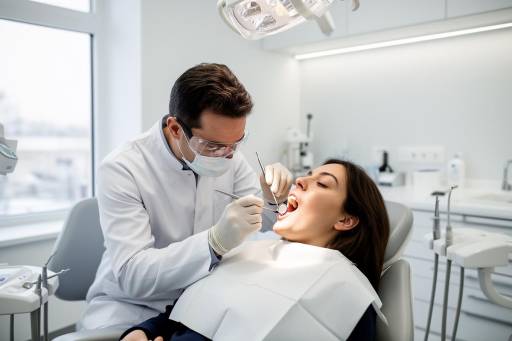
Following the history review, a clinical examination is conducted to evaluate your mouth's current state. The dentist inspects your teeth, gums, and bite to identify any visible problems like cavities, cracks, or signs of infection. This hands-on assessment provides a baseline understanding of your oral health and highlights areas that need attention before considering a bridge.
This step is crucial because some health issues or untreated dental problems could compromise the success of a dental bridge. By carefully analyzing your history and performing a thorough examination, your dentist sets the foundation for making an informed and safe treatment plan.
Evaluating Tooth Strength Through Visual and Tactile Inspection
After the initial review, dentists perform a detailed visual and tactile inspection of the teeth proposed to support the bridge. They look for signs of tooth decay, cracks, or existing restorations like fillings or crowns that might weaken the tooth's structure.
Using dental instruments, the dentist gently probes the teeth to check for sensitivity or areas of softness that indicate decay beneath the surface. They also evaluate the extent of wear and whether the teeth have enough healthy enamel and dentin to withstand the stress of supporting a bridge.
Cracks or fractures are particularly important to identify because they can lead to tooth failure under the pressure of chewing with a bridge. Teeth with significant damage may require treatment such as root canal therapy or crowns before they can reliably serve as abutments. This hands-on inspection helps ensure that only suitably strong teeth are selected for bridge support, reducing the risk of complications.
Assessing Bone Support and Gum Health for Bridge Support
Strong abutment teeth depend not only on their own structure but also on healthy gums and sufficient jawbone support. Dentists carefully evaluate the density and volume of the underlying bone because it anchors the teeth firmly in place.
Gum health is assessed by checking for inflammation, pocket depths, and signs of periodontal disease, which can weaken the foundations of the teeth. If gums are unhealthy, the risk of bridge failure increases significantly as the support structures may deteriorate over time.
Bone loss around the abutment teeth can also compromise their stability. In some cases, bone grafting procedures might be necessary to rebuild enough support before placing a bridge. Ensuring both gum and bone health is essential for a durable and successful dental bridge that functions well and lasts.
Diagnostic Imaging and Tests for Structural Evaluation
To gain a deeper understanding of the internal condition of your teeth and jawbone, dentists use diagnostic imaging such as X-rays or, in some cases, CT scans. These images reveal the roots of the teeth, bone levels, and any hidden issues that might not be visible during a clinical exam.
X-rays can detect decay under existing restorations, root infections, or bone loss around the teeth. CT scans provide a three-dimensional view of the jawbone, helping dentists assess the quality and quantity of bone available to support the bridge.
This imaging is critical for precise treatment planning because it ensures that the abutment teeth and supporting structures are adequate to bear the load of a bridge. Without these detailed images, unseen problems could lead to bridge failure or complications after placement.
Determining the Need for Additional Treatments Before Bridge Placement
If the assessment reveals issues such as decay, infection, or insufficient bone support, your dentist may recommend additional treatments to strengthen the teeth or surrounding tissues before placing a bridge. These preparatory steps improve the chances of long-term success.
Common treatments include fillings or crowns to repair damaged teeth, root canal therapy to treat infected pulp tissue, and periodontal therapy to improve gum health. In cases of significant bone loss, bone grafting may be advised to rebuild the jawbone.
Addressing these conditions before bridge placement helps create a stable foundation. Skipping these steps can increase the risk of bridge failure or damage to the abutment teeth. Your dentist will tailor the treatment plan to your specific needs based on the assessment findings.
Patient Factors and Final Decision-Making Process
Beyond the clinical findings, your dentist considers individual factors such as your age, overall health, oral hygiene habits, and lifestyle when deciding if a bridge is the best option. These elements influence healing capacity and how well you can maintain the bridge long-term.
For example, patients with good oral hygiene and no active gum disease are more likely to succeed with a bridge. Conversely, certain medical conditions or habits like smoking may increase risks and require alternative solutions or extra care.
This personalized approach ensures that treatment recommendations align with your unique situation and goals. By weighing all factors, your dentist can guide you toward the safest and most effective option for tooth replacement.
Restore Damaged or Missing Teeth With Crowns and Bridges
Answer a few short questions and HealthNode will help you connect with the right restorative or cosmetic dentist.
Crown, Bridge, or Replacement Needs
This helps us understand whether a crown, bridge, implant, or another treatment may be more suitable.
Dental Health Check
A few details help the dentist understand whether any treatment is needed before placing a crown or bridge.
Contact information
Your information is only used to contact you and is never shared with third parties.
Your request has been received!
Thank you. If you have dental X-rays, panoramic X-ray, CBCT scan, root canal records, previous crown or bridge records, treatment plans, or dental photos, please keep them ready. A HealthNode consultant will guide you through the next step.
Frequently Asked Questions
Q: What makes a tooth suitable to support a dental bridge?
A: A tooth suitable to support a dental bridge must be healthy, free from significant decay or cracks, and have enough structure to bear chewing forces. It should also have stable gum and bone support to ensure long-term durability.
Q: Why do dentists use X-rays before placing a bridge?
A: Dentists use X-rays to view the internal structures of teeth and jawbone, detecting hidden decay, infections, or bone loss that could affect bridge stability. This imaging helps in planning a safe and effective bridge placement.
Q: Can damaged teeth be strengthened to support a bridge?
A: Yes, damaged teeth can often be restored with treatments like fillings, crowns, or root canal therapy to provide a strong foundation for a bridge. Your dentist will recommend these treatments based on the tooth's condition.
Q: How does gum health impact the success of a dental bridge?
A: Healthy gums are essential to support the teeth and maintain a stable environment for the bridge. Gum disease can lead to bone loss and tooth instability, increasing the risk of bridge failure.
Q: Are there alternatives if teeth are not strong enough for a bridge?
A: If teeth are unsuitable for a bridge, alternatives include dental implants or removable partial dentures. Your dentist can help determine the best option based on your oral health and preferences.
The information provided is for educational purposes only and does not constitute medical advice. Always consult with a healthcare professional for medical guidance specific to your situation.