Quick Answer
Dentists match a single front tooth crown to natural teeth by carefully selecting the crown's color, translucency, and texture using shade guides, digital tools, and patient feedback to ensure a seamless and natural appearance.
- Front tooth crowns require precise aesthetic matching due to their high visibility and impact on smile confidence.
- Dentists use traditional shade guides and advanced digital color matching devices to capture subtle variations in tooth color.
- Patient involvement is important for selecting the best shade and confirming satisfaction with trial crowns or images.
- Crown materials like porcelain and modern zirconia are preferred for their natural translucency and light reflection properties.
- Customization includes layering materials, applying stains or glazes, and polishing to replicate natural tooth characteristics.
- Dentists assess crowns under different lighting conditions and may use temporary crowns for further adjustments.
- Challenges in matching crowns are addressed through multiple tools, laboratory collaboration, and patient education about lighting effects.
How Do Dentists Match a Single Front Tooth Crown to Natural Teeth?
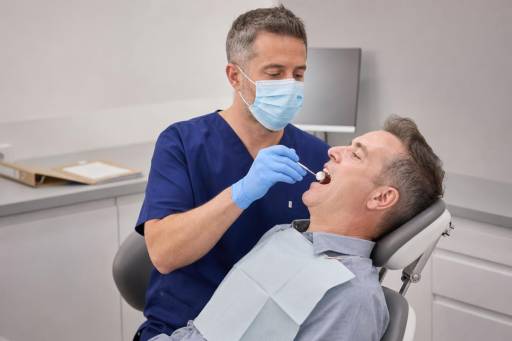
Dentists achieve a natural appearance for a single front tooth crown by carefully matching its color, translucency, and texture to your surrounding teeth. This process involves precise color matching techniques, selecting suitable crown materials, and customizing the crown through adjustments during and after placement. The goal is to ensure the crown blends seamlessly with your natural teeth, preserving your smile's harmony and your confidence.
The front teeth are highly visible when you speak or smile, so any mismatch can be noticeable and affect your self-esteem. Aesthetic matching goes beyond simple color selection; it considers subtle variations in tooth shade, brightness, and surface characteristics. Dentists use advanced tools and patient feedback to guide the creation of a crown that looks and feels like your natural tooth.
Matching a front tooth crown is a detailed clinical process. It starts with assessing your natural teeth and involves collaboration between you, your dentist, and the dental laboratory. Understanding how this matching is done can help you feel more comfortable and informed about your treatment.
Restore Damaged or Missing Teeth With Crowns and Bridges
Answer a few short questions and HealthNode will help you connect with the right restorative or cosmetic dentist.
Crown, Bridge, or Replacement Needs
This helps us understand whether a crown, bridge, implant, or another treatment may be more suitable.
Dental Health Check
A few details help the dentist understand whether any treatment is needed before placing a crown or bridge.
Contact information
Your information is only used to contact you and is never shared with third parties.
Your request has been received!
Thank you. If you have dental X-rays, panoramic X-ray, CBCT scan, root canal records, previous crown or bridge records, treatment plans, or dental photos, please keep them ready. A HealthNode consultant will guide you through the next step.
The Importance of Aesthetic Precision in Front Tooth Crowns
The front teeth play a critical role in your smile's appearance and overall facial aesthetics. Because they are highly visible, any discrepancy in color or shape between a crown and your natural teeth can be easily noticed. This can impact your smile confidence and how you feel about your appearance.
Aesthetic precision in front tooth crowns helps maintain the natural look of your teeth. Dentists strive to replicate the natural tooth's color gradations, translucency, and surface texture so the crown does not stand out. Achieving this level of detail requires skill and attention to subtle color differences that vary from person to person.
Dental aesthetics is not just about matching a single shade but ensuring the crown harmonizes with your entire smile. This includes considering how light interacts with the crown and adjacent teeth during different conditions, like indoor lighting or sunlight. A well-matched crown supports a natural, confident smile that feels comfortable to you and looks authentic to others.
Color Matching Techniques for Seamless Dental Crowns
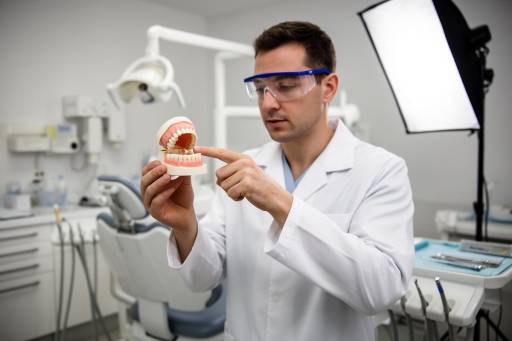
Dentists use several techniques to match the crown color closely to your natural teeth. Shade guides are a traditional tool consisting of standardized color tabs that help dentists select the closest shade under good lighting conditions. These guides include variations in hue, chroma, and value to capture the complexity of natural tooth colors.
Advances in technology have introduced digital color matching devices that analyze the tooth color scientifically. These instruments reduce subjectivity and can detect subtle color differences invisible to the naked eye. They provide a digital readout that guides laboratory technicians in fabricating the crown.
Patient involvement is also vital. Your input on which shade looks best helps the dentist and technician fine-tune the match. Dentists may show you trial crowns or digital images to confirm your satisfaction before finalizing the restoration. This collaborative approach improves the chances of achieving a seamless appearance that you feel confident about.
Choosing the Right Material for Natural-Looking Crowns
The material of the crown greatly influences how well it mimics natural teeth. Porcelain crowns have been a popular choice due to their excellent translucency and ability to replicate the light reflection properties of enamel. They provide a very natural look but can be more fragile than some alternatives.
Zirconia crowns offer superior strength and durability while maintaining good aesthetic qualities. Modern zirconia materials are more translucent than older versions, allowing them to blend more naturally with adjacent teeth. They are especially useful for patients who require a long-lasting restoration without sacrificing appearance.
Composite resin crowns are another option. While less durable than porcelain or zirconia, composites can be color-matched effectively and adjusted easily during placement. The choice depends on your dental needs, aesthetic goals, and the position of the tooth. Your dentist will discuss which material best suits your situation to achieve the most natural and durable outcome.
Techniques for Customizing and Adjusting Dental Crowns
Customization starts in the dental laboratory, where skilled technicians layer porcelain or ceramic materials to mimic natural tooth characteristics. They replicate subtle color variations, translucency gradients, and surface textures. This artistry is essential for matching the complex appearance of natural teeth.
During your dental appointment, the dentist may make additional shade adjustments by applying stains or glazes to the crown surface. These fine-tuning steps help correct minor color differences that appeared after initial fabrication.
Final polishing enhances the crown's luster and smoothness, matching the natural enamel's reflective qualities. Dentists also check the crown under different lighting conditions to ensure consistency. If necessary, temporary crowns may be used for trial, allowing further refinements before permanent placement. This comprehensive process aims to create a crown indistinguishable from your natural teeth.
Patient Involvement and Expectations in Crown Matching
Your participation is crucial in achieving a satisfying crown match. Open communication with your dentist about your aesthetic preferences and concerns helps guide the color selection and customization process. Dentists often encourage you to view shade samples or try temporary crowns to provide feedback.
Setting realistic expectations is important. While dental technology is advanced, perfect replication of natural teeth can be challenging due to individual variations and lighting effects. Your dentist will explain what can be achieved and discuss any limitations.
Understanding the process and maintaining dialogue throughout treatment reduces surprises and improves satisfaction. Your feedback during fitting appointments allows for adjustments that enhance the final appearance. Being an active partner in your dental care helps ensure the crown meets your aesthetic goals.
Common Challenges and How Dentists Overcome Them in Matching Crowns
Matching a crown to natural teeth can present several challenges. One common issue is color discrepancies caused by differences in tooth translucency, underlying tooth color, or lighting conditions. These factors make matching complex and require careful assessment.
Dentists overcome these challenges by using multiple shade guides, digital tools, and photographic documentation to capture accurate color information. They may also involve the dental laboratory in reviewing color data to ensure precise fabrication.
Technical solutions include layering materials with different optical properties and adjusting surface textures to mimic natural teeth. Sometimes, additional staining or glazing after crown fabrication helps correct minor mismatches. Dentists also educate patients about environmental factors that can affect color perception, helping set appropriate expectations and ensuring satisfaction with the final result.
Restore Damaged or Missing Teeth With Crowns and Bridges
Answer a few short questions and HealthNode will help you connect with the right restorative or cosmetic dentist.
Crown, Bridge, or Replacement Needs
This helps us understand whether a crown, bridge, implant, or another treatment may be more suitable.
Dental Health Check
A few details help the dentist understand whether any treatment is needed before placing a crown or bridge.
Contact information
Your information is only used to contact you and is never shared with third parties.
Your request has been received!
Thank you. If you have dental X-rays, panoramic X-ray, CBCT scan, root canal records, previous crown or bridge records, treatment plans, or dental photos, please keep them ready. A HealthNode consultant will guide you through the next step.
Frequently Asked Questions
Q: How accurate is color matching for dental crowns?
A: Color matching has advanced significantly with digital tools and skilled technicians, achieving very close matches to natural teeth. However, slight variations can still occur due to lighting or individual tooth characteristics. Dentists work to minimize these differences through customization and patient feedback.
Q: Can the color of a dental crown be changed after placement?
A: Minor color adjustments can sometimes be made using surface stains or polishing techniques during fitting appointments. However, significant color changes usually require crown replacement. It is important to finalize color selection carefully before permanent placement.
Q: Are some crown materials better for matching front teeth?
A: Porcelain and modern zirconia crowns are favored for front teeth because they offer excellent aesthetic qualities like translucency and natural light reflection. Composite crowns can also be matched well but may not be as durable or lifelike as porcelain or zirconia.
Q: How involved should I be in choosing my crown shade?
A: Your involvement is vital. Sharing your preferences and providing feedback during shade selection and trial fittings helps the dentist and lab create a crown that meets your expectations. Clear communication improves the likelihood of a satisfying aesthetic outcome.
Q: What if my crown looks different in various lighting conditions?
A: Natural teeth and crowns can appear slightly different under various lighting, such as sunlight versus indoor light. Dentists evaluate shade matching under multiple lighting conditions to ensure consistency, but some variation is normal and not usually noticeable in everyday settings.
The information provided is for educational purposes only and does not constitute medical advice. Always consult with a healthcare professional for medical guidance specific to your situation.