Quick Answer
The total cost of a dental bridge is calculated based on factors such as the type of bridge, materials used, laboratory fees, geographic location, and any additional dental procedures required. Insurance coverage and payment options also influence the final out-of-pocket expense.
- Dental bridge costs vary depending on the type of bridge chosen, including traditional, cantilever, Maryland, and implant-supported bridges.
- Materials like porcelain fused to metal, all-ceramic, all-porcelain, and metal alloys affect the price due to differences in durability and aesthetics.
- Laboratory fees for custom fabrication and geographic location significantly impact the overall cost of a dental bridge.
- Additional dental treatments such as extractions or root canals before bridge placement can increase the total expense.
- Obtaining a detailed, itemized cost estimate from a dentist helps in understanding all fees involved and avoiding surprises.
- Dental insurance may cover part of the cost, but coverage varies widely and should be verified with the provider.
- Follow-up visits, maintenance, and potential repairs are additional costs to consider beyond the initial procedure.
How Is the Total Cost of a Dental Bridge Calculated?
The total cost of a dental bridge is determined by multiple factors including the type of bridge, the materials used, laboratory fees, geographic location, and any additional procedures required. These elements combine to influence the final price you can expect when considering this tooth replacement option. Understanding these cost components helps you prepare financially and make informed choices about your dental care.
Dental bridges serve as a common solution to replace missing teeth by anchoring artificial teeth to adjacent natural teeth or implants. Since there are different types of bridges and materials available, each with their own price points, the cost can vary widely. Geographic factors and the complexity of your dental situation also play significant roles in pricing.
Knowing what affects the overall cost empowers you to discuss your treatment plan and payment options with your dentist more effectively. This knowledge is particularly valuable if you are budget-conscious or considering dental care across different countries or providers. Your dental bridge cost will reflect both your personalized treatment needs and broader market factors.
Restore Damaged or Missing Teeth With Crowns and Bridges
Answer a few short questions and HealthNode will help you connect with the right restorative or cosmetic dentist.
Crown, Bridge, or Replacement Needs
This helps us understand whether a crown, bridge, implant, or another treatment may be more suitable.
Dental Health Check
A few details help the dentist understand whether any treatment is needed before placing a crown or bridge.
Contact information
Your information is only used to contact you and is never shared with third parties.
Your request has been received!
Thank you. If you have dental X-rays, panoramic X-ray, CBCT scan, root canal records, previous crown or bridge records, treatment plans, or dental photos, please keep them ready. A HealthNode consultant will guide you through the next step.
Types and Materials of Dental Bridges: What You Need to Know
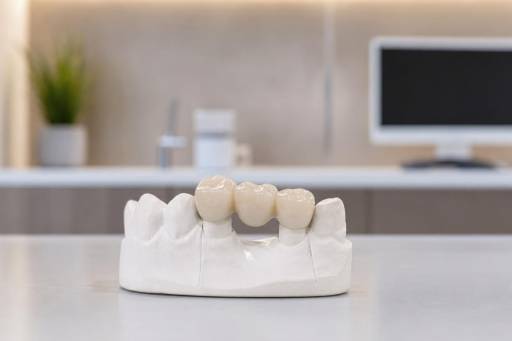
Dental bridges come in several types, each suited to different clinical situations and impacting the overall cost. Common types include traditional bridges, cantilever bridges, Maryland bridges, and implant-supported bridges. Traditional bridges use crowns on adjacent teeth to support the replacement tooth, often suitable when you have strong neighboring teeth. Cantilever bridges attach to a single adjacent tooth, while Maryland bridges employ a metal or porcelain framework bonded to the back of adjacent teeth. Implant-supported bridges use dental implants as anchors instead of natural teeth, generally costing more due to the surgical component.
The materials used for the bridge also affect the price. Porcelain fused to metal is a popular choice balancing durability and aesthetics. All-ceramic or all-porcelain bridges offer superior appearance but can be pricier. Metal alloys provide strength and longevity but may be less visually appealing. Your dentist will recommend the best material based on your oral health needs, smile goals, and budget.
Each type of dental bridge and material selection carries different cost implications because of manufacturing complexity, materials expense, and procedure time. For example, implant-supported bridges involve surgical fees and longer treatment duration, increasing total costs. Understanding these options helps you weigh the benefits and expenses to find the right fit for your dental restoration needs.
Factors Influencing the Total Cost of a Dental Bridge
Several key factors contribute to the total cost of a dental bridge procedure beyond just the choice of type and materials. Laboratory fees for custom fabrication of the bridge components can vary depending on the complexity and the technology used. High-quality dental labs with advanced techniques typically charge more, which reflects in the final price.
Geographic location plays a significant role in cost variation. Urban centers and regions with higher living costs tend to have elevated dental fees compared to smaller towns or countries with lower healthcare expenses. This geographic cost difference is especially relevant if you are considering dental tourism or treatment abroad.
Additional factors include the need for preliminary dental work such as tooth extractions, root canals, or gum treatment before the bridge placement. The complexity of your dental situation, including the number of teeth involved and the health of surrounding teeth, also influences the price. Your dentist’s experience and clinic reputation may affect fees as well.
Understanding these cost influences allows you to anticipate the range of expenses you might face. It also highlights the importance of obtaining a detailed treatment plan and pricing estimate from your dental provider.
How to Get an Accurate Cost Estimate for Your Dental Bridge
Getting an accurate cost estimate for your dental bridge starts with a thorough consultation with a qualified dentist. Your dentist will evaluate your oral health, discuss your treatment goals, and recommend the most suitable type of bridge and materials. This personalized assessment forms the basis for a detailed cost breakdown.
Ask your dentist to provide an itemized estimate that includes fees for the bridge fabrication, any preparatory treatments, laboratory charges, and follow-up visits. Request clarification on what is included in the quoted price and identify any potential additional expenses. This transparency helps you avoid surprises later.
Comparing prices from multiple reputable dental providers can also help you gauge the market rate and make an informed decision. Keep in mind that the lowest price does not always equal the best value; consider provider experience, quality of materials, and patient reviews.
Being proactive in your questions and comparisons empowers you to plan your budget effectively and choose a treatment plan that fits both your dental needs and financial situation.
Insurance and Payment Options for Dental Bridges
Dental insurance coverage for bridges varies widely depending on your plan. Many policies cover a portion of the procedure costs, especially if the treatment is medically necessary rather than purely cosmetic. However, coverage limits, deductibles, and copayments differ, so it is important to review your insurance benefits carefully.
You can contact your insurance provider directly or ask your dentist’s office to assist with verifying coverage and estimating your out-of-pocket costs. Some dental clinics offer payment plans or financing options that allow you to spread the cost over time without significant interest.
These options can make dental bridge treatment more affordable and manageable, especially if upfront payment is a concern. Additionally, some patients explore dental tourism as a cost-saving measure while ensuring quality care abroad.
Understanding your insurance and payment choices helps you plan financially and avoid unexpected expenses during your dental bridge treatment journey.
Additional Costs to Consider Beyond the Procedure
Beyond the initial dental bridge placement, consider potential additional costs that may arise over time. Follow-up visits are common to check the fit and function of the bridge and to make any necessary adjustments. These appointments may involve extra fees depending on your provider’s policies.
Maintenance costs are another factor. Proper oral hygiene and regular dental cleanings help prolong the lifespan of your bridge but sometimes repairs or replacements become necessary due to wear or damage. These expenses can add up, so understanding your bridge’s durability and warranty details is helpful.
If complications such as decay of supporting teeth or gum disease occur, additional treatments may be needed, increasing overall costs. Planning for these possibilities ensures you are financially prepared for the full scope of care associated with dental bridges.
Discuss with your dentist what ongoing care and potential expenses you might expect so you can maintain your dental health while managing your budget effectively.
Frequently Asked Questions
Q: What factors determine the price of a dental bridge?
Restore Damaged or Missing Teeth With Crowns and Bridges
Answer a few short questions and HealthNode will help you connect with the right restorative or cosmetic dentist.
Crown, Bridge, or Replacement Needs
This helps us understand whether a crown, bridge, implant, or another treatment may be more suitable.
Dental Health Check
A few details help the dentist understand whether any treatment is needed before placing a crown or bridge.
Contact information
Your information is only used to contact you and is never shared with third parties.
Your request has been received!
Thank you. If you have dental X-rays, panoramic X-ray, CBCT scan, root canal records, previous crown or bridge records, treatment plans, or dental photos, please keep them ready. A HealthNode consultant will guide you through the next step.
A: The price depends on the type of bridge, materials used, laboratory fees, geographic location, and the complexity of the case.
Q: Does dental insurance cover the cost of a dental bridge?
A: Coverage varies by plan, but many dental insurance policies cover part of the cost. It's best to check with your provider for specific details.
Q: Are there cheaper alternatives to traditional dental bridges?
A: Yes, options like dental implants or removable partial dentures may be less expensive, depending on individual circumstances.
Q: How can I get an accurate estimate for my dental bridge?
A: Consult with a qualified dentist who can evaluate your case and provide a detailed cost estimate, including all potential fees.
Q: What should I ask my dentist about the costs involved?
A: Ask about the breakdown of costs, what is included, payment options, and whether there are financing plans available.
A: Potential additional costs include follow-up visits, adjustments, and maintenance, which should be clarified beforehand.
The information provided is for educational purposes only and does not constitute medical advice. Always consult with a healthcare professional for medical guidance specific to your situation.