Quick Answer
Decay under a dental crown can cause tooth pain, sensitivity, and infection, compromising the tooth and crown integrity. Early detection and treatment by a dentist are essential to prevent further damage and preserve oral health.
- Decay under a crown often causes sensitivity to temperature and discomfort when biting.
- Bacteria can accumulate around crown edges or beneath it if oral hygiene is poor or the crown fits improperly.
- Decay beneath a crown is detected through clinical examination and dental X-rays.
- Treatment usually involves removing the crown, cleaning decay, and possibly root canal therapy before placing a new crown.
- Good oral hygiene, regular dental visits, and avoiding sugary or acidic foods help prevent decay under crowns.
- Ignoring decay under a crown can lead to infection, tooth damage, or tooth loss requiring more complex treatments.
- Prompt dental evaluation is important if symptoms like pain, sensitivity, or changes in a crowned tooth occur.
What Happens if the Tooth Under a Crown Develops Decay?
Decay under a dental crown is a common dental issue that can lead to significant problems if left untreated. It often results in symptoms such as tooth pain, increased sensitivity, and, in severe cases, infection. When the tooth beneath a crown develops decay, it compromises not only the integrity of the tooth itself but also the fit and function of the crown, potentially causing further damage that requires professional dental treatment.
Dental crowns are designed to protect and strengthen damaged or weakened teeth, restoring their shape, size, and function. However, it is important to understand that crowns do not make teeth immune to decay. Bacteria can accumulate around the edges of the crown or even beneath it if oral hygiene is inadequate or if the crown no longer fits properly. This bacterial buildup can lead to decay developing under the crown, which may go unnoticed until symptoms arise.
Recognizing early signs of decay under a crown is crucial to preventing complications such as root infection, abscess formation, or even tooth loss. Symptoms might include sensitivity to temperature changes, discomfort when biting, or changes in the appearance of the crowned tooth.
Restore Damaged or Missing Teeth With Crowns and Bridges
Answer a few short questions and HealthNode will help you connect with the right restorative or cosmetic dentist.
Crown, Bridge, or Replacement Needs
This helps us understand whether a crown, bridge, implant, or another treatment may be more suitable.
Dental Health Check
A few details help the dentist understand whether any treatment is needed before placing a crown or bridge.
Contact information
Your information is only used to contact you and is never shared with third parties.
Your request has been received!
Thank you. If you have dental X-rays, panoramic X-ray, CBCT scan, root canal records, previous crown or bridge records, treatment plans, or dental photos, please keep them ready. A HealthNode consultant will guide you through the next step.
If you have a dental crown and notice any discomfort, sensitivity, or changes in your tooth, it is essential to consult a dentist promptly. Through clinical examination and diagnostic imaging, your dentist can accurately diagnose the problem and recommend appropriate treatment options. Early intervention helps preserve your oral health, maintain the function of the crowned tooth, and avoid more extensive dental procedures in the future.
Signs and Symptoms Indicating Decay Under a Dental Crown
Decay developing under a dental crown often presents with several specific signs and symptoms that may indicate the need for prompt dental evaluation. One of the most common symptoms is increased tooth sensitivity, especially to hot, cold, or sweet foods and beverages. This sensitivity occurs because decay can expose or irritate the dentin beneath the crown.
You might also experience intermittent or persistent toothache localized to the crowned tooth. The pain can range from mild discomfort to sharp or throbbing sensations, particularly when biting or chewing. Discomfort during these activities suggests that the decay may have compromised the tooth structure beneath the crown, affecting its stability.
Another possible sign is swelling or tenderness of the gums surrounding the crowned tooth. This could indicate inflammation or infection resulting from decay spreading beyond the tooth itself. In some cases, you may notice an unpleasant taste or odor, which can be a sign of bacterial activity under the crown.
Because dental crowns cover the visible surface of the tooth, decay underneath may not be immediately visible to you during routine oral care. This makes it especially important to pay attention to any unusual symptoms related to a crowned tooth. Even subtle changes should prompt a visit to your dentist for a professional assessment, as early detection can prevent more serious complications and preserve your tooth.
Why Decay Can Occur Beneath a Crown and How It Is Detected
Decay beneath a dental crown primarily occurs due to plaque buildup around the crown margins or from an improper crown fit. Over time, microscopic gaps can develop between the crown and the natural tooth surface, creating small spaces where bacteria can accumulate and thrive. These bacteria produce acids that erode the tooth structure, leading to decay beneath the crown.
Other contributing factors include inadequate oral hygiene practices, such as insufficient brushing and flossing, which allow plaque and bacteria to persist around the crown. A diet high in sugars and acidic foods or beverages can also increase the risk by promoting bacterial growth and acid attacks on the tooth enamel.
Previous dental conditions that have weakened the tooth, such as large fillings or root canal treatments, may make the tooth more susceptible to decay under a crown. Additionally, if the crown was not properly sealed during placement or if it has become loose or damaged over time, the risk of decay developing beneath it increases significantly.
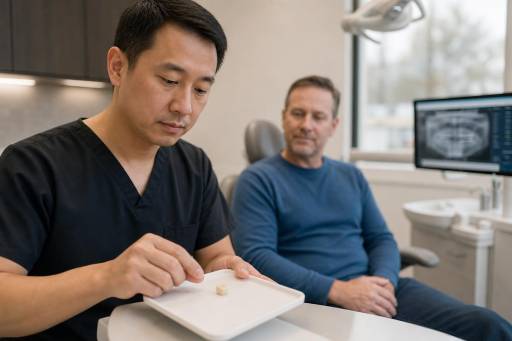
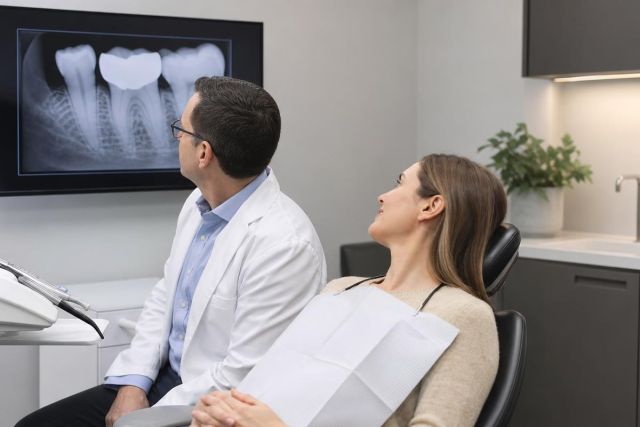
Dentists detect decay under crowns through a combination of clinical examination and dental imaging techniques. During the clinical exam, the dentist looks for signs such as discoloration, tenderness, or gaps around the crown. Dental X-rays are particularly valuable because they reveal decay that is not visible on the surface, allowing the dentist to assess the extent of the problem accurately.
These diagnostic tools enable the dentist to develop an appropriate treatment plan tailored to the severity of the decay and the condition of the underlying tooth. Early detection through regular dental visits is critical to prevent progression of decay and preserve the tooth.
Treatment Options for Decay Under a Dental Crown
When decay is detected beneath a dental crown, timely and appropriate treatment is essential to prevent further damage to the tooth and surrounding tissues. The initial step typically involves removing the existing crown to gain direct access to the decayed area. This allows the dentist to thoroughly clean out the decay and evaluate the health of the underlying tooth structure.
The specific treatment approach depends on the extent of the decay and the condition of the tooth. For minor decay, the dentist may remove the decayed portion and place a new filling to restore the tooth. If the decay has progressed deeper and affected the tooth’s pulp, the innermost part containing nerves and blood vessels, a root canal treatment may be necessary to remove infected tissue and prevent further infection.
After addressing the decay and any necessary root canal therapy, a new crown is usually fabricated and placed to restore the tooth’s function, strength, and appearance. The new crown must fit properly to prevent future gaps where bacteria can enter.
Delaying treatment can result in worsening infection, increased tooth damage, or even tooth fracture, which may necessitate more complex procedures such as tooth extraction and replacement with implants or bridges. Therefore, regular dental visits and prompt attention to symptoms are vital for early intervention.
Your dentist will also provide guidance on maintaining good oral hygiene and care for your crown to minimize the risk of recurrence. Following professional advice and attending routine check-ups significantly improve the chances of preserving your natural tooth and crown for many years.
Preventing Decay Under Dental Crowns for Long-Term Oral Health
Maintaining good oral hygiene is absolutely essential for preventing decay under dental crowns and ensuring long-term oral health. Brushing your teeth at least twice daily with fluoride toothpaste helps to remove plaque, a sticky film of bacteria, and food particles that accumulate around the crown margins and adjacent teeth. Flossing carefully around the crown is equally important, as it cleans the spaces between teeth where a toothbrush cannot reach, reducing the risk of decay starting beneath or next to the crown.
Regular dental check-ups and professional cleanings play a crucial role in early detection and prevention of problems related to crowns. During these visits, your dentist will examine the fit and condition of your crown, checking for any signs of wear, gaps, or damage that could allow bacteria to enter and cause decay. If necessary, adjustments or replacements can be recommended to maintain a proper seal and protect the underlying tooth.
In addition to hygiene practices, lifestyle choices also impact crown longevity. Avoiding frequent consumption of sugary snacks and acidic beverages helps reduce acid attacks on the tooth enamel and crown margins, which can weaken the tooth structure and promote decay. Using an antibacterial mouthwash as part of your oral care routine can further reduce harmful bacteria in the mouth, lowering the risk of decay developing under crowns.
By combining diligent oral hygiene, regular dental care, and mindful dietary habits, you can significantly reduce the chances of decay under dental crowns and maintain your oral health over the long term.
When to See a Dentist About Decay Under a Crown and What to Expect
If you notice any signs such as tooth sensitivity, pain, swelling, or changes in the appearance of a crowned tooth, it is important to schedule a dental appointment promptly. Early evaluation by a dentist can help identify decay or other issues before they lead to more serious complications, such as infection or tooth loss, thereby preserving your natural tooth and crown.
During your dental visit, the dentist will perform a thorough examination of your mouth, paying close attention to the crowned tooth and surrounding tissues. This typically includes taking dental X-rays, which are essential for detecting decay beneath the crown that is not visible to the naked eye. The dentist may also ask detailed questions about your symptoms, dental history, and oral hygiene habits to better understand the situation and guide diagnosis.
Based on the findings, the dentist will discuss treatment options with you. In many cases, this involves removing the crown to gain access to the decayed tooth structure. The decay will be carefully removed, and the underlying tooth assessed for damage. Depending on the severity, the dentist may place a new filling, perform a root canal treatment if the decay has reached the tooth’s pulp, or recommend other restorative procedures.
Restore Damaged or Missing Teeth With Crowns and Bridges
Answer a few short questions and HealthNode will help you connect with the right restorative or cosmetic dentist.
Crown, Bridge, or Replacement Needs
This helps us understand whether a crown, bridge, implant, or another treatment may be more suitable.
Dental Health Check
A few details help the dentist understand whether any treatment is needed before placing a crown or bridge.
Contact information
Your information is only used to contact you and is never shared with third parties.
Your request has been received!
Thank you. If you have dental X-rays, panoramic X-ray, CBCT scan, root canal records, previous crown or bridge records, treatment plans, or dental photos, please keep them ready. A HealthNode consultant will guide you through the next step.
After treating the decay, a new crown or restoration will be placed to restore the tooth’s function and appearance. Your dentist will also provide follow-up care instructions and oral hygiene advice to support healing and help prevent recurrence of decay. Timely dental care and adherence to professional recommendations are key to maintaining the health and longevity of your crowned tooth.
Frequently Asked Questions
Q: What causes decay under a dental crown?
A: Decay under a crown typically results from plaque buildup at the crown margins or gaps between the crown and tooth. Poor oral hygiene and crown fit issues increase this risk.
Q: Can decay under a crown be treated without removing the crown?
A: In many cases, the crown must be removed to properly access and treat decay beneath it. However, minor issues might sometimes be managed without removal, depending on the dentist's evaluation.
Q: How can I prevent decay under my dental crowns?
A: Consistent oral hygiene, including brushing twice daily, flossing around crowns, regular dental visits, and avoiding excessive sugary or acidic foods help prevent decay under crowns.
Q: Is it painful when decay develops under a crown?
A: Decay under a crown can cause sensitivity or pain, especially to temperature changes or biting pressure. However, early decay might not cause symptoms, so regular dental check-ups are important.
Q: What happens if decay under a crown is left untreated?
A: Untreated decay can lead to infection, tooth damage, and possibly tooth loss. It may require more extensive treatments like root canals or extractions, underscoring the importance of early care.
The information provided is for educational purposes only and does not constitute medical advice. Always consult with a healthcare professional for medical guidance specific to your situation.