Quick Answer
The average cost of a dental bridge ranges from about $1,000 to $3,000 per tooth, varying based on the type of bridge, materials used, and location of treatment.
- Dental bridges replace one or more missing teeth and can vary in type, including traditional, cantilever, Maryland bonded, and implant-supported bridges.
- Material choice significantly affects cost, with porcelain bridges generally costing more than metal options like gold alloys.
- Geographic location influences pricing, with urban centers and regions with higher living costs typically charging more.
- Additional expenses can include consultations, X-rays, preparatory treatments like root canals or extractions, and laboratory fees.
- Dental insurance may cover part of the cost, but coverage and out-of-pocket expenses vary widely among plans.
- Patients usually require 2 to 3 dental visits for consultation, preparation, fitting, and placement of the bridge.
- Budgeting should consider all related costs and explore payment plans or financing options to manage expenses effectively.
What Is the Average Cost of a Dental Bridge?
The average cost of a dental bridge typically ranges from about $1,000 to $3,000 per tooth. This price varies based on factors like the type of bridge used, the materials chosen, and where you receive treatment. Understanding these cost components can help you plan financially and select the best option for your dental needs.
Dental bridges are a common restorative treatment used to replace one or more missing teeth. They help restore your smile, improve chewing ability, and maintain the shape of your face. Since dental bridges involve several steps and materials, their costs can differ significantly depending on your location and the complexity of the case.
If you are considering a dental bridge, it is important to know not only the base cost but also the additional expenses and how insurance coverage may affect your out-of-pocket payments. With careful planning and the right questions, you can make informed decisions about your dental care and budget accordingly.
Restore Damaged or Missing Teeth With Crowns and Bridges
Answer a few short questions and HealthNode will help you connect with the right restorative or cosmetic dentist.
Crown, Bridge, or Replacement Needs
This helps us understand whether a crown, bridge, implant, or another treatment may be more suitable.
Dental Health Check
A few details help the dentist understand whether any treatment is needed before placing a crown or bridge.
Contact information
Your information is only used to contact you and is never shared with third parties.
Your request has been received!
Thank you. If you have dental X-rays, panoramic X-ray, CBCT scan, root canal records, previous crown or bridge records, treatment plans, or dental photos, please keep them ready. A HealthNode consultant will guide you through the next step.
Dental Bridges: Types, Materials, and Cost Factors
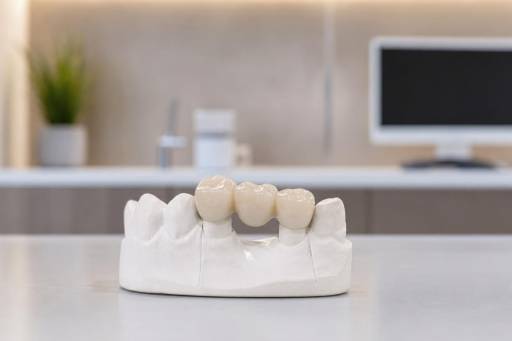
A dental bridge is a fixed prosthetic device that fills the gap left by one or more missing teeth. It typically consists of artificial teeth anchored to adjacent natural teeth or implants. There are several types of dental bridges, including traditional bridges, cantilever bridges, Maryland bonded bridges, and implant-supported bridges. Each type varies in complexity, materials, and price.
Material choice is a significant factor affecting dental bridge cost. Common materials include porcelain fused to metal, all-ceramic, or all-metal options like gold alloys. Porcelain bridges tend to be more aesthetic but can be pricier, while metal bridges may be more durable and cost-effective. The location of the dental practice also plays a role, as urban centers or regions with higher living costs usually have higher dental fees.
Other factors influencing the price include the number of teeth involved in the bridge, the need for preparatory treatments like root canals or extractions, and the dentist's expertise. Geographic location can also affect prices due to varying economic conditions and healthcare regulations in different countries or regions.
Average Cost Breakdown for Dental Bridges in Different Regions
Dental bridge prices vary widely across different countries and even within regions of the same country. For patients considering treatment internationally or comparing local options, understanding regional cost differences is essential.
In the United States and Canada, dental bridges generally cost between $1,000 and $3,000 per tooth. The higher end of this range often reflects advanced materials or complex cases requiring multiple visits. The United Kingdom typically sees similar costs, although public health services may reduce out-of-pocket expenses for eligible patients.
Australia's dental bridge costs are comparable to those in North America and the UK, but prices may fluctuate depending on whether you receive care in a metropolitan area or a rural location. International dental tourism destinations may offer lower prices, but it is important to balance cost savings with quality and safety considerations.
| Region | Average Cost per Tooth | Notes |
|---|---|---|
| United States | $1,000 - $3,000 | Higher costs in urban and specialized clinics |
| Canada | $1,000 - $3,000 | Costs vary by province and insurer |
| United Kingdom | £700 - £2,200 | NHS coverage possible for some cases |
| Australia | AUD 1,200 - AUD 3,500 | Price differences between cities and rural areas |
This table helps illustrate typical ranges, but you should consult local providers for precise pricing based on your treatment needs.
Additional Expenses and Insurance Considerations
When budgeting for a dental bridge, it is important to consider extra costs beyond the bridge itself. These may include initial consultations, dental X-rays, teeth preparation, and follow-up visits to ensure the bridge fits well and functions properly.
Some patients may require additional dental treatments like tooth extractions or root canals before the bridge placement, which can add to the total cost. Laboratory fees for crafting the bridge also contribute, and these fees vary depending on the material and complexity.
Dental insurance coverage can significantly impact your out-of-pocket expenses. Many dental plans cover a portion of the cost for bridges, but coverage limits and patient co-pays vary widely. It is advisable to review your insurance policy carefully and speak with your provider about what procedures and materials are covered.
Understanding the scope of your insurance benefits helps you avoid unexpected expenses and plan your finances accordingly. Some providers also offer payment plans or financing options to spread the cost over time.
How to Budget for a Dental Bridge Procedure
Planning financially for a dental bridge procedure involves more than just knowing the average cost. Setting a realistic budget includes factoring in all associated expenses and exploring payment options.
Start by obtaining a detailed cost estimate from your dental provider that includes all fees related to the bridge and any preparatory or follow-up care. Compare prices from multiple providers if possible to get a sense of the local market rates.
If you have dental insurance, verify the extent of your coverage and any deductibles or maximum payout limits. If insurance is limited or unavailable, consider dental financing plans or medical credit cards that allow you to pay in installments with manageable interest rates.
Saving ahead of time can also help reduce financial stress. Some patients choose to prioritize dental care in their budget, especially when the bridge will improve function and oral health. Open communication with your dentist about costs and payment flexibility can help you find the best financial arrangement.
Questions to Ask Your Dentist About Dental Bridge Costs
Before proceeding with a dental bridge, you should ask your dentist key questions to understand the full financial and treatment picture. Inquire about the total estimated cost, including all procedures and materials.
Ask about the types of bridges available and the cost differences between them. Understanding why one option may be recommended over another can clarify the value of the investment.
Clarify the payment options offered by the practice, such as payment plans or financing. Also, ask how many visits are required and if there are any additional fees for adjustments or follow-ups.
Make sure to discuss how your insurance benefits will be applied and whether the clinic can assist with insurance claims. This proactive approach will help you avoid surprises and prepare for your dental bridge procedure with confidence.
Restore Damaged or Missing Teeth With Crowns and Bridges
Answer a few short questions and HealthNode will help you connect with the right restorative or cosmetic dentist.
Crown, Bridge, or Replacement Needs
This helps us understand whether a crown, bridge, implant, or another treatment may be more suitable.
Dental Health Check
A few details help the dentist understand whether any treatment is needed before placing a crown or bridge.
Contact information
Your information is only used to contact you and is never shared with third parties.
Your request has been received!
Thank you. If you have dental X-rays, panoramic X-ray, CBCT scan, root canal records, previous crown or bridge records, treatment plans, or dental photos, please keep them ready. A HealthNode consultant will guide you through the next step.
Frequently Asked Questions
Q: What is the average cost of a dental bridge?
A: The cost usually ranges between $1,000 and $3,000 per tooth depending on the type and materials used. Prices vary by location and provider.
Q: Does dental insurance cover the cost of a dental bridge?
A: Many dental insurance plans cover part of the cost, but coverage levels differ widely. Contact your insurance provider to confirm what your plan includes.
Q: Are there cheaper alternatives to dental bridges?
A: Alternatives like dental implants or partial dentures may be suitable and sometimes more cost-effective. Your dentist can help determine the best option for you.
Q: How many visits are needed for a dental bridge?
A: Typically, you will need 2 to 3 visits: one for consultation and preparation, and one or two for fitting and placement of the bridge.
Q: What factors influence the total cost of a dental bridge?
A: Key factors include the type of bridge, materials chosen, geographic location, and any additional preparatory dental work required.
The information provided is for educational purposes only and does not constitute medical advice. Always consult with a healthcare professional for medical guidance specific to your situation.