Quick Answer
During a crown or bridge try-in, patients should check that the restoration fits comfortably without causing irritation, matches the color and appearance of their natural teeth, and functions properly with their bite to ensure comfort and long-term success before final placement.
- The restoration should fit securely without feeling loose or causing pressure points or gum irritation.
- Patients should assess the color match under different lighting to ensure the restoration blends naturally with surrounding teeth.
- Proper bite alignment must be verified to avoid discomfort, uneven force, or damage to the restoration and natural teeth.
- Patients should communicate any discomfort, poor fit, or aesthetic concerns to their dentist immediately during the try-in.
- The dentist will check margins for a tight seal to prevent bacterial leakage and tooth decay.
- Patients should avoid eating or applying pressure on the temporary restoration until final cementation.
- Good oral hygiene around the restoration is important during the interim period before final placement.
What Should Patients Check During a Crown or Bridge Try-In?
During a crown or bridge try-in appointment, it is essential to carefully check that your dental restoration fits comfortably, matches the color and appearance of your natural teeth, and functions properly with your bite. Confirming these factors before final cementation helps prevent discomfort, functional issues, and aesthetic concerns after placement, contributing to a successful and satisfying outcome.
Dental crowns and bridges are designed to restore damaged or missing teeth, improving both oral function and appearance. Ensuring they meet your expectations during the try-in appointment allows you and your dentist to verify that the restoration integrates seamlessly with your mouth, feels comfortable, and supports healthy function.
This appointment is a critical opportunity to identify any issues related to fit, color, bite, or comfort. Being proactive during your try-in visit can help avoid costly adjustments later and improve your long-term satisfaction with the restoration.
Restore Damaged or Missing Teeth With Crowns and Bridges
Answer a few short questions and HealthNode will help you connect with the right restorative or cosmetic dentist.
Crown, Bridge, or Replacement Needs
This helps us understand whether a crown, bridge, implant, or another treatment may be more suitable.
Dental Health Check
A few details help the dentist understand whether any treatment is needed before placing a crown or bridge.
Contact information
Your information is only used to contact you and is never shared with third parties.
Your request has been received!
Thank you. If you have dental X-rays, panoramic X-ray, CBCT scan, root canal records, previous crown or bridge records, treatment plans, or dental photos, please keep them ready. A HealthNode consultant will guide you through the next step.
Knowing what to observe, such as how the restoration feels, looks, and works, and what questions to ask will empower you to work closely with your dental team. This collaborative approach ensures that your new crown or bridge not only restores your smile but also enhances your oral health and confidence.
Ensuring the Fit and Comfort of Your Crown or Bridge
A proper fit during your try-in means the crown or bridge should sit securely on your prepared teeth without feeling loose or causing pressure points. You should not experience sharp edges, poking, or irritation to your gums or surrounding soft tissues, as these can lead to discomfort, inflammation, or even injury if not addressed.
Your dentist will carefully examine the margins where the restoration meets your tooth to ensure a tight seal that prevents bacteria from entering and causing decay. This seal is critical for the long-term health of the underlying tooth structure.
You can also gently bite and feel if the restoration feels stable and comfortable throughout different movements of your jaw and during normal activities such as speaking and chewing. The restoration should feel like a natural extension of your teeth without causing soreness or difficulty.
If you notice any discomfort, soreness, or difficulty closing your mouth fully, mention this to your dentist immediately. Poor fit can lead to future pain, gum inflammation, or damage to your natural teeth. Making sure the restoration feels natural and comfortable now avoids problems after permanent cementation and supports your oral health and quality of life.
Checking the Appearance and Color Match of Your Dental Restoration
The appearance of your crown or bridge should blend naturally with your surrounding teeth to maintain a harmonious and attractive smile. During the try-in appointment, it is important to assess the color match under different lighting conditions, such as natural daylight and indoor lighting, as colors can appear differently depending on the environment. This helps ensure the restoration complements your smile in all settings.
Pay close attention to any noticeable differences in shade, translucency, or surface texture that might cause the restoration to stand out. For example, a restoration that is too bright, dull, or opaque compared to your natural teeth may look artificial. Your dentist can make adjustments to the color or surface finish before final placement, such as polishing or applying stains, to achieve a more natural appearance.
Since crowns and bridges are visible every time you smile, speak, or eat, achieving an aesthetic match is crucial for your confidence and overall satisfaction with the treatment. Don’t hesitate to express your preferences or concerns about color and appearance during this stage. Open communication allows your dental team to tailor the restoration to your expectations and ensures you feel comfortable and happy with the final result.
Verifying Bite and Functionality Before Final Placement
Your bite alignment, known as occlusion, must be carefully tested during the try-in appointment to ensure your new crown or bridge does not interfere with chewing or jaw movement. Proper occlusion is essential for comfort, function, and the longevity of both your restoration and natural teeth.
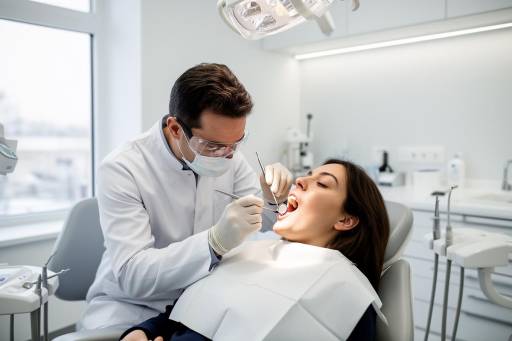
During the try-in, your dentist will have you gently close your mouth and may use articulating paper to identify any high spots where your teeth contact prematurely. These high points can create uneven force distribution, leading to discomfort, soreness, or even damage to the restoration or surrounding teeth if left uncorrected. Your dentist will adjust these areas to achieve a balanced bite.
Proper functionality means you should be able to chew normally without feeling any tightness, clicking, or discomfort. An incorrect bite can contribute to jaw pain, headaches, muscle fatigue, or accelerated wear on your restoration and natural teeth. Confirming correct function before cementation helps promote long-term success and comfort.
If you experience any unusual sensations, such as difficulty closing your mouth fully or persistent discomfort during the try-in, be sure to communicate this to your dentist. Addressing these issues early prevents complications and ensures your restoration supports healthy oral function.
Questions to Ask Your Dentist During the Try-In Appointment
Engaging in open communication with your dentist during the try-in appointment is key to ensuring your dental restoration meets your expectations and functions properly. Asking thoughtful questions helps you understand the process and what to expect moving forward.
You might ask how the fit of the restoration was verified and what specific signs indicate a successful seal at the margins, as this is critical to preventing leakage and decay. Inquire whether any adjustments are typically expected after final placement and how sensitive the underlying tooth might be during the healing period.
Discuss the material used for your crown or bridge, including its durability, resistance to wear, and suitability for your bite and lifestyle. Understanding how to care for your restoration after placement, such as recommended oral hygiene practices and any foods or habits to avoid, will help prolong its lifespan.
Clarify the timeline for final cementation and any precautions you need to follow until then, including restrictions on eating or oral care. These questions help you feel informed and confident about your restoration’s outcome, enabling you to participate actively in your dental care and address any concerns promptly.
Signs That Indicate You Should Request Adjustments
Certain signs during the try-in should prompt you to request adjustments before the final cementation of your dental restoration. Discomfort when biting down is a common indicator that the restoration may be too high or improperly aligned, which can cause uneven pressure and lead to soreness or jaw pain over time. Similarly, if the restoration feels loose or unstable, it may not be seated correctly, increasing the risk of damage or decay.
Irritation or inflammation of the gums around the restoration is another important sign to address. This can result from rough edges or an ill-fitting margin that traps plaque and food debris, potentially leading to gum disease if left untreated. Visible gaps at the edges of the restoration or rough areas that could trap food particles are also reasons to ask for corrections, as they compromise the seal and hygiene of the restoration.
Aesthetic concerns such as color mismatches or an unnatural appearance are valid and should be discussed openly. Since your restoration will be a permanent part of your smile, ensuring it looks harmonious with your natural teeth is essential for your confidence and satisfaction.
Reporting these issues early allows your dentist to refine the fit, appearance, or function of your restoration, preventing complications such as tooth decay, sensitivity, or dissatisfaction after final placement. Prompt communication during the try-in phase is key to achieving the best possible outcome.
Post-Try-In Care and Next Steps for Your Dental Restoration
After the try-in appointment, your dentist may advise you to avoid eating or applying pressure on the temporary restoration until the final crown or bridge is cemented. This precaution helps prevent displacement or damage to the provisional restoration, which serves as a protective and functional placeholder during the interim period. It is important to follow these instructions carefully to avoid complications that could delay the final placement.
Maintaining good oral hygiene during this phase is crucial. Gently brushing and flossing around the restoration helps keep the area clean and reduces the risk of infection or gum irritation. Your dental team might provide specific guidance on how to clean around the temporary restoration without dislodging it, such as using a soft-bristled toothbrush or avoiding flossing directly under the restoration until it is permanently cemented.
Your dentist will schedule the final placement appointment once the fit, appearance, and function of the restoration have been confirmed as satisfactory. This step ensures that the final crown or bridge will integrate well with your bite and look natural in your smile. Staying attentive during this phase by monitoring comfort and hygiene helps ensure a smooth transition to your permanent restoration, minimizing the likelihood of needing further adjustments or experiencing discomfort after cementation.
Restore Damaged or Missing Teeth With Crowns and Bridges
Answer a few short questions and HealthNode will help you connect with the right restorative or cosmetic dentist.
Crown, Bridge, or Replacement Needs
This helps us understand whether a crown, bridge, implant, or another treatment may be more suitable.
Dental Health Check
A few details help the dentist understand whether any treatment is needed before placing a crown or bridge.
Contact information
Your information is only used to contact you and is never shared with third parties.
Your request has been received!
Thank you. If you have dental X-rays, panoramic X-ray, CBCT scan, root canal records, previous crown or bridge records, treatment plans, or dental photos, please keep them ready. A HealthNode consultant will guide you through the next step.
Frequently Asked Questions
Q: How long should I wait before the final cementation after the try-in?
A: Your dentist will advise on the appropriate timing, usually after confirming the fit, appearance, and bite are satisfactory.
Q: What if I notice discomfort or a poor fit during the try-in?
A: Notify your dentist immediately to discuss adjustments or modifications before the final cementation.
Q: Can I eat normally after a crown or bridge try-in?
A: No, eating should generally be avoided until the final placement to prevent damage or dislodgement.
Q: What should I do if the color doesn’t match my natural teeth?
A: Discuss color concerns with your dentist; adjustments can often be made before final placement.
Q: How do I know if my bite feels correct during the try-in?
A: Your dentist will help you check your bite by asking you to gently close and may use articulating paper to identify high spots.
Q: Is it normal to feel some sensitivity during the try-in?
A: Some sensitivity can occur but should be minimal; report any persistent discomfort to your dentist.
The information provided is for educational purposes only and does not constitute medical advice. Always consult with a healthcare professional for medical guidance specific to your situation.