Quick Answer
US patients with crowns or bridges placed in Turkey should plan for possible adjustments after returning home by securing detailed treatment documentation, communicating clearly with their US dentist, and scheduling timely follow-up appointments.
- Before leaving Turkey, patients should obtain complete treatment records including X-rays, photos, and material details.
- Clear communication with both the Turkish and US dentists is essential for effective post-treatment care.
- Patients should inform their US dentist about the foreign dental work and provide all documentation during follow-up visits.
- Dental insurance may not cover adjustments for work done abroad, so patients should verify coverage and prepare for potential costs.
- Scheduling a follow-up appointment within a few weeks of returning to the US helps address any fit or comfort issues early.
- During adjustment visits, dentists may perform minor reshaping or polishing to improve restoration fit and function.
- Patients should monitor for symptoms like discomfort or bite changes and report these promptly to their US dentist.
What Should US Patients Plan for if a Crown or Bridge Placed in Turkey Needs Adjustment After Returning Home?
If you have a dental crown or bridge placed in Turkey, planning for possible adjustments after you return to the United States is essential. Adjustments may be necessary to ensure proper fit, comfort, and function as your mouth adapts to the new restoration. Being prepared with documentation, clear communication with your US dental provider, and understanding your follow-up care options can help you navigate this process smoothly.
Traveling abroad for dental work offers cost advantages and access to quality care, but it also requires foresight for managing ongoing care at home. Crowns and bridges are complex restorations that occasionally need modifications after placement to address issues such as discomfort, bite misalignment, or minor damage. US patients should approach post-treatment care proactively to avoid delays or complications.
Knowing what steps to take before leaving Turkey, how to coordinate with your local dentist, and what to expect during follow-up visits will empower you to maintain your dental health confidently. This preparation supports both the longevity of your dental work and your overall well-being.
Restore Damaged or Missing Teeth With Crowns and Bridges
Answer a few short questions and HealthNode will help you connect with the right restorative or cosmetic dentist.
Crown, Bridge, or Replacement Needs
This helps us understand whether a crown, bridge, implant, or another treatment may be more suitable.
Dental Health Check
A few details help the dentist understand whether any treatment is needed before placing a crown or bridge.
Contact information
Your information is only used to contact you and is never shared with third parties.
Your request has been received!
Thank you. If you have dental X-rays, panoramic X-ray, CBCT scan, root canal records, previous crown or bridge records, treatment plans, or dental photos, please keep them ready. A HealthNode consultant will guide you through the next step.
Preparing for Post-Treatment Adjustments Before Returning Home
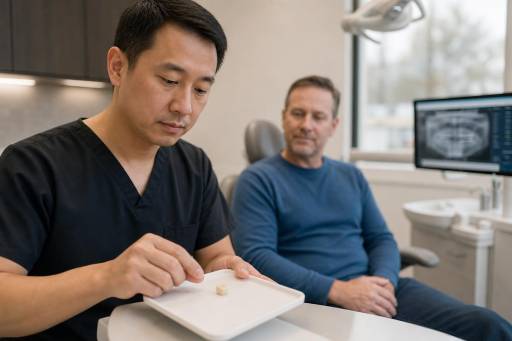
Before leaving Turkey, it is important to secure complete and detailed documentation of your dental crown or bridge treatment. This includes treatment plans, dental impressions, X-rays, photos, and notes on materials used. Such records allow your US dentist to understand exactly what was done and facilitate any necessary adjustments or repairs.
Discuss with your treating dentist in Turkey about the potential need for minor adjustments once you are home. Ask for clear instructions on post-placement care, signs of complications to watch for, and the recommended timing for follow-up evaluations. Planning these details in advance helps avoid confusion and ensures you have a direct point of contact if concerns arise.
You should also ensure you receive all warranties or guarantees related to your dental work. These documents might be crucial if further treatment or replacement is needed. Additionally, keep receipts and invoices as they may be useful for insurance claims or personal records.
Having a clear understanding of your dental care provider’s communication channels while you are back in the US can prevent delays in addressing issues. Request contact information, including email and phone numbers, and confirm their willingness to provide remote consultations if required.
Communicating Effectively with Your U.S. Dental Provider About Your Turkey Dental Work
Effective communication with your US dental provider is key to managing adjustments or repairs for crowns and bridges placed abroad. When scheduling your initial follow-up appointment, inform your dentist that your restoration was done in Turkey and provide all treatment documentation you received.
Bring copies of your dental records, X-rays, and any photographs of the dental work to help your dentist evaluate the restoration accurately. Clear documentation reduces guesswork and allows your provider to plan appropriate adjustment procedures safely.
It can be helpful to discuss your expectations and any symptoms such as discomfort, sensitivity, or bite issues you have noticed since returning home. Open communication about your experience guides your dentist in tailoring the adjustment to your specific needs.
If language barriers or unfamiliar materials were involved in your original treatment, consider requesting your Turkish dental provider to prepare a summary of the procedures and materials in English. This can further enhance your US dentist’s ability to provide effective care.
Coordinating care between your Turkish and US providers creates a seamless experience, minimizing risks of miscommunication and ensuring your crown or bridge functions well long term.
Costs and Insurance Coverage for Dental Adjustments After Treatment Abroad
After returning from Turkey, you may face additional costs for dental adjustments, repairs, or follow-up visits with your US provider. These expenses vary based on the complexity of the adjustment and the dental practice’s fees.
Most US dental insurance plans do not cover the initial placement of crowns or bridges performed abroad. Coverage for subsequent adjustments may also be limited or excluded, depending on your policy. It is crucial to contact your insurance provider before scheduling follow-up care to clarify what services are reimbursable.
If insurance coverage is limited, ask your dentist for an estimate of expected costs and inquire about payment options or financing plans. Being financially prepared helps you avoid surprises and ensures you can access the care you need.
Remember that timely adjustments can prevent more serious issues that might require extensive and expensive treatment later. Investing in proper follow-up care supports the longevity of your dental restoration and your oral health.
Communicating openly with both your insurance company and dental provider about coverage and billing will help you plan your post-treatment care confidently.
Scheduling and Preparing for Your Follow-Up Dental Care in the U.S.
It is advisable to schedule your first follow-up dental appointment within a few weeks after returning to the US. This timing allows your dentist to assess your crown or bridge early and address any adjustments before problems worsen.
When booking your visit, inform the dental office about your recent treatment in Turkey so they can allocate sufficient time for evaluation and possible adjustment procedures. Bring all treatment documents and any correspondence with your Turkish provider.
Prepare a list of symptoms or concerns you have noticed, such as discomfort, difficulty chewing, or changes in bite. This checklist helps your dentist focus the exam and tailor the care to your needs.
Ask your dentist about the expected duration of the adjustment appointment and whether any special preparations are needed. Knowing what to expect can reduce anxiety and improve cooperation during the visit.
Following your dentist’s post-appointment instructions closely supports optimal healing and restoration function. Timely follow-up and careful preparation contribute to a successful outcome for your dental crown or bridge.
What to Expect During Your Dental Adjustment Appointment in the U.S.
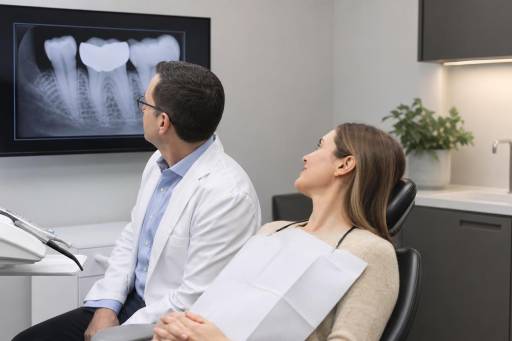
During your dental adjustment appointment, your dentist will examine the crown or bridge thoroughly to identify any issues with fit, bite, or comfort. They may take new impressions or X-rays if necessary to evaluate the restoration in detail.
Adjustment procedures typically involve minor reshaping, polishing, or cement removal to improve fit and alleviate discomfort. These steps are usually quick and painless, often completed within one or two visits.
Your dentist will ask you to describe any symptoms or functional problems you have experienced since placement. Clear communication about your experience helps ensure that adjustments address the root cause effectively.
If more extensive repair or replacement is needed, your dentist will discuss options and timelines with you. Understanding the clinical process empowers you to make informed decisions about your care.
After adjustments, your dentist will provide guidance on care and signs to watch for, helping you maintain your dental health and enjoy lasting benefits from your crown or bridge.
Restore Damaged or Missing Teeth With Crowns and Bridges
Answer a few short questions and HealthNode will help you connect with the right restorative or cosmetic dentist.
Crown, Bridge, or Replacement Needs
This helps us understand whether a crown, bridge, implant, or another treatment may be more suitable.
Dental Health Check
A few details help the dentist understand whether any treatment is needed before placing a crown or bridge.
Contact information
Your information is only used to contact you and is never shared with third parties.
Your request has been received!
Thank you. If you have dental X-rays, panoramic X-ray, CBCT scan, root canal records, previous crown or bridge records, treatment plans, or dental photos, please keep them ready. A HealthNode consultant will guide you through the next step.
Frequently Asked Questions
Q: What documentation should I bring from my Turkish dental provider?
A: Bring detailed treatment records, X-rays, and any receipts or invoices related to your crown or bridge. Having this information helps your US dentist understand your dental work and plan any necessary adjustments.
Q: How long after returning to the U.S. should I schedule my follow-up appointment?
A: It is advisable to schedule a follow-up within a few weeks after returning to ensure proper adjustment and address any concerns promptly. Early evaluation helps prevent complications.
Q: Will my insurance cover adjustments for dental work done abroad?
A: Coverage varies by provider; check with your insurance company beforehand to understand your benefits for post-treatment care. Many plans have limitations on treatments performed outside the US.
Q: What if I experience pain or discomfort after returning home?
A: Contact your U.S. dentist immediately to assess the situation and determine if an adjustment or further treatment is needed. Prompt care can prevent worsening of symptoms.
Q: Are there specific specialists I should see for crown or bridge adjustments?
A: Generally, a general dentist or prosthodontist can perform adjustments. Consult your regular dental provider for recommendations based on your specific case.
Q: How can I ensure my dental work in Turkey is of high quality?
A: Choose accredited clinics, verify credentials, and request detailed treatment documentation to ensure quality standards. Researching your provider beforehand supports safe and effective care.
The information provided is for educational purposes only and does not constitute medical advice. Always consult with a healthcare professional for medical guidance specific to your situation.