Quick Answer
Dental crowns are covered under the CDCP because they are medically necessary restorations that protect and preserve damaged teeth, while dental bridges are generally excluded as they are often considered elective or cosmetic treatments.
- The CDCP prioritizes coverage for treatments that restore function and prevent further oral health deterioration, such as dental crowns.
- Crowns cap and strengthen compromised teeth, preventing extraction and maintaining oral structure, aligning with medical necessity criteria.
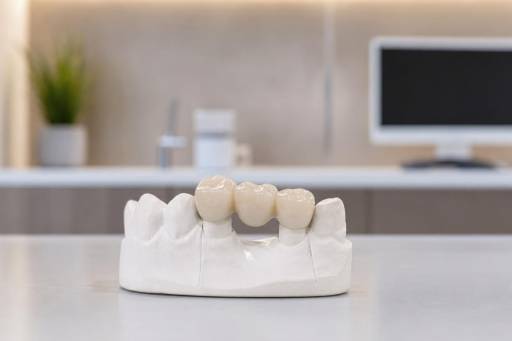
- Dental bridges replace missing teeth by anchoring to adjacent teeth, which often involves altering healthy teeth and is viewed as elective or cosmetic.
- Insurance coverage decisions are based on clinical necessity, treatment invasiveness, and cost-effectiveness, favoring crowns over bridges.
- Documentation such as clinical reports and treatment plans is required to support insurance claims for crowns and to justify exceptions for bridges.
- Alternative financial options like dental financing plans, discount programs, and community assistance may help cover costs for bridges not covered by insurance.
- Understanding insurance policy details and engaging proactively with providers can improve the chances of coverage and informed treatment decisions.
Why Can a Crown Be Covered Under the CDCP While a Dental Bridge Is Not?
Dental crowns are typically covered under the Canadian Dental Care Plan (CDCP) because they are considered medically necessary restorations that protect and preserve damaged teeth. In contrast, dental bridges are generally not covered under the CDCP as they are often classified as elective or cosmetic treatments. This distinction in coverage reflects the plan’s criteria based on clinical necessity and treatment invasiveness.
The CDCP evaluates dental procedures through a lens of medical necessity, prioritizing treatments that restore function and prevent further oral health deterioration. Crowns serve to cap and strengthen a compromised tooth, which can prevent extraction and maintain oral structure. Bridges, however, replace missing teeth by anchoring to adjacent teeth, which may be viewed as a cosmetic or elective choice rather than an essential medical intervention.
Understanding why crowns receive coverage while bridges often do not can help you navigate your treatment options and insurance claims more effectively. Insurance policies vary widely, and knowing the rationale behind these decisions empowers you to engage with your dental provider and insurer to make informed choices about your oral health care.
Restore Damaged or Missing Teeth With Crowns and Bridges
Answer a few short questions and HealthNode will help you connect with the right restorative or cosmetic dentist.
Crown, Bridge, or Replacement Needs
This helps us understand whether a crown, bridge, implant, or another treatment may be more suitable.
Dental Health Check
A few details help the dentist understand whether any treatment is needed before placing a crown or bridge.
Contact information
Your information is only used to contact you and is never shared with third parties.
Your request has been received!
Thank you. If you have dental X-rays, panoramic X-ray, CBCT scan, root canal records, previous crown or bridge records, treatment plans, or dental photos, please keep them ready. A HealthNode consultant will guide you through the next step.
Insurance Coverage Criteria for Dental Crowns and Bridges
Insurance coverage under plans like the CDCP hinges on specific criteria that define medical necessity and treatment appropriateness. Dental crowns are usually covered because they restore teeth that are severely damaged by decay, fracture, or after root canal therapy. These restorations protect the tooth structure, improve function, and prevent the need for extraction.
Dental bridges, on the other hand, primarily serve to replace missing teeth. While restoring missing teeth is important for function and aesthetics, insurance plans including the CDCP often categorize bridges as elective or cosmetic treatments. This means bridges are excluded from coverage unless exceptional medical conditions justify their use.
The CDCP’s coverage criteria emphasize preserving natural teeth and preventing further oral health complications. Crowns align with this goal by reinforcing existing teeth. Bridges, however, involve altering adjacent healthy teeth to anchor the prosthetic, which may contribute to their exclusion from coverage under standard policy guidelines.
These distinctions illustrate how coverage decisions are based on the treatment’s impact on oral health preservation versus elective enhancements. Patients should review their insurance policy details carefully to understand coverage specifics for crowns and bridges.
Medical and Dental Policy Differences Explaining Coverage Variations
The divergence in coverage between crowns and bridges under insurance plans like the CDCP reflects underlying medical and dental policy frameworks. Medical policies tend to prioritize treatments that address disease or injury and preserve natural tissues. Dental crowns restore damaged teeth by capping them, which aligns closely with these medical objectives.
Dental bridges, however, involve replacing missing teeth by attaching prosthetics to adjacent teeth, which requires modifying healthy tooth structure. This process is often seen as more invasive and elective, leading dental policies to treat bridges differently from crowns. Additionally, bridges may be considered less essential if alternative options like implants or partial dentures are available.
Longevity and maintenance also influence coverage decisions. Crowns typically have a predictable lifespan and directly protect compromised teeth, making them a cost-effective intervention for insurance providers. Bridges may require more maintenance and can introduce risks to supporting teeth, which affects how policies classify and cover these treatments.
These medical and dental policy distinctions help explain why crowns are usually included in coverage, while bridges face more limitations. The policies aim to balance patient benefit, treatment necessity, and cost-effectiveness within their coverage rules.
How Dental Restorations Are Evaluated for Insurance Claims
Insurance providers evaluate dental restoration claims by assessing clinical necessity, treatment standards, and cost-effectiveness. For a dental crown, insurers require documentation showing that the tooth is structurally compromised due to decay, trauma, or previous treatment like root canal therapy. The goal is to confirm that the crown is essential to preserve the tooth and prevent extraction.
For dental bridges, insurers scrutinize whether the procedure is medically necessary or primarily cosmetic. Since bridges involve altering adjacent teeth, insurers look for evidence that other tooth replacement options are unsuitable or contraindicated. Without strong clinical justification, insurance plans often deny coverage for bridges.
Treatment standards and guidelines from dental associations influence these evaluations. Providers must submit detailed clinical reports, x-rays, and treatment plans to support claims. Insurance companies also consider policy-specific rules that may limit coverage based on procedure type or patient history.
Understanding this evaluation process can help you prepare thorough documentation and communicate effectively with your insurer to improve the likelihood of coverage for your dental restorations.
Steps to Maximize Coverage for Your Dental Restorations
Gather detailed clinical documentation from your dentist outlining the necessity of your dental restoration. This should include x-rays, treatment plans, and letters explaining why the procedure is essential for your oral health.
Review your insurance policy carefully to understand specific coverage criteria and exclusions. Knowing your plan’s requirements helps tailor your claim and avoid surprises.
Communicate proactively with your insurance provider before treatment to clarify coverage details and ask about required documentation. Early engagement can prevent claim denials.
Consider getting a pre-authorization or pre-approval from your insurer, which provides official confirmation of coverage for your planned procedure.
Keep thorough records of all correspondence and treatment details to support any appeals if your initial claim is denied. Persistence and clear documentation often improve coverage outcomes.
Alternative Financial Options for Dental Restorations Not Covered by Insurance
When dental bridges are not covered under your insurance plan, several alternative financial options can help manage the cost. Dental financing plans allow you to spread payments over time with manageable interest rates, making treatments more affordable.
Dental savings plans or discount programs offer reduced fees for dental procedures at participating providers. These can be a cost-effective way to access dental bridges without traditional insurance coverage.
Some clinics provide in-house payment plans or promotional offers to assist patients needing bridge restorations. Exploring these options with your dental provider can uncover solutions tailored to your budget.
Some charitable organizations and community health programs may offer assistance or subsidies for essential dental care, including bridges, especially for qualifying patients.
Restore Damaged or Missing Teeth With Crowns and Bridges
Answer a few short questions and HealthNode will help you connect with the right restorative or cosmetic dentist.
Crown, Bridge, or Replacement Needs
This helps us understand whether a crown, bridge, implant, or another treatment may be more suitable.
Dental Health Check
A few details help the dentist understand whether any treatment is needed before placing a crown or bridge.
Contact information
Your information is only used to contact you and is never shared with third parties.
Your request has been received!
Thank you. If you have dental X-rays, panoramic X-ray, CBCT scan, root canal records, previous crown or bridge records, treatment plans, or dental photos, please keep them ready. A HealthNode consultant will guide you through the next step.
Planning your dental treatment budget with these alternatives ensures you can proceed with necessary restorations even if insurance coverage is limited or unavailable.
Frequently Asked Questions
Q: Why does the CDCP cover dental crowns but not bridges?
A: Coverage for dental crowns is often considered more medically necessary and less invasive compared to bridges, which are sometimes viewed as cosmetic or elective, leading to differences in insurance policies.
Q: Can I get my dental bridge covered under insurance?
A: Most insurance plans, including the CDCP, typically do not cover dental bridges unless they are deemed medically necessary due to specific health conditions, but coverage varies by policy.
Q: What documentation do I need to increase my chances of insurance coverage for a crown?
A: Providing detailed clinical reports, treatment necessity letters from your dentist, and evidence of previous dental issues can help support your claim.
Q: Are there any programs that help cover dental bridges?
A: Some dental discount plans, financing options, or assistance programs may help offset the cost of dental bridges if insurance does not cover them.
Q: How can I verify my insurance coverage for dental procedures?
A: Contact your insurance provider directly or review your policy documents to understand what procedures are covered and what documentation is required.
The information provided is for educational purposes only and does not constitute medical advice. Always consult with a healthcare professional for medical guidance specific to your situation.