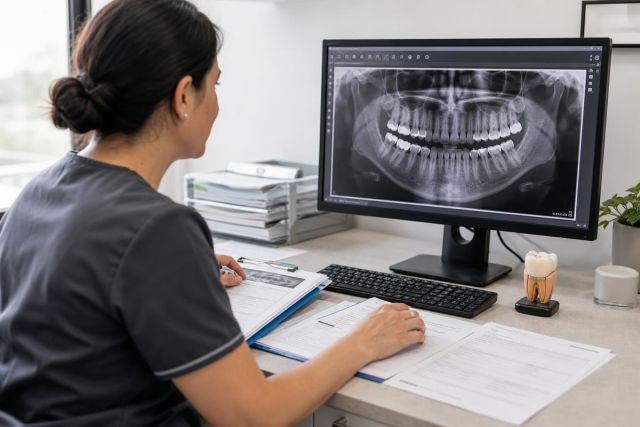
Quick Answer
A dental crown requires preauthorization under the Canadian Dental Care Plan to confirm medical necessity and ensure that the insurance provider will cover the procedure's costs before treatment begins. This process helps prevent unexpected expenses and supports coordinated care between the dentist and insurer.
- Preauthorization is a formal approval process required before dental crown procedures to verify coverage under the Canadian Dental Care Plan.
- The process involves submitting a detailed treatment plan with clinical justification and cost estimates to the insurance provider.
- Preauthorization ensures the dental crown is medically necessary rather than cosmetic, aligning treatment with insurance coverage policies.
- Obtaining preauthorization helps patients avoid denied claims and unexpected out-of-pocket expenses.
- The review timeline for preauthorization typically ranges from a few days to a couple of weeks depending on the insurer and case complexity.
- Clear communication between the patient, dentist, and insurer is essential to avoid delays and ensure smooth treatment planning.
- Patients are advised to discuss preauthorization early with their dentist and insurance provider to prepare necessary documentation and understand coverage details.
Why Does a Dental Crown Require Preauthorization Under the Canadian Dental Care Plan?
Dental crown procedures under the Canadian Dental Care Plan require preauthorization, which is the process of obtaining approval from your insurance provider before the treatment begins. This important step helps confirm that the procedure is medically necessary and ensures that your insurance plan will cover the associated costs. By securing preauthorization, you can avoid unexpected expenses and enjoy a more streamlined dental care experience.
Navigating dental insurance can often feel complex and overwhelming, especially when it comes to significant treatments like dental crowns. Preauthorization acts as a checkpoint between your dental provider and insurer, verifying that the planned procedure fits within the terms of your coverage. This process is designed to protect you financially by preventing denied claims and to support coordinated care between your dentist and insurer.
If you are considering a dental crown under the Canadian Dental Care Plan, understanding why preauthorization is necessary can help you prepare more effectively. It encourages timely communication with your dentist and insurance provider, which ultimately contributes to smoother treatment planning and fewer surprises along the way. Being informed about the process empowers you to make confident decisions about your oral health and manage your dental care with greater ease.
Restore Damaged or Missing Teeth With Crowns and Bridges
Answer a few short questions and HealthNode will help you connect with the right restorative or cosmetic dentist.
Crown, Bridge, or Replacement Needs
This helps us understand whether a crown, bridge, implant, or another treatment may be more suitable.
Dental Health Check
A few details help the dentist understand whether any treatment is needed before placing a crown or bridge.
Contact information
Your information is only used to contact you and is never shared with third parties.
Your request has been received!
Thank you. If you have dental X-rays, panoramic X-ray, CBCT scan, root canal records, previous crown or bridge records, treatment plans, or dental photos, please keep them ready. A HealthNode consultant will guide you through the next step.
The Role of Preauthorization in the Canadian Dental Care Plan
Preauthorization within the Canadian Dental Care Plan is a formal process that requires approval from your insurance provider before certain dental treatments, such as crowns, can be covered. This process involves your dental provider submitting a detailed treatment plan to the insurer, which includes clinical information and justification for the procedure. The insurer then reviews this information to determine whether the treatment meets the criteria for coverage under your specific policy.
The primary goal of preauthorization is to ensure that the dental crown is medically necessary rather than purely cosmetic. This distinction is important because many insurance plans only cover procedures that address health-related issues, such as restoring damaged teeth or preventing further oral health problems. By verifying medical necessity upfront, preauthorization helps prevent denied claims after the procedure, which can result in unexpected out-of-pocket expenses for you.
The preauthorization process also helps manage overall dental care costs within the Canadian Dental Care Plan by encouraging appropriate and evidence-based treatment choices. It supports both patients and providers by promoting transparency and informed decision-making based on insurance guidelines. This process ultimately reduces financial risk and helps ensure that dental care is delivered efficiently and effectively, aligning treatment plans with coverage policies to benefit all parties involved.
How the Insurance Preauthorization Process Works for Dental Crowns in Canada
The insurance preauthorization process for dental crowns in Canada typically begins when your dentist submits a detailed treatment plan to your insurance provider. This plan usually includes diagnostic images, such as X-rays, impressions, and a clear description of the proposed procedure, along with cost estimates. These documents provide the insurer with the necessary information to evaluate the medical necessity of the crown and determine whether it fits within your coverage policy.
After submission, the insurer reviews the treatment plan and makes a decision based on their policy criteria. They may approve the request, request additional information or clarification, or deny the preauthorization if the procedure does not meet coverage requirements. The timeline for this review can vary depending on the insurer and the complexity of the case, but it generally ranges from a few days to a couple of weeks. During this period, maintaining open communication with your dental office and insurance company is important to promptly address any additional requests and avoid delays.
Successful preauthorization typically requires clear clinical justification for the crown, accurate and detailed cost information, and adherence to the specific coverage limits and exclusions outlined in your insurance plan. Understanding these steps and requirements helps you and your dental provider prepare the necessary documentation thoroughly and anticipate the process duration. This preparation reduces the risk of delays and supports a smoother progression from diagnosis to treatment, ensuring your dental crown procedure moves forward efficiently and with appropriate coverage.
Why Dental Coverage Approval Is Essential Before Getting a Crown
Obtaining dental coverage approval before receiving a crown is crucial for several reasons, primarily related to managing your treatment costs and avoiding unexpected financial burdens. Preauthorization serves as confirmation that your insurance plan will cover the procedure, allowing you to understand in advance what portion of the cost you will be responsible for paying out-of-pocket. This transparency helps you budget accordingly and prevents surprises after treatment.
In addition to financial clarity, preauthorization enables you to make informed choices about the materials and techniques used for your crown. Different crown materials, such as porcelain, metal, or ceramic, may have varying levels of coverage under your insurance plan. Knowing what is covered allows you and your dentist to select options that balance quality, durability, and cost effectively.
Beyond cost considerations, obtaining preauthorization contributes to your peace of mind by ensuring that your dental provider and insurer are aligned on the treatment plan. This coordination helps avoid insurance denials or partial payments that could disrupt your care. It also supports your dentist in coordinating care effectively, as they can proceed with confidence that the treatment plan meets insurance guidelines. Overall, preauthorization promotes a smoother, more transparent dental experience, helping you focus on your oral health without unnecessary financial or administrative stress.
Common Challenges and Tips for Navigating Preauthorization in Canada
Patients often encounter several challenges when navigating the preauthorization process for dental crowns in Canada. Common issues include delays in approval times, which can be frustrating and may postpone necessary treatment. Incomplete or inaccurate documentation submitted by the dental office can also cause setbacks, as insurers require detailed information to assess coverage eligibility. Additionally, patients may experience confusion about the specific criteria their insurance plan uses to determine coverage, such as whether the crown is considered medically necessary or cosmetic.
To help streamline the preauthorization process, it is important that your dentist submits a comprehensive treatment plan that includes all required diagnostic information, such as X-rays or impressions, and provides accurate cost estimates. This thorough documentation allows the insurer to make a more informed decision and reduces the likelihood of requests for additional information. If your insurer does request further details, responding promptly can help avoid unnecessary delays.
Familiarizing yourself with the details of your insurance policy, including coverage limits, exclusions, and any specific conditions related to crowns, empowers you to better understand what to expect. Open communication between you, your dental office, and your insurance company is key; discussing timelines, required paperwork, and coverage expectations can clarify the process and improve the chances of timely approval. Being proactive and informed helps minimize stress and ensures your treatment proceeds as smoothly as possible.
When to Consult Your Dentist or Insurance Provider About Preauthorization
It is advisable to discuss preauthorization with your dentist as soon as they recommend a dental crown. Early communication allows your dental provider to gather and prepare all necessary documentation promptly, which can prevent delays in scheduling and completing your treatment. This proactive approach ensures that your dental office can submit the preauthorization request to your insurer without unnecessary wait times.
If you have any questions or uncertainties about your dental coverage or the preauthorization process, reaching out to your insurance provider early on can be very helpful. They can clarify policy details, explain eligibility criteria, and inform you about any documentation or forms you may need to provide. Understanding your coverage and potential out-of-pocket costs ahead of time allows you to plan financially and make informed decisions about your care.
Maintaining open and ongoing communication with both your dentist and insurance company throughout the preauthorization process is essential. This coordination helps quickly address any issues or additional information requests that may arise, reducing the risk of unexpected delays or denials. By working closely with both parties, you can navigate the process more smoothly and avoid surprises, ultimately supporting timely receipt of your dental crown with appropriate insurance coverage.
Frequently Asked Questions
A: Preauthorization is generally required for dental crowns to confirm coverage and approval before the procedure, but specific cases may vary depending on your insurance plan.
Restore Damaged or Missing Teeth With Crowns and Bridges
Answer a few short questions and HealthNode will help you connect with the right restorative or cosmetic dentist.
Crown, Bridge, or Replacement Needs
This helps us understand whether a crown, bridge, implant, or another treatment may be more suitable.
Dental Health Check
A few details help the dentist understand whether any treatment is needed before placing a crown or bridge.
Contact information
Your information is only used to contact you and is never shared with third parties.
Your request has been received!
Thank you. If you have dental X-rays, panoramic X-ray, CBCT scan, root canal records, previous crown or bridge records, treatment plans, or dental photos, please keep them ready. A HealthNode consultant will guide you through the next step.
A: The process usually takes a few days to a couple of weeks, depending on the complexity of the case and the responsiveness of your dental provider and insurance company.
A: Commonly required documents include a treatment plan from your dentist, diagnostic images, and detailed cost estimates.
A: While it is possible, it is not recommended as it may lead to uncovered costs if the procedure is not approved beforehand.
A: Discuss the reasons for denial with your dentist and insurance provider, and consider appealing or providing additional documentation to support your case.
A: Preauthorization indicates approval for coverage but does not guarantee it; final coverage depends on your insurance policy terms.
The information provided is for educational purposes only and does not constitute medical advice. Always consult with a healthcare professional for medical guidance specific to your situation.