Quick Answer
Yes, a localized defect in a dental filling can often be repaired without removing the entire restoration using conservative dental techniques that preserve most of the original filling and tooth structure.
- Minor defects such as small chips, surface wear, or marginal breakdown can frequently be managed with minimally invasive repairs.
- Conservative repair methods include surface re-bonding, polishing rough edges, and patching with compatible materials.
- The decision to repair versus replace depends on the defect's size, location, filling material, and overall tooth health.
- Complete replacement is necessary when there is extensive decay, significant loss of filling material, or structural compromise of the tooth.
- Professional evaluation using visual examination and diagnostic tools is essential to determine the appropriate treatment.
- Good oral hygiene and regular dental visits help maintain fillings and prevent defects from worsening.
- Repair procedures are generally quick, minimally uncomfortable, and can extend the longevity of the restoration.
Can a Localised Defect in a Filling Be Repaired Without Removing the Whole Restoration?
A localized defect in a dental filling can often be repaired without the need to remove the entire restoration, which is beneficial for preserving natural tooth structure and minimizing treatment invasiveness. Minor issues such as small chips, surface wear, marginal breakdown, or slight discoloration can frequently be managed through conservative dental techniques. These methods focus on maintaining most of the original filling and tooth structure, thereby reducing treatment time and preserving the restoration’s integrity.
This conservative approach is preferred because it limits the removal of healthy tooth tissue, which is crucial for maintaining the tooth’s strength and function. It also tends to be less costly and more comfortable for the patient compared to complete replacement. Your dentist will perform a careful evaluation of the defect, considering factors such as the size and location of the damage, the type of filling material, and the overall health of the tooth. This assessment determines whether a repair is feasible or if a complete replacement is necessary.
If you notice a small defect or damage in your filling, such as a chip, roughness, or sensitivity, it is important to consult a dental professional promptly. Early assessment and treatment can prevent the progression of decay or damage, which might otherwise lead to more extensive and invasive procedures. Timely intervention helps maintain your oral health and the longevity of your dental restorations, contributing to better overall dental outcomes.
Restore Cavities, Cracks, and Damaged Teeth
Answer a few short questions and HealthNode will help you connect with the right restorative dentist for fillings or tooth repair.
Pain, Sensitivity, and Damage
This helps us understand whether you may need a simple filling, tooth restoration, root canal evaluation, or another treatment.
Previous Dental Care and Preferences
A few details help the dentist understand the best restoration option for your tooth.
Final Details
Share anything important so the dentist can better understand your case.
Contact information
Your information is only used to contact you and is never shared with third parties.
Your request has been received!
Thank you. If you have dental X-rays, photos of the damaged tooth, previous filling records, root canal records, treatment plans, or information about tooth pain or sensitivity, please keep them ready. A HealthNode consultant will guide you through the next step.
Assessing Minor Defects in Dental Fillings and When Repair Is Possible
Minor defects in dental fillings commonly include small chips, surface roughness, marginal gaps, or slight discoloration. These issues often arise from normal wear and tear over time, minor trauma, or gradual material degradation. While they may not always cause symptoms initially, they can compromise the filling’s seal and increase the risk of decay if left untreated.
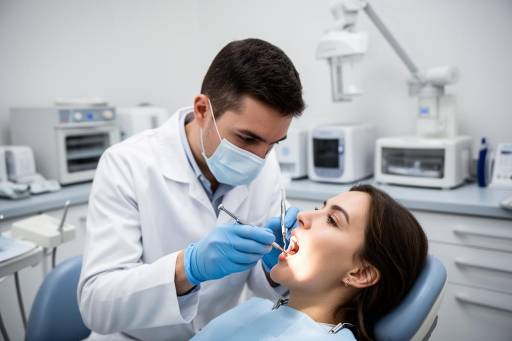
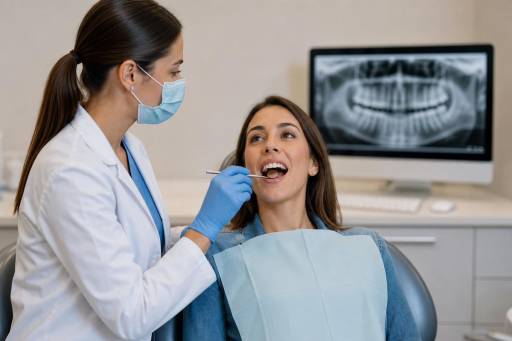
Dentists perform a thorough assessment to determine the nature and severity of these defects. This evaluation includes a detailed visual examination under good lighting, tactile probing of the filling edges to detect roughness or gaps, and sometimes the use of dental X-rays to check for any underlying decay or structural compromise of the tooth beneath the filling. In some cases, additional diagnostic tools such as transillumination or intraoral cameras may be used to enhance visualization.
If the defect is limited to the surface or margins of the restoration and the tooth underneath remains healthy without signs of decay or fracture, a localized repair is often feasible. This conservative treatment can restore the filling’s integrity and prevent further damage.
Several factors influence the decision to repair versus replace a filling. The extent and exact location of the defect, the type of filling material (such as composite resin, amalgam, or glass ionomer), and the overall condition of the restoration all play important roles. For instance, composite resin fillings are generally more amenable to patching or bonding repairs due to their adhesive properties, whereas amalgam fillings may require alternative techniques.
Your dentist’s professional judgment, informed by clinical experience and diagnostic findings, ensures the best balance between conserving natural tooth structure and maintaining optimal oral health. This individualized approach helps maximize the longevity of your restorations while minimizing unnecessary interventions.
Minimally Invasive Techniques for Repairing Filling Defects
Minimally invasive dentistry offers several effective options to repair localized defects in dental fillings without the need to remove the entire restoration. One commonly used technique is surface re-bonding, which involves carefully cleaning the defective area to remove debris, plaque, and any loose filling material, followed by the application of a bonding agent and new composite resin. This resin bonds chemically to the existing restoration, restoring the surface integrity and sealing any minor gaps.
Polishing rough or chipped edges is another conservative procedure that can improve both the appearance and function of a filling. By smoothing out irregularities, the risk of plaque accumulation and further wear is reduced, and patient comfort is enhanced. This method is often quick and painless, requiring minimal intervention.
When small portions of the filling are compromised, patching with compatible dental materials can restore the original shape and seal of the restoration. The choice of material depends on the type of filling and the location of the defect. For example, composite resins are often favored for their aesthetic qualities and ability to bond well with existing resin restorations.
These conservative procedures prioritize preserving as much natural tooth and filling material as possible, which is beneficial for maintaining tooth strength and reducing the likelihood of future complications. Minimally invasive techniques typically require only a single dental visit, minimizing patient discomfort and treatment costs compared to full replacement. However, the suitability of these options depends on the defect’s size, location, and the overall condition of the restoration, which your dentist will evaluate carefully to determine the best approach.
When Complete Replacement of a Filling Is Necessary
Complete removal and replacement of a dental filling become necessary when the defect involves extensive decay beneath the filling, significant loss of filling material, or structural compromise of the tooth that cannot be adequately addressed by localized repair. In such cases, simply patching or repairing the surface defect may not restore the tooth’s strength or prevent further deterioration.
If the underlying tooth structure is weakened, cracked, or exhibits recurrent decay, a full replacement of the filling allows the dentist to remove all compromised tissue and restore the tooth comprehensively. This approach reduces the risk of future complications such as tooth fracture or infection that could lead to more complex treatments like root canal therapy or extraction.
Older fillings made from materials that have degraded over time or are no longer considered optimal for durability and safety may also require replacement. For example, amalgam fillings that have corroded or developed marginal gaps may no longer provide an effective seal against bacterial infiltration.
While conservative repair is generally preferred to preserve natural tooth structure, complete replacement ensures thorough treatment for more severe damage. Your dentist will weigh factors such as the extent of decay, tooth vitality, functional demands, and aesthetic considerations to recommend the best course of action. This comprehensive approach safeguards your oral health in the long term by restoring both function and appearance.
The Importance of Professional Evaluation for Filling Repairs
A thorough dental examination is essential before deciding on the appropriate approach to address a filling defect. Dentists combine clinical evaluation with diagnostic tools such as dental X-rays, intraoral cameras, and sometimes specialized imaging to assess the extent of damage accurately. This comprehensive assessment helps identify any hidden decay beneath or around the filling, detect fractures in the tooth structure, and evaluate the condition of both the restoration and the surrounding tooth tissue.
Professional diagnosis is critical to avoid under-treating problems that could worsen over time or over-treating conditions that might be managed conservatively. For example, a small chip or marginal gap may only require a localized repair, whereas extensive decay or structural compromise might necessitate full replacement. Your dentist’s expertise ensures that treatment decisions are individualized based on your oral health status, the type of filling material, and your overall dental history.
Regular dental check-ups facilitate early detection of filling defects before they cause symptoms such as pain or sensitivity. Early professional evaluation allows for timely intervention, which can prolong the lifespan of your restorations and prevent the need for more invasive procedures like root canals or crowns. It also provides an opportunity to discuss preventive strategies tailored to your specific risk factors, such as dietary counseling or protective appliances.
Ultimately, entrusting your dental care to a qualified professional ensures that filling repairs or replacements are performed safely, effectively, and with consideration of your long-term oral health goals.
Maintaining Dental Restorations and Preventing Future Defects
Good oral hygiene practices are fundamental to prolonging the life of your dental fillings and preventing localized defects from developing or worsening. Brushing your teeth at least twice daily using fluoride toothpaste helps remove plaque and bacteria that can accumulate around fillings, reducing the risk of decay at the margins where the filling meets the natural tooth. Daily flossing is equally important to clean interdental spaces that toothbrushes cannot reach, preventing gum disease and decay that could compromise the restoration. Additionally, moderating your intake of sugary or acidic foods and beverages is crucial, as these substances can erode enamel and deteriorate filling materials, making them more susceptible to defects.
Regular dental visits play a vital role in maintaining restorations. Professional cleanings remove hardened plaque (calculus) that cannot be eliminated by home care alone, and dental examinations enable early detection of any wear, cracks, or marginal breakdown in fillings before symptoms arise. Early intervention can prevent minor issues from escalating into more serious problems requiring extensive treatment.
Certain habits can accelerate damage to fillings, so avoiding behaviors such as chewing on hard objects like ice, pens, or fingernails is advisable. Patients who grind or clench their teeth (bruxism) should discuss protective options like night guards with their dentist to shield restorations from excessive mechanical stress.
Restore Cavities, Cracks, and Damaged Teeth
Answer a few short questions and HealthNode will help you connect with the right restorative dentist for fillings or tooth repair.
Pain, Sensitivity, and Damage
This helps us understand whether you may need a simple filling, tooth restoration, root canal evaluation, or another treatment.
Previous Dental Care and Preferences
A few details help the dentist understand the best restoration option for your tooth.
Final Details
Share anything important so the dentist can better understand your case.
Contact information
Your information is only used to contact you and is never shared with third parties.
Your request has been received!
Thank you. If you have dental X-rays, photos of the damaged tooth, previous filling records, root canal records, treatment plans, or information about tooth pain or sensitivity, please keep them ready. A HealthNode consultant will guide you through the next step.
By adopting proactive oral care and lifestyle habits, you support the structural integrity of your fillings and reduce the likelihood of needing repairs or replacements. Maintaining overall oral health not only benefits your restorations but also contributes to your general well-being by preventing infections and preserving natural teeth for the long term.
Frequently Asked Questions
Q: Can a small chip in a filling be repaired without replacement?
A: Yes, small chips or surface defects in a filling can often be repaired with minimally invasive techniques like bonding or patching, avoiding full replacement.
Q: How long do repaired fillings typically last?
A: Repaired fillings can last several years depending on the material used, oral hygiene, and the extent of the repair. Regular dental check-ups help monitor their condition.
Q: Is it painful to repair a localized filling defect?
A: Repairing a filling defect usually involves minimal discomfort. Local anesthesia may not be necessary for minor repairs, and the procedure is quick and conservative.
Q: Will dental insurance cover filling repairs?
A: Coverage varies by insurance plan. Many policies cover repair treatments similar to replacement fillings, but it’s best to check with your provider before treatment.
Q: Can I repair a filling defect at home before seeing a dentist?
A: Temporary home remedies like dental repair kits are not recommended as permanent solutions. It’s important to see a dental professional for a proper evaluation and treatment.
The information provided is for educational purposes only and does not constitute medical advice. Always consult with a healthcare professional for medical guidance specific to your situation.