Quick Answer
Yes. A crown, bridge, or large filling can change how your teeth contact when you close or chew, but a different bite sensation does not by itself mean your jaw has shifted or treatment has failed.
- A restoration’s shape or height can make one tooth seem to touch first or change how chewing feels.
- A high contact is one possible cause of an uneven bite sensation, but symptoms alone cannot identify the cause.
- A mild unfamiliar feeling may settle, but ongoing, worsening, or chewing-related discomfort merits assessment by a dentist.
- A dentist may examine the restoration and nearby teeth and use marking material to check where your teeth meet.
- A marked contact does not automatically mean the restoration should be altered; the dentist decides based on the assessment.
- Do not file, sand, or reshape a crown or filling at home.
- For extensive treatment, ask how bite contacts and follow-up will be checked, and keep records to share with another dentist if needed.
Can Extensive Restorations Change How Your Teeth Meet When You Close Your Mouth?
Yes. Extensive dental restorations can change the way your teeth meet when you close your mouth, particularly if the shape or height of a crown, bridge, or large filling changes a contact point. That does not automatically mean your jaw has shifted or that the treatment has failed. Your dentist plans restorative work to support comfortable function, but a new or persistent bite sensation deserves attention rather than guesswork.
The way your upper and lower teeth touch is called dental occlusion. After treatment, you may notice that one tooth seems to touch first, chewing feels uneven, or a restored tooth feels unfamiliar. Sometimes a restoration is slightly high. Other times, your mouth is adjusting to a new contour, several teeth have changed, or the sensation has another cause. Symptoms alone cannot identify which explanation applies.
If you are having extensive treatment, including as an international patient, ask how your bite will be checked and what follow-up is available. If the sensation changes after you return home, a concise treatment record can help another dentist understand what was restored. This guide explains what may change, which symptoms merit a dental assessment, and why you should not try to reshape a restoration yourself.
Restore Cavities, Cracks, and Damaged Teeth
Answer a few short questions and HealthNode will help you connect with the right restorative dentist for fillings or tooth repair.
Pain, Sensitivity, and Damage
This helps us understand whether you may need a simple filling, tooth restoration, root canal evaluation, or another treatment.
Previous Dental Care and Preferences
A few details help the dentist understand the best restoration option for your tooth.
Final Details
Share anything important so the dentist can better understand your case.
Contact information
Your information is only used to contact you and is never shared with third parties.
Your request has been received!
Thank you. If you have dental X-rays, photos of the damaged tooth, previous filling records, root canal records, treatment plans, or information about tooth pain or sensitivity, please keep them ready. A HealthNode consultant will guide you through the next step.
How Restorations Change Tooth Contact Without Moving Your Jaw
A crown, bridge, or large filling replaces or reshapes part of a tooth’s chewing surface. Because your upper and lower teeth meet at specific points, even a small change in a restored surface can make one contact feel more noticeable. With several restorations, the pattern of contact across multiple teeth may feel different when you close or chew.
This contact pattern is part of dental occlusion, the way your teeth come together. A changed contact point is not the same as a lasting change in jaw alignment. You may feel an altered first touch even though the position of your jaw has not permanently changed. A sensation alone cannot establish what has changed, so an examination may be needed if it persists or affects eating.
Restorative treatment is planned to rebuild tooth structure and support function, not to create an uneven bite. Your dentist considers the tooth, the restoration’s shape, and how it meets opposing teeth. With extensive work, the overall plan may involve restoring several teeth in stages. If you are considering a broader plan, a discussion about how the restorations fit together can help set expectations before treatment begins.
Why Your Bite May Feel Uneven After Dental Work
One possible reason is a high spot: a part of a filling or crown that contacts the opposing tooth earlier or more firmly than intended. You might describe this as a crown that feels too high or a bite that does not close evenly. A dentist needs to check the contact before deciding whether this is the cause or whether any change is appropriate.
Restoration shape can also influence how pressure feels during chewing. A chewing surface that differs from your previous tooth contour may feel unfamiliar, and treatment involving several teeth can make it harder to pinpoint which contact feels changed. Some people become more aware of a new surface while adapting to its contours. That possibility should not be used to dismiss discomfort that persists or worsens.
A changed bite sensation can have causes beyond restoration height, including issues involving the treated tooth or nearby tissues. A tooth may also be tender after dental work for reasons that are not visible from the sensation alone. This is why “it feels high” is useful information for your dentist, but not a diagnosis. Describe when you notice it, such as on closing, chewing, or biting on a particular side, and whether it is improving or getting worse.
Which Bite Sensations Need a Dentist’s Attention?
You may notice one tooth touching first, trouble chewing evenly, tenderness when biting, or fatigue in the muscles around your jaw. These sensations can occur when your bite feels different, but none identifies the cause on its own. Pay attention to which teeth seem involved and whether the sensation appears only during chewing or also when you close gently.
A mild unfamiliar feeling may settle as you get used to a new contour. Still, contact a dentist if it continues, becomes more uncomfortable, or interferes with chewing. A visibly uneven bite or pain when biting after a crown or filling also merits assessment, especially if the pattern is worsening rather than easing. You do not need to wait for severe pain to explain a persistent change.
If you are receiving care away from home, ask for a written record of the restorations and any bite checks completed. Before travelling, clarify what follow-up is planned and how to seek advice if chewing becomes uncomfortable afterward. If you return home with ongoing symptoms, share those records with a dentist there. A prompt clinical review can help distinguish a restoration contact concern from other causes that may need a different assessment.
How a Dentist Checks a Changed Bite
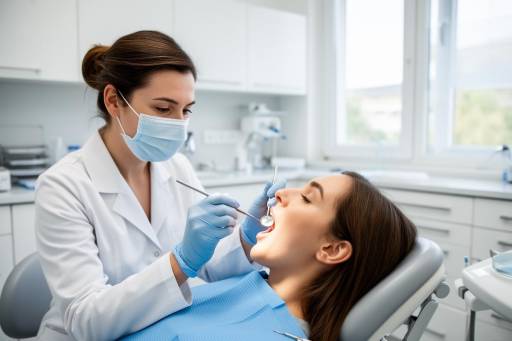
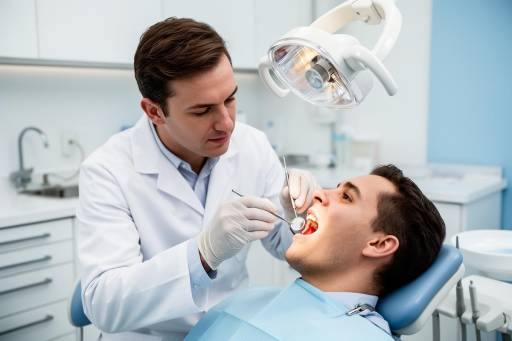
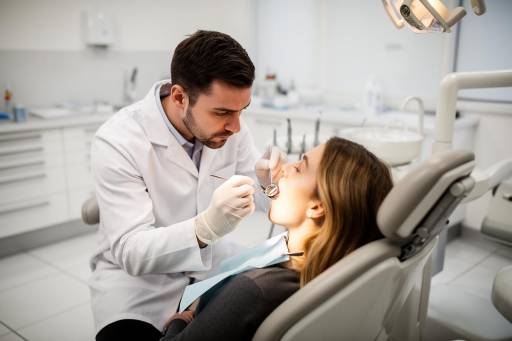
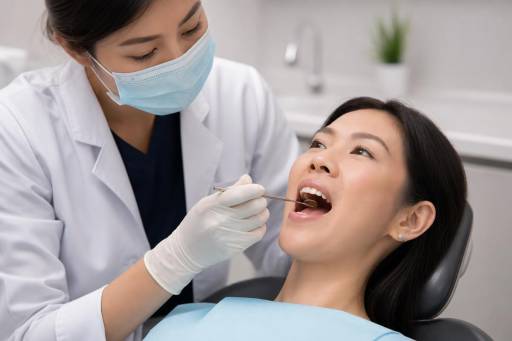
A dentist will usually begin by asking what feels different, when you first noticed it, and which activities bring it on. They may examine the restoration and the treated tooth, along with nearby teeth and surrounding tissues. Sharing whether a tooth touches first or chewing feels uneven gives the clinician useful detail, even though it does not confirm the cause.
To check contacts, the dentist may use thin marking material between upper and lower teeth. The marks help show where the teeth meet as you close or move your jaw. The clinician interprets those marks alongside your symptoms and examination. A marked contact by itself does not necessarily mean that a restoration should be altered.
If the assessment indicates that a restoration is contacting too early, the dentist may consider a conservative adjustment. The right response depends on what they find, and symptoms from another cause may need a different evaluation. Do not file, sand, or otherwise alter a crown or filling at home. If you are arranging care across countries, records describing the treatment and any adjustment can help support continuity between clinicians.
How Planning and Follow-Up Help Catch Bite Concerns
Before extensive treatment, discuss which teeth will be restored and how your dentist plans to check their contacts. When several crowns, bridges, or large fillings are involved, ask how the restorations will be assessed together as well as individually. A broader treatment plan, such as a full-mouth rehabilitation plan, may involve stages, so clarify when bite checks and reviews are expected.
During treatment, describe your bite in practical terms. For example, you can say that one tooth seems to touch first, or that chewing feels different on one side. Mention whether the sensation is new, stable, or worsening. Your feedback helps the clinician focus the assessment, though it cannot replace an examination or guarantee that a concern can be prevented.
Follow the review schedule your dentist recommends and raise new or ongoing symptoms rather than trying to adapt by avoiding one side indefinitely. If treatment is taking place abroad, ask for records of the work and any adjustments, along with clear instructions for follow-up after travel. A planned bite review after restorative dental treatment can be especially useful when you will continue care with a dentist in another country. Follow-up supports timely assessment, but no process can rule out every later problem.
Frequently Asked Questions
Q: Can a crown or large filling make my bite feel uneven?
Restore Cavities, Cracks, and Damaged Teeth
Answer a few short questions and HealthNode will help you connect with the right restorative dentist for fillings or tooth repair.
Pain, Sensitivity, and Damage
This helps us understand whether you may need a simple filling, tooth restoration, root canal evaluation, or another treatment.
Previous Dental Care and Preferences
A few details help the dentist understand the best restoration option for your tooth.
Final Details
Share anything important so the dentist can better understand your case.
Contact information
Your information is only used to contact you and is never shared with third parties.
Your request has been received!
Thank you. If you have dental X-rays, photos of the damaged tooth, previous filling records, root canal records, treatment plans, or information about tooth pain or sensitivity, please keep them ready. A HealthNode consultant will guide you through the next step.
A: Yes, a crown or large filling can change how a contact feels if its shape or height affects where teeth meet. An unfamiliar sensation can also have other causes, so it cannot confirm that the restoration is high. If it persists or affects chewing, describe the change to a dentist for assessment.
Q: How long might a new bite sensation last after treatment?
A: There is no single timeframe that applies to everyone. A mild unfamiliar feeling may settle, but ongoing or worsening discomfort should not simply be assumed to be adjustment. Contact your dentist if you are concerned or if chewing remains uncomfortable.
Q: Should I call my dentist if one tooth touches first?
A: Tell your dentist if one tooth consistently seems to touch before the others, particularly when the sensation persists or affects chewing. They can check how your teeth meet and examine the restoration and surrounding teeth. A sensation alone does not show what needs to change.
Q: Can a high restoration cause pain when chewing?
A: A restoration that contacts too early may be one possible reason for discomfort when biting, but it is not the only explanation. A dentist can check the contact and assess the treated tooth and nearby tissues. Avoid trying to diagnose the cause from pain alone.
Q: Is it safe to adjust a filling or crown at home?
A: No. Do not file, sand, or otherwise reshape a filling or crown yourself. You could damage the restoration or change its contact in an unintended way. Ask a dentist to examine it and decide whether an adjustment is appropriate.
The information provided is for educational purposes only and does not constitute medical advice. Always consult with a healthcare professional for medical guidance specific to your situation.