Quick Answer
The CDCP does not directly pay for dental fillings; reimbursement amounts for composite and amalgam fillings vary based on dental insurance policies, material costs, and coverage specifics. Composite fillings are often reimbursed at higher rates than amalgam fillings due to their higher cost and cosmetic appeal, but coverage differs by insurer and plan.
- The CDCP is a public health agency and does not provide direct payment for dental fillings.
- Dental insurance plans typically reimburse composite and amalgam fillings differently because of material costs and aesthetics.
- Composite fillings generally cost more and may be reimbursed at higher rates, especially for front teeth.
- Amalgam fillings are usually favored for back teeth due to cost-effectiveness and durability, often resulting in lower reimbursement.
- Insurance coverage varies widely by plan, insurer, and geographic region, affecting reimbursement amounts.
- Patients may have to pay the difference if choosing composite fillings when insurance limits reimbursement to amalgam prices.
- It is important for patients to review their insurance policy and consult with their dentist and insurer to understand coverage and potential out-of-pocket costs.
Does the CDCP Pay the Same Amount for Composite and Amalgam Fillings?
The Centers for Disease Control and Prevention (CDCP) does not directly pay for dental fillings, but dental insurance plans that work with or are influenced by federal guidelines may reimburse different amounts for composite and amalgam fillings. Typically, insurance coverage for these two types of fillings varies due to differences in material costs and aesthetic considerations. Composite fillings are often reimbursed at a higher rate than amalgam fillings, reflecting their higher cost and cosmetic appeal.
Dental insurance policies differ widely, and the CDCP itself is primarily a public health agency providing guidance rather than insurance reimbursement. Understanding how insurance reimburses for fillings requires looking at typical coverage policies, which often favor amalgam fillings for posterior teeth due to cost-effectiveness but may cover composite fillings more fully for front teeth or patient preference. This article will clarify common reimbursement practices and what patients should know about coverage differences between composite and amalgam fillings.
If you are considering dental fillings and want clarity on your insurance benefits, it is important to review your specific plan details and speak with your dental provider and insurer to understand how reimbursement rates may affect your out-of-pocket expenses.
Restore Cavities, Cracks, and Damaged Teeth
Answer a few short questions and HealthNode will help you connect with the right restorative dentist for fillings or tooth repair.
Pain, Sensitivity, and Damage
This helps us understand whether you may need a simple filling, tooth restoration, root canal evaluation, or another treatment.
Previous Dental Care and Preferences
A few details help the dentist understand the best restoration option for your tooth.
Final Details
Share anything important so the dentist can better understand your case.
Contact information
Your information is only used to contact you and is never shared with third parties.
Your request has been received!
Thank you. If you have dental X-rays, photos of the damaged tooth, previous filling records, root canal records, treatment plans, or information about tooth pain or sensitivity, please keep them ready. A HealthNode consultant will guide you through the next step.
How Dental Insurance Reimburses for Different Filling Materials
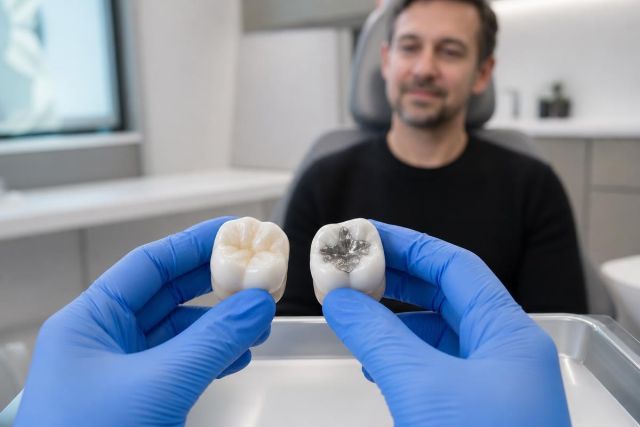
Dental insurance plans frequently reimburse amalgam and composite fillings differently because of material costs and clinical indications. Amalgam fillings, made from a mixture that includes silver and mercury, are generally less expensive and have a long history of durability. Many insurance policies set reimbursement rates to favor amalgam for back teeth where strength is prioritized over appearance.
Composite fillings, made from tooth-colored resin materials, tend to cost more because of the materials and the technique-sensitive placement process. Insurers often reimburse composite fillings at a higher rate or may cover composites only for front teeth due to their cosmetic advantage. Some plans have a reimbursement cap based on the cost of an amalgam filling, meaning the patient may pay the difference if choosing composite for posterior teeth.
Coverage policies vary by insurer and plan type. Some dental insurance providers offer equal reimbursement for both materials, especially if the composite is medically necessary or preferred by the patient. In contrast, others strictly reimburse amalgam fillings at a lower rate, reflecting traditional cost structures. Understanding your insurer's policy is key to knowing how much you will be reimbursed for a specific filling type.
Factors Influencing Reimbursement Amounts for Dental Fillings
Several factors influence how much insurance reimburses for dental fillings, including the cost of materials, geographic region, and specific policy rules. Material costs vary, with composite resins generally more expensive than amalgam due to the manufacturing process and aesthetics involved.
Insurance companies may also consider the location of the filling in the mouth. For example, posterior (back) teeth fillings are often reimbursed at lower rates for composite materials since amalgam is deemed functionally sufficient. In contrast, anterior (front) teeth fillings that require a tooth-colored appearance may receive higher reimbursement for composite fillings.
Regional differences in insurance coverage and dental fees play a role as well. Some states or regions have dental plans that provide more comprehensive coverage for cosmetic dental treatments, influencing reimbursement amounts. Additionally, employer-sponsored plans, Medicaid, or other government programs may have distinct reimbursement policies, further affecting how much you receive for composite versus amalgam fillings.
Are There Cost Differences Between Composite and Amalgam Fillings?
Composite fillings typically cost more than amalgam fillings due to the material price and the time required to place them. On average, composite resin fillings can be significantly pricier, which is often reflected in what insurance reimburses.
Amalgam fillings are valued for their durability and cost-effectiveness, making them a common choice for posterior teeth where appearance is less of a concern. Composite fillings, being tooth-colored and more aesthetically pleasing, are preferred for visible areas but come at a higher cost.
Insurance coverage often mirrors these cost differences, with many plans setting reimbursement limits based on amalgam filling prices. If you choose composite fillings in situations where insurance covers amalgam only, you may be responsible for the additional expense. Checking your plan's coverage details can help you anticipate potential out-of-pocket costs related to the choice of filling material.
What Patients Should Know About Coverage and Out-of-Pocket Expenses
Patients should understand that insurance coverage for dental fillings varies widely, and out-of-pocket expenses may depend on the filling material selected. Composite fillings, while cosmetically advantageous, often result in higher patient costs if insurance does not fully cover the difference from amalgam prices.
It's important to review your insurance policy to identify coverage limits and whether composite fillings are covered equally or only partially. Many plans require patients to pay the difference in cost when opting for a composite filling over an amalgam filling in posterior teeth.
Discuss your options with your dentist and insurance provider before treatment to clarify reimbursement rates and possible out-of-pocket expenses. Being informed enables you to make a choice that balances aesthetics, durability, and cost within your coverage framework.
Steps to Confirm Your Reimbursement Policy for Dental Fillings
To avoid surprises regarding dental filling coverage, take proactive steps to confirm your insurance reimbursement policy. Start by reviewing your dental insurance plan documents, focusing on sections about restorative treatments and material limitations.
Contact your insurance customer service for specific questions about composite versus amalgam filling coverage and reimbursement rates. Ask whether prior authorization is needed for composite fillings and if there are any restrictions based on tooth location.
Consult with your dental office as well, since many providers can assist with insurance verification and submit claims on your behalf. Confirming these details before treatment ensures you understand your financial responsibility and can plan accordingly.
Frequently Asked Questions
Q: Does the CDCP directly pay for dental fillings?
Restore Cavities, Cracks, and Damaged Teeth
Answer a few short questions and HealthNode will help you connect with the right restorative dentist for fillings or tooth repair.
Pain, Sensitivity, and Damage
This helps us understand whether you may need a simple filling, tooth restoration, root canal evaluation, or another treatment.
Previous Dental Care and Preferences
A few details help the dentist understand the best restoration option for your tooth.
Final Details
Share anything important so the dentist can better understand your case.
Contact information
Your information is only used to contact you and is never shared with third parties.
Your request has been received!
Thank you. If you have dental X-rays, photos of the damaged tooth, previous filling records, root canal records, treatment plans, or information about tooth pain or sensitivity, please keep them ready. A HealthNode consultant will guide you through the next step.
A: No, the Centers for Disease Control and Prevention (CDCP) does not directly pay for dental treatments. It is a public health agency focused on disease prevention and health promotion. Dental insurance plans and government programs handle reimbursement for dental fillings.
Q: Why do insurance reimbursements differ between composite and amalgam fillings?
A: Insurance reimbursements often differ due to the material cost and placement complexity. Composite fillings are more expensive and technique-sensitive, so insurers may reimburse them at higher rates or limit coverage based on the filling location and policy specifics.
Q: Can I get composite fillings covered fully by my insurance?
A: It depends on your insurance plan. Some plans cover composite fillings fully, especially for front teeth, while others limit coverage to amalgam prices for back teeth. Reviewing your policy or contacting your insurer can clarify your coverage options.
Q: What should I do before getting a dental filling to understand costs?
A: Review your dental insurance policy documents and contact your insurer for reimbursement details on filling materials. Speak with your dentist about recommended materials and potential out-of-pocket costs. Confirming these details beforehand helps avoid unexpected expenses.
Q: Are composite fillings better than amalgam fillings?
A: Composite fillings offer a tooth-colored appearance and are preferred for visible areas, but amalgam fillings are durable and cost-effective. The best choice depends on your dental needs, aesthetic preferences, and insurance coverage. Your dentist can help recommend the right option.
The information provided is for educational purposes only and does not constitute medical advice. Always consult with a healthcare professional for medical guidance specific to your situation.