Quick Answer
The total cost of a dental filling or restoration is calculated based on factors such as the materials used, procedure complexity, dentist's expertise, and geographic location of the clinic. Additional considerations include insurance coverage, potential extra fees, and whether treatment is sought locally or internationally.
- Material choice significantly affects cost, with options ranging from affordable amalgam to more expensive gold and ceramic.
- Procedure complexity influences price; simple fillings cost less than extensive restorations involving multiple visits or additional treatments.
- Dentist experience and specialization can increase fees due to higher skill and quality of care.
- Geographic location impacts costs, with urban areas and certain countries generally charging more for dental services.
- Insurance coverage varies and can reduce out-of-pocket expenses depending on the plan and procedure necessity.
- Dental tourism may offer lower treatment costs but requires consideration of travel expenses, follow-up care, and clinic quality.
- Obtaining a detailed, written cost estimate from a dentist helps patients budget effectively and compare treatment options.
How Is the Total Cost of a Dental Filling or Restoration Calculated?
The total cost of a dental filling or restoration is influenced by several key factors, including the materials used, the complexity of the procedure, the expertise of the dental professional, and the geographic location of the clinic. Each of these elements plays a significant role in determining the final price you can expect to pay for your dental treatment.
Materials vary widely in cost and quality, ranging from traditional amalgam to composite resins, gold, and ceramic. The choice of material affects not only the price but also the durability and appearance of the restoration. More complex procedures, such as those involving multiple visits, root canals, or crowns, naturally incur higher costs due to the additional time and skill required.
The dentist's level of experience and specialization can also impact pricing. Highly skilled practitioners may charge more, reflecting their expertise and the quality of care they provide. Geographic location is another important consideration, as dental fees can differ substantially between countries and even within regions of the same country, influenced by local economic factors and overhead costs.
Restore Cavities, Cracks, and Damaged Teeth
Answer a few short questions and HealthNode will help you connect with the right restorative dentist for fillings or tooth repair.
Pain, Sensitivity, and Damage
This helps us understand whether you may need a simple filling, tooth restoration, root canal evaluation, or another treatment.
Previous Dental Care and Preferences
A few details help the dentist understand the best restoration option for your tooth.
Final Details
Share anything important so the dentist can better understand your case.
Contact information
Your information is only used to contact you and is never shared with third parties.
Your request has been received!
Thank you. If you have dental X-rays, photos of the damaged tooth, previous filling records, root canal records, treatment plans, or information about tooth pain or sensitivity, please keep them ready. A HealthNode consultant will guide you through the next step.
Understanding these cost components helps you make informed decisions when planning your dental care, whether locally or abroad. Dental restorations can vary widely, from simple fillings to more intricate procedures, so knowing what influences pricing allows you to budget effectively and seek the best value.
If you are considering dental care in different countries, the variation in costs can be substantial. This makes it even more important to understand how these factors interact to affect your out-of-pocket expenses for dental fillings and restorations, ensuring you receive safe, effective, and affordable care.
Key Factors Influencing Dental Restoration Costs
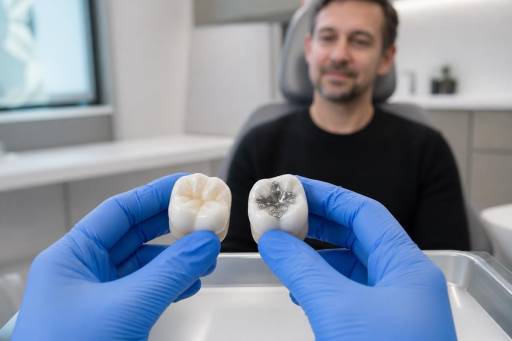
The total price of a dental filling or restoration includes several components that collectively determine the overall cost. One of the primary factors is the type of dental materials used. Options range from traditional amalgam, which is generally less expensive but less aesthetic, to composite resin that offers a natural tooth-like appearance. More premium materials such as gold or ceramic provide excellent durability and superior aesthetics but tend to be the most costly.
The complexity of the procedure also significantly influences the cost. Simple cavity fillings usually require less time and fewer materials, resulting in lower fees. In contrast, extensive restorations that involve multiple visits, specialized techniques, or additional dental work like root canals or crowns will increase the total expense. The amount of tooth structure needing repair can also affect the duration and resources required.
Geographic variation plays a major role as well. Dental care costs differ widely between countries and even between cities within the same country due to factors such as local labor costs, regulatory requirements, clinic overhead, and market demand. Urban centers typically have higher fees compared to smaller towns or rural areas.
Additional factors may include the use of advanced technology or sedation methods, which can add to the cost but may improve comfort and outcomes.
By understanding each of these components, patients can better compare treatment options and providers, ensuring they receive quality care that fits within their budget while meeting their dental health needs.
Factors Affecting the Price of Dental Fillings and Restorations
Material costs are a primary factor influencing the price of dental fillings and restorations. Amalgam fillings are generally the most affordable option but offer less aesthetic appeal, as they are silver-colored and more noticeable. Composite resin fillings provide a natural tooth-like appearance and are more aesthetically pleasing, but they come at a higher cost. Gold and ceramic materials offer excellent durability and an attractive appearance but are usually the most expensive choices due to the cost of materials and the skill required to work with them.
The experience and reputation of the dentist also impact fees. Highly skilled or specialized dentists often charge more for their expertise, reflecting the quality of care, precision in treatment, and potentially better long-term outcomes. However, while cost is an important consideration, choosing a dentist solely based on price may not always be wise. Prioritizing quality and safety ensures that the restoration is effective and reduces the risk of complications.
Location is another significant factor affecting costs. In countries such as the United States, Canada, the United Kingdom, and Australia, dental services can be costly, especially in large metropolitan areas where overhead expenses are higher. Consequently, some patients explore dental tourism options in countries where prices are lower but standards remain high, balancing affordability with quality.
Insurance coverage varies widely and can significantly affect your out-of-pocket expenses. Some insurance plans cover part or all of the cost if the procedure is deemed medically necessary, while others may offer limited or no coverage for cosmetic restorations. It is important to check with your insurance provider to understand your specific benefits and any limitations.
By considering these factors, materials, dentist expertise, location, and insurance coverage, you can make informed decisions about your dental restoration options that align with both your health needs and financial situation.
How to Estimate Your Dental Restoration Expenses
Obtaining an accurate estimate for dental restoration expenses begins with a thorough consultation with your dentist. During this appointment, the dentist will assess your oral health, evaluate the extent of any damage or decay, and discuss various treatment options tailored to your needs. This personalized evaluation is crucial to developing a detailed and realistic cost breakdown.
It is important to inquire about the different types of materials available for your restoration, such as amalgam, composite resin, gold, or ceramic. Each material has associated costs, benefits, and longevity, which can influence your decision. Understanding these options helps you weigh aesthetics, durability, and price.
Be sure to inquire about any extra fees that might not be immediately obvious, such as charges for X-rays, laboratory work, anesthesia, or follow-up visits. These can add to the total cost and should be factored into your budget.
Discussing insurance coverage upfront is vital. Providing your insurance details to the dental office allows them to verify which procedures are covered and to what extent. This information helps clarify your likely out-of-pocket expenses and avoid unexpected bills.
Request a written estimate that itemizes all anticipated charges. Having this documentation promotes transparency, helps prevent surprises, and enables you to compare prices effectively if you seek a second opinion or consider treatment options abroad. Being well-informed empowers you to make decisions that align with your financial situation and dental health goals.
Comparing Costs: Local vs. International Dental Care
Dental restorations can often be more affordable in certain countries due to lower labor costs, reduced operational expenses, and different healthcare pricing structures. As a result, many patients consider international dental care options to save money while still aiming to receive quality treatment. This approach, often referred to as dental tourism, has become increasingly popular.
However, while the initial treatment costs abroad may be lower, it is crucial to weigh these savings against additional factors. Travel expenses such as airfare, accommodation, meals, and local transportation can add substantially to the overall cost. Additionally, time off work for travel and recovery should be considered, as it may impact your income or responsibilities.
Another important consideration is the need for follow-up care. Dental restorations sometimes require adjustments, monitoring, or management of complications. Accessing follow-up treatment can be more challenging if the initial procedure was performed overseas, potentially leading to higher costs or delays in care.
Ensuring that the clinic abroad meets high safety, hygiene, and quality standards is critical to avoid complications or substandard outcomes. Researching accredited clinics and verifying provider credentials through internationally recognized dental accreditation bodies can provide reassurance. Reading verified patient reviews and testimonials can also offer insights into the clinic’s reputation and patient satisfaction.
When comparing costs, it is essential to consider the entire process holistically, including travel, accommodation, treatment fees, and recovery time. This comprehensive perspective helps determine the true value and feasibility of dental tourism for your specific restoration needs, balancing cost savings with safety and convenience.
Preparing Financially for Dental Restorations
Budgeting for dental fillings and restorations involves careful planning to accommodate both anticipated and unforeseen expenses. It is essential to start by reviewing your dental insurance benefits thoroughly, understanding the extent of your coverage, including any limits, exclusions, or waiting periods that might apply. This knowledge helps set realistic expectations about what portion of the costs will be out-of-pocket.
Many dental offices recognize that treatment costs can be a financial burden and therefore offer payment plans or financing options. These arrangements can spread the cost over several months or years, making it more manageable without delaying necessary care. It is advisable to discuss these financial options during your initial consultation to identify the best approach for your situation.
In addition to the direct costs of dental work, consider related expenses such as transportation to and from appointments, prescription medications that may be needed post-procedure, and potential additional dental treatments that could arise if complications develop or if further restorative work is recommended.
Restore Cavities, Cracks, and Damaged Teeth
Answer a few short questions and HealthNode will help you connect with the right restorative dentist for fillings or tooth repair.
Pain, Sensitivity, and Damage
This helps us understand whether you may need a simple filling, tooth restoration, root canal evaluation, or another treatment.
Previous Dental Care and Preferences
A few details help the dentist understand the best restoration option for your tooth.
Final Details
Share anything important so the dentist can better understand your case.
Contact information
Your information is only used to contact you and is never shared with third parties.
Your request has been received!
Thank you. If you have dental X-rays, photos of the damaged tooth, previous filling records, root canal records, treatment plans, or information about tooth pain or sensitivity, please keep them ready. A HealthNode consultant will guide you through the next step.
Being proactive about financial planning not only reduces stress but also helps ensure you receive timely and appropriate dental care. Without adequate preparation, patients might delay or forgo necessary treatments, which can lead to more complex and costly problems later. Careful budgeting allows you to prioritize your oral health without compromising the quality of care due to financial constraints.
Frequently Asked Questions
Q: What factors influence the cost of a dental filling?
A: The cost depends on the material used, the complexity of the procedure, the dentist’s experience, and the geographic location of the dental practice.
Q: Are dental restorations more expensive abroad?
A: Costs can be lower internationally, but it’s important to consider quality, safety standards, and the reputation of the dental provider when seeking care abroad.
Q: Does insurance typically cover the cost of dental fillings?
A: Coverage varies by insurance plan; some plans cover part of the cost, especially if the procedure is deemed medically necessary.
Q: How can I get an accurate estimate for my dental restoration?
A: Schedule a consultation with a dental professional who can evaluate your needs and provide a detailed cost estimate based on your specific case.
Q: What are the common materials used for dental fillings and their costs?
A: Common materials include amalgam, composite resin, gold, and ceramic, each with different costs and durability profiles.
Q: Is it safe to get dental work done abroad to save money?
A: Yes, if you research thoroughly and choose accredited clinics with qualified professionals, but always prioritize safety and quality.
The information provided is for educational purposes only and does not constitute medical advice. Always consult with a healthcare professional for medical guidance specific to your situation.