Quick Answer
The CDC's 24-month rule recommends that the same dental filling should not be replaced more than once within a 24-month period unless there are clinical indications such as damage or decay. This guideline helps prevent unnecessary dental procedures and supports careful evaluation before deciding on filling replacement.
- The CDC's 24-month rule is a guideline that discourages replacing the same filling more than once within 24 months unless clinically necessary.
- Fillings may need earlier replacement if there is new decay, damage, or symptoms like tooth pain or sensitivity.
- Different filling materials have varying durability; amalgam fillings last longer than composite fillings on average.
- The 24-month rule influences treatment planning and insurance coverage decisions related to filling replacements.
- Patients should communicate openly with their dentist about symptoms and concerns to personalize care and understand the rule's application.
- Regular dental check-ups help monitor fillings and determine if replacement is needed before 24 months.
- The 24-month rule is not a strict clinical mandate but a regulatory framework to avoid unnecessary dental interventions.
Need the Same Filling Replaced Again? The CDCP’s 24-Month Rule May Matter
The CDC’s 24-month rule sets a guideline for when dental fillings can be considered for replacement under certain regulatory frameworks. This rule essentially recommends that the same dental filling should not be replaced more than once within a 24-month period unless there are clinical indications such as damage, decay, or other dental health concerns. Understanding this guideline can help you navigate treatment planning and insurance considerations while maintaining your oral health.
Dental fillings play a critical role in restoring teeth affected by cavities or damage. However, they can deteriorate over time due to wear, new decay, or other factors. While the 24-month rule provides a framework, your individual dental needs might require earlier intervention. Knowing when a filling truly needs replacement and how this rule influences your dental care decisions can empower you to seek timely advice and avoid unnecessary procedures.
This article explains the CDC’s 24-month rule for dental fillings, common reasons why fillings might need earlier replacement, the durability of different filling materials, and how this regulation can affect your treatment planning. It also encourages open communication with your dentist to personalize your care approach effectively.
Restore Cavities, Cracks, and Damaged Teeth
Answer a few short questions and HealthNode will help you connect with the right restorative dentist for fillings or tooth repair.
Pain, Sensitivity, and Damage
This helps us understand whether you may need a simple filling, tooth restoration, root canal evaluation, or another treatment.
Previous Dental Care and Preferences
A few details help the dentist understand the best restoration option for your tooth.
Final Details
Share anything important so the dentist can better understand your case.
Contact information
Your information is only used to contact you and is never shared with third parties.
Your request has been received!
Thank you. If you have dental X-rays, photos of the damaged tooth, previous filling records, root canal records, treatment plans, or information about tooth pain or sensitivity, please keep them ready. A HealthNode consultant will guide you through the next step.
How the CDC’s 24-Month Rule Affects Dental Fillings Replacement
The CDC’s 24-month rule is a guideline that impacts how often the same dental filling can be replaced, particularly in contexts involving insurance coverage and regulatory compliance. It suggests that replacing the same filling more than once within 24 months is generally discouraged unless there are clear clinical reasons. This prevents unnecessary dental interventions and promotes careful evaluation before deciding on re-treatment.
This rule helps ensure that dental healthcare providers assess whether a filling still serves its purpose or if there are signs of failure such as leakage, cracking, or recurrent decay. It also helps patients and insurers avoid frequent replacements that may not be medically necessary. However, the 24-month guideline is not a strict clinical mandate but rather a regulatory framework influencing treatment and reimbursement policies.
For patients, understanding this rule means you can discuss with your dentist whether your filling truly requires replacement or if monitoring is appropriate. It encourages a balanced approach where dental health is prioritized without unnecessary procedures. If your dentist recommends a replacement before 24 months, it is important to understand the clinical reasoning behind it.
Why Fillings May Need Replacement Before 24 Months and When to Seek Dental Advice
While the CDC’s 24-month rule provides a general guideline, some circumstances require replacing a dental filling sooner. Fillings may fail or become problematic due to new decay around the edges, physical damage such as cracks or chips, or symptoms like tooth pain or sensitivity. These signs indicate that the filling is no longer protecting the tooth effectively.
You should seek dental advice promptly if you notice persistent tooth pain, sensitivity to hot or cold, visible damage to the filling, or swelling in the surrounding gum tissue. These symptoms can signal that bacteria are infiltrating the tooth beneath the filling or that the restoration has deteriorated. Early intervention can prevent more extensive dental treatments like root canals or crowns.
Your dentist will evaluate the condition of your filling through clinical examination and possibly X-rays to determine if replacement is necessary. It is important to communicate any discomfort or changes you observe in the treated tooth. Timely dental consultation helps ensure appropriate care and can override the 24-month guideline when clinically justified.
Comparing Different Types of Dental Fillings and Their Durability
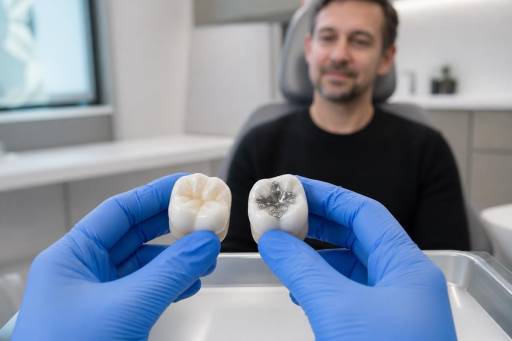
Dental fillings are made from various materials, each with different durability profiles that influence how long they typically last. Common types include composite resin (tooth-colored), dental amalgam (silver-colored), glass ionomer, and porcelain. The choice of material affects not only the lifespan but also aesthetic considerations and suitability depending on the tooth location.
Composite fillings usually last about 5 to 7 years but can sometimes require replacement sooner if exposed to heavy chewing forces. Amalgam fillings are generally more durable, lasting 10 to 15 years or more, but concerns over mercury content have led to increased use of composites. Glass ionomer fillings are less durable and often used in non-load-bearing areas or for temporary restorations.
The CDC’s 24-month rule does not dictate the material choice but may influence replacement timing based on clinical durability and health regulations. Discussing material options and their expected longevity with your dentist helps tailor treatment to your personal needs and lifestyle. Proper oral hygiene and regular dental check-ups also extend the lifespan of any filling material.
Planning Your Dental Treatment: How the 24-Month Rule Influences Your Options
The 24-month rule can affect how you and your dentist schedule dental treatments related to fillings. If a filling has been recently replaced, the guideline encourages evaluating the tooth’s condition carefully before considering another replacement. This approach helps avoid premature re-treatment and supports more conservative dental care.
When planning your dental visits, it is helpful to inform your dentist about any recent dental work and discuss the timing of potential replacements. This transparency allows your dentist to align treatment with regulatory guidelines and clinical necessity. For patients with insurance coverage tied to such rules, understanding the timing can also impact financial planning.
In some cases, if a filling is deteriorating before 24 months, your dentist might recommend alternative treatments like crowns or inlays that offer longer-lasting solutions. Engaging in treatment planning with awareness of the 24-month rule can improve outcomes by balancing regulatory compliance with your oral health needs.
Discussing Your Dental Health and Filling Needs with Your Dentist
Open communication with your dentist is essential to navigate the complexities of filling longevity and replacement timing. Sharing your concerns, symptoms, and dental history allows your dentist to provide personalized advice that respects both clinical standards and regulatory rules like the 24-month guideline.
Ask your dentist about the expected lifespan of your current fillings, signs to watch for indicating replacement, and how the 24-month rule might apply to your situation. Understanding these details can help you make informed decisions and avoid unnecessary treatments. Your dentist can also recommend preventive measures to extend the lifespan of your fillings.
Regular dental check-ups provide opportunities to monitor existing fillings and address issues early. Being proactive and asking questions empowers you to partner effectively with your dental care provider, ensuring your treatment plan aligns with your oral health goals and regulatory considerations.
Frequently Asked Questions
Q: What exactly is the CDC 24-month rule for dental fillings?
Restore Cavities, Cracks, and Damaged Teeth
Answer a few short questions and HealthNode will help you connect with the right restorative dentist for fillings or tooth repair.
Pain, Sensitivity, and Damage
This helps us understand whether you may need a simple filling, tooth restoration, root canal evaluation, or another treatment.
Previous Dental Care and Preferences
A few details help the dentist understand the best restoration option for your tooth.
Final Details
Share anything important so the dentist can better understand your case.
Contact information
Your information is only used to contact you and is never shared with third parties.
Your request has been received!
Thank you. If you have dental X-rays, photos of the damaged tooth, previous filling records, root canal records, treatment plans, or information about tooth pain or sensitivity, please keep them ready. A HealthNode consultant will guide you through the next step.
A: The CDC 24-month rule generally recommends that the same dental filling should not be replaced more than once within a 24-month period unless there is a valid clinical reason. This guideline helps prevent unnecessary dental procedures and supports careful assessment before replacement.
Q: Can I get a filling replaced sooner if I have tooth pain?
A: Yes, if you experience tooth pain, sensitivity, or notice damage to your filling, you should see your dentist promptly. These symptoms may indicate that the filling has failed or decay has developed, warranting earlier replacement despite the 24-month guideline.
Q: Do different filling materials last different amounts of time?
A: Absolutely. Amalgam fillings typically last longer, about 10 to 15 years, while composite fillings may last 5 to 7 years on average. Your dentist can recommend the best material based on your dental needs and lifestyle.
Q: How does the 24-month rule affect dental insurance coverage?
A: Insurance plans may use the 24-month rule to determine coverage eligibility for filling replacements. This means replacements within 24 months might not be covered unless justified by clinical necessity. It's important to check with your provider and discuss this with your dentist.
Q: What should I discuss with my dentist about my fillings?
A: Talk openly about your filling history, any symptoms you have, and concerns about replacement timing. Ask about the durability of your fillings and how the 24-month rule may apply. This helps your dentist tailor your treatment plan to your needs.
The information provided is for educational purposes only and does not constitute medical advice. Always consult with a healthcare professional for medical guidance specific to your situation.