Quick Answer
The cost of dental fillings and restorations is influenced by the type of materials used, the complexity of the dental condition, the geographic location, and the experience of the dental provider. Additional factors include the need for sedation or anesthesia and diagnostic tests.
- Dental fillings and restorations repair teeth affected by decay or damage and vary in cost based on materials and procedure complexity.
- Common filling materials include amalgam, composite resin, gold, and ceramic, each differing in cost, durability, and aesthetics.
- More complex dental cases requiring extensive work or multi-surface restorations increase the overall cost.
- Dental treatment costs vary by location, with urban areas and countries like the United States generally having higher fees than rural areas or other countries.
- Experienced and highly qualified dentists may charge more due to their expertise and advanced skills.
- Insurance coverage for fillings and restorations varies, so patients should verify benefits with their provider.
- Budgeting for dental care can involve obtaining detailed cost estimates, considering financing options, and discussing material choices with the dentist.
What Factors Affect the Cost of Dental Fillings and Restorations?
The cost of dental fillings and restorations varies widely depending on several important factors. These include the type of materials used, the complexity of your dental condition, your location, and the expertise of your dental provider. Understanding these elements can help you make informed decisions and plan your budget effectively for necessary dental care.
Dental fillings and restorations serve to repair teeth affected by decay, damage, or wear. They restore function and appearance, often preventing more extensive treatments down the line. Since these procedures involve different techniques and materials, the pricing reflects both the clinical needs and the choices you make.
If you are considering dental fillings or restorations, it helps to know the basics of what these treatments involve and how various factors influence their cost. This foundational knowledge empowers you to communicate clearly with your dentist and assess what fits your health needs and financial situation best.
Restore Cavities, Cracks, and Damaged Teeth
Answer a few short questions and HealthNode will help you connect with the right restorative dentist for fillings or tooth repair.
Pain, Sensitivity, and Damage
This helps us understand whether you may need a simple filling, tooth restoration, root canal evaluation, or another treatment.
Previous Dental Care and Preferences
A few details help the dentist understand the best restoration option for your tooth.
Final Details
Share anything important so the dentist can better understand your case.
Contact information
Your information is only used to contact you and is never shared with third parties.
Your request has been received!
Thank you. If you have dental X-rays, photos of the damaged tooth, previous filling records, root canal records, treatment plans, or information about tooth pain or sensitivity, please keep them ready. A HealthNode consultant will guide you through the next step.
Dental Fillings and Restorations: Essential Information and Insights
Dental fillings and restorations are dental treatments designed to repair and restore damaged or decayed teeth. Fillings typically address cavities by removing decay and filling the space with a restorative material, while restorations can include more extensive repairs such as crowns, inlays, and onlays.
Common types of dental fillings include amalgam (silver), composite resin (tooth-colored), gold, and ceramic. Each type serves the purpose of sealing the tooth and restoring its shape and function. Restorations may involve more complex procedures depending on the extent of tooth damage.
The procedure generally begins with a thorough dental examination and X-rays. The dentist removes decayed or damaged tooth material, cleans the area, and fills or reconstructs the tooth using the chosen material. This process helps prevent further decay and maintains your oral health.
Knowing the types of fillings and restorations available and their basic procedural steps provides a foundation for understanding why costs can vary significantly based on clinical and material factors.
Key Factors Influencing the Cost of Dental Fillings and Restorations
Multiple factors influence the overall cost of dental fillings and restorations. One primary factor is the choice of material since some materials are inherently more expensive due to their durability, appearance, or complexity in application.
The complexity of your dental case also plays a significant role. Teeth with extensive decay or damage may require more time and specialized techniques, increasing the procedure cost. Similarly, larger fillings or multi-surface restorations demand more material and chair time.
Geographic location affects pricing because dental service costs vary by region and country. Urban centers or areas with a higher cost of living tend to have higher dental fees. Additionally, the experience and reputation of your dental provider influence costs, as highly skilled dentists with advanced training may charge more for their expertise.
Other considerations include whether additional procedures like sedation or anesthesia are needed and if diagnostic tests are part of the treatment plan. All these elements combine to create a personalized cost estimate for your dental care.
Comparing Material Options and Their Price Implications
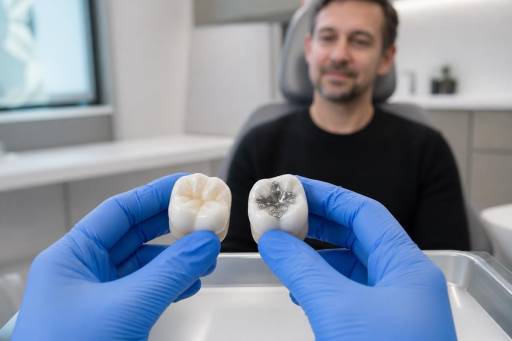
The choice of filling material significantly impacts both the cost and longevity of dental restorations. Amalgam fillings, made from a mixture of metals, tend to be the most cost-effective option. They are durable but less aesthetic, often noticeable due to their silver color.
Composite resin fillings are popular for their tooth-colored appearance and ability to blend seamlessly with natural teeth. However, they usually cost more than amalgam because their application requires more time and technique.
Gold fillings are among the most expensive due to the high cost of the metal and their exceptional durability. They are less common but valued for their longevity and biocompatibility.
Ceramic restorations, such as porcelain, offer excellent aesthetics and durability but come at a higher price point. They often require custom fabrication in a dental lab, adding to the cost.
Each material offers a balance of cost, appearance, and durability, so discussing your priorities with your dentist can help you choose the best option for your needs.
How Location and Provider Experience Influence Dental Treatment Costs
Dental treatment costs can vary notably based on where you receive care. Urban and metropolitan areas generally have higher fees due to elevated operational costs such as rent, staff salaries, and regulatory fees. Rural or less densely populated areas may offer more affordable pricing.
Country-specific differences in healthcare systems and insurance coverage also impact dental costs. For example, the United States typically has higher dental fees compared to the United Kingdom, Canada, or Australia, reflecting differences in market and healthcare infrastructure.
Your dentist’s experience and qualifications are crucial cost determinants. Highly experienced providers or specialists may charge premium fees that reflect their expertise and advanced skills. This can result in better outcomes and personalized care but also higher expenses.
When choosing your provider, consider both cost and quality. Selecting a reputable dentist with proper credentials ensures safe and effective treatment, which might justify a higher price. Balancing these factors helps you get value for your investment in dental health.
Budgeting and Planning for Dental Restorations: Tips for Patients
Planning your budget for dental fillings and restorations starts with understanding your insurance coverage. Many dental insurance plans cover at least a portion of filling costs, but coverage varies widely, so it’s important to verify details with your provider.
If insurance coverage is limited or unavailable, financing options such as dental payment plans or credit can make treatment more affordable by spreading costs over time. Some dental clinics offer in-house financing or work with third-party lenders.
Choosing cost-effective treatment options without compromising quality is also key. For example, composite fillings may cost more upfront than amalgam but offer better aesthetics and durability.
Obtaining a detailed treatment plan and cost estimate from your dentist before starting procedures helps you anticipate expenses. Comparing prices among providers and considering dental tourism for certain cases might provide additional savings while ensuring quality care.
Restore Cavities, Cracks, and Damaged Teeth
Answer a few short questions and HealthNode will help you connect with the right restorative dentist for fillings or tooth repair.
Pain, Sensitivity, and Damage
This helps us understand whether you may need a simple filling, tooth restoration, root canal evaluation, or another treatment.
Previous Dental Care and Preferences
A few details help the dentist understand the best restoration option for your tooth.
Final Details
Share anything important so the dentist can better understand your case.
Contact information
Your information is only used to contact you and is never shared with third parties.
Your request has been received!
Thank you. If you have dental X-rays, photos of the damaged tooth, previous filling records, root canal records, treatment plans, or information about tooth pain or sensitivity, please keep them ready. A HealthNode consultant will guide you through the next step.
Being proactive about budgeting allows you to receive necessary dental restorations without unexpected financial stress.
Frequently Asked Questions
Q: What determines the cost of a dental filling?
A: The cost of a dental filling depends on the material used, the size and location of the cavity, the complexity of the procedure, and the dentist's experience. Geographic location and whether additional treatments like anesthesia are needed also affect pricing.
Q: Are tooth-colored fillings more expensive than silver ones?
A: Yes, tooth-colored composite resin fillings generally cost more than silver amalgam fillings because they require more time to place and involve materials that blend with your natural tooth color. They offer better aesthetics but at a higher price point.
Q: Does dental insurance usually cover fillings and restorations?
A: Most dental insurance plans cover a portion of the cost for fillings and some restorations, but coverage levels vary. It’s important to review your specific plan details or consult your insurer to understand your benefits.
Q: Can the location of the dental clinic affect treatment costs?
A: Yes, dental costs can vary significantly depending on the clinic's geographic location. Urban centers and developed countries often have higher fees due to increased operational costs, whereas smaller towns or regions with lower living costs may offer more affordable prices.
Q: How can I plan financially for dental restorations?
A: Start by checking your insurance coverage and asking your dentist for a detailed treatment plan with cost estimates. Consider financing options like payment plans if needed, and discuss material choices with your dentist to find a balance between cost and quality.
The information provided is for educational purposes only and does not constitute medical advice. Always consult with a healthcare professional for medical guidance specific to your situation.