Quick Answer
Dental implants can replace one tooth, several teeth, or a full arch by providing stable, natural-looking restorations tailored to individual needs. They offer a durable and effective solution for various tooth replacement scenarios.
- Dental implants integrate with the jawbone to support crowns, bridges, or dentures that mimic natural teeth.
- Single tooth implants replace one missing tooth without affecting adjacent teeth.
- Implant-supported bridges or partial dentures can replace multiple teeth using fewer implants.
- Full arch replacements use several implants to anchor a complete set of prosthetic teeth, restoring an entire jaw.
- Successful implant placement depends on sufficient bone density and overall oral health.
- The implant procedure involves surgical placement, healing for osseointegration, and attachment of prosthetic teeth.
- Dental implants provide superior stability, preserve jawbone health, and often last longer than traditional bridges or dentures.
Can Dental Implants Replace One Tooth, Several Teeth, or a Full Arch?
Dental implants offer a flexible and effective solution for replacing missing teeth, whether you need to restore a single tooth, several teeth, or an entire arch. These titanium posts integrate with your jawbone to provide a stable foundation for natural-looking crowns, bridges, or dentures. By mimicking the function and appearance of natural teeth, dental implants help restore chewing ability, speech clarity, and smile aesthetics.
Missing teeth can result from injury, decay, or periodontal disease, and dental implants have become the preferred choice for many patients seeking long-term tooth replacement. Unlike traditional dentures or bridges, implants provide superior stability and preserve jawbone health by stimulating bone growth. This versatility means you can opt for a single implant if only one tooth is lost, or choose full arch implant restorations if multiple or all teeth in an arch are missing.
Understanding the types of implants and how they can match your specific needs will empower you to make an informed decision. This guide walks you through the implant options available for different scenarios, candidacy factors, the procedure itself, and the benefits that make implants stand out among tooth replacement choices.
Find Out If Dental Implants Are Right for You
Answer a few short questions and HealthNode will help you connect with the right dental implant specialist.
Your Main Goal
This helps us understand which implant option may be most relevant for you.
Dental Health and Previous Tests
A few details help us understand whether you may need imaging, bone grafting, gum treatment, or implant planning.
Health and Healing Factors
These details help the specialist understand any factors that may affect implant healing.
Contact information
Your information is only used to contact you and is never shared with third parties.
Your request has been received!
Thank you. If you have dental X-rays, panoramic X-ray, CBCT scan, treatment plan, tooth extraction notes, gum disease records, or previous implant records, please keep them ready. A HealthNode consultant will guide you through the next step.
Different Types of Dental Implants for Varying Needs
Dental implants can be tailored to replace one tooth, multiple teeth, or a full arch, with distinct approaches for each case. For a single missing tooth, a single tooth implant involves placing one implant post into the jawbone, topped with a crown that looks and functions like your natural tooth. This option is ideal if you have healthy adjacent teeth because it does not require altering them, unlike bridges.
When replacing multiple teeth, implant-supported bridges or partial dentures come into play. Instead of placing an implant for every missing tooth, implants are strategically positioned to support a bridge or denture that spans the gap. This approach reduces the number of implants needed while maintaining stability and chewing efficiency.
For full arch replacement, several implants (often 4 to 6) anchor a complete set of prosthetic teeth. This technique, sometimes called "All-on-4" or "All-on-6," provides a fixed or removable denture option that restores an entire upper or lower jaw. Full arch implants offer excellent support and prevent the bone loss commonly associated with traditional dentures.
Each implant type requires assessment of your bone density, oral health, and functional needs to devise the best treatment plan. Your dentist or oral surgeon will guide you through these implant options to match your situation and goals.
Assessing Your Suitability for Dental Implants
Not everyone is an immediate candidate for dental implants. Successful implant placement depends significantly on the quality and quantity of your jawbone, as implants need a stable bone foundation to fuse with through a process called osseointegration.
Bone density is a critical factor. If you have experienced bone loss due to missing teeth, gum disease, or other oral health issues, you may require bone grafting before implants can be placed. Your dental professional will perform a comprehensive oral health assessment, including imaging like X-rays or CT scans, to evaluate your bone structure and overall oral condition.
Other factors influencing candidacy include your general health, smoking status, and any chronic conditions like diabetes that could affect healing. Good oral hygiene and a commitment to maintaining your implants are also essential for long-term success.
If you are interested in implants but have concerns about bone or health issues, your dentist can discuss preparatory treatments or alternative options. A personalized evaluation is the first step to determine the best path forward for your tooth replacement needs.
The Dental Implant Procedure: What to Expect
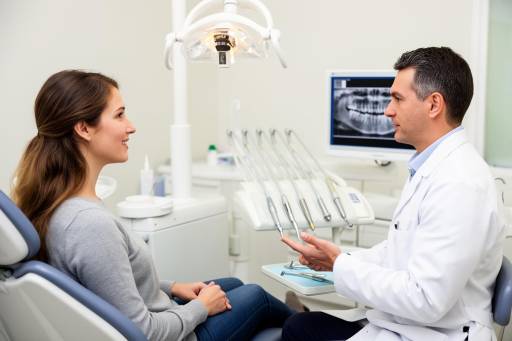
The dental implant process involves several stages starting with an initial consultation and oral examination. Your dentist will review your medical history, assess your oral health, and plan the implant placement using detailed imaging.
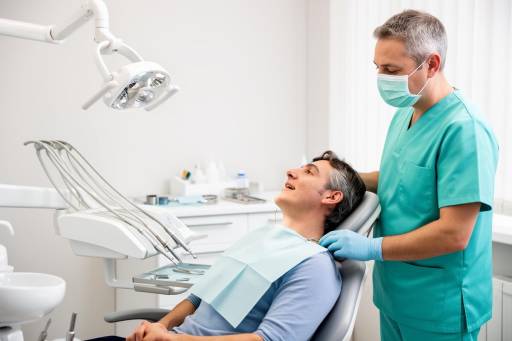
During the surgical procedure, titanium implants are placed into your jawbone under local anesthesia or sedation. This is typically an outpatient procedure with minimal discomfort. After implant placement, a healing period of several months is necessary to allow osseointegration, where the bone fuses securely around the implant.
Once healed, an abutment is attached to the implant to connect the prosthetic tooth or teeth. For single implants, a crown is custom-made to match your natural teeth. For multiple or full arch replacements, bridges or dentures are fabricated and secured onto the implants.
Post-operative care includes managing any soreness with prescribed pain relievers, maintaining excellent oral hygiene, and attending regular follow-up visits. Healing times and specific steps may vary based on your treatment plan and individual healing response, but your dental team will provide clear guidance throughout.
Benefits of Dental Implants Over Other Tooth Replacement Options
Dental implants offer several advantages compared to traditional bridges or dentures. Unlike bridges, implants do not rely on adjacent teeth for support, preserving the health and integrity of your natural teeth. Bridges require grinding down neighboring teeth, which can weaken them over time.
Compared to removable dentures, implants provide superior stability and comfort. They prevent the slipping or clicking associated with dentures, enhancing your ability to chew and speak confidently. Implants also help maintain jawbone density by stimulating the bone, reducing the bone loss that dentures cannot prevent.
The durability of dental implants is another benefit. With proper care, implants can last many years, often a lifetime, whereas bridges and dentures may need replacement or adjustments over time.
Choosing implants can lead to improved oral function, aesthetics, and long-term oral health, making them a preferred option for many patients seeking tooth replacement.
Maintaining Your Dental Implants for Longevity
Caring for dental implants is essential to ensure their longevity and continued function. Implants require the same diligent oral hygiene practices as natural teeth, including brushing twice daily and flossing around the implant area to prevent plaque buildup.
Regular dental check-ups allow your dentist to monitor the implants and surrounding tissues for any signs of complications like peri-implantitis, an inflammation similar to gum disease that can affect implants.
Avoiding smoking and maintaining a balanced diet support overall oral health and healing. If you participate in activities that risk injury to your mouth, protective gear like mouthguards can help safeguard your implants.
By following these maintenance steps and staying in close communication with your dental care team, you can enjoy the benefits of your dental implants for many years with minimal issues.
Frequently Asked Questions
Q: Are dental implants suitable for everyone?
Find Out If Dental Implants Are Right for You
Answer a few short questions and HealthNode will help you connect with the right dental implant specialist.
Your Main Goal
This helps us understand which implant option may be most relevant for you.
Dental Health and Previous Tests
A few details help us understand whether you may need imaging, bone grafting, gum treatment, or implant planning.
Health and Healing Factors
These details help the specialist understand any factors that may affect implant healing.
Contact information
Your information is only used to contact you and is never shared with third parties.
Your request has been received!
Thank you. If you have dental X-rays, panoramic X-ray, CBCT scan, treatment plan, tooth extraction notes, gum disease records, or previous implant records, please keep them ready. A HealthNode consultant will guide you through the next step.
A: While dental implants are a versatile solution, suitability depends on factors like bone density, oral health, and overall health. A consultation with a dental professional is necessary to determine candidacy.
Q: How long do dental implants last?
A: With proper care, dental implants can last many years, often a lifetime. Regular check-ups and good oral hygiene are essential for longevity.
Q: Is the dental implant procedure painful?
A: The procedure is performed under anesthesia, and most patients experience minimal discomfort. Post-operative soreness can be managed with pain relievers prescribed by the dentist.
Q: How do dental implants compare cost-wise to other options?
A: Although initially more expensive than bridges or dentures, dental implants tend to be more durable and may be more cost-effective over time due to their longevity.
Q: What is the recovery time after implant placement?
A: Recovery typically takes a few days to a week, with full healing and osseointegration occurring over several months. Your dentist will provide specific post-op instructions.
Q: Can dental implants be used to replace a full arch of teeth?
A: Yes, full arch restoration with dental implants is common and can provide a stable, natural-looking solution for replacing all teeth in an arch.
The information provided is for educational purposes only and does not constitute medical advice. Always consult with a healthcare professional for medical guidance specific to your situation.