Quick Answer
Yes, you can get dental implants if you have several missing teeth, provided you have adequate bone density, good oral health, and no contraindicating medical conditions. Various implant options exist to replace multiple teeth, including individual implants, implant-supported bridges, and full arch restorations.
- Eligibility for multiple dental implants depends on bone density, oral health, and overall medical condition.
- Bone grafting or sinus lifts may be necessary if there is insufficient bone to support implants.
- Dental implant options for multiple missing teeth include individual implants, implant-supported bridges, and full arch restorations.
- The implant procedure involves evaluation, surgical placement, healing (osseointegration), and attachment of prosthetic teeth.
- Maintaining implants requires good oral hygiene, regular dental check-ups, and avoiding smoking and harmful habits.
- Dental implants can improve chewing, speech, comfort, and aesthetics compared to traditional dentures.
- Choosing dental implants abroad requires careful research, verifying provider credentials, and ensuring post-operative care availability.
Can You Get Dental Implants If You Have Several Missing Teeth?
Dental implants are a viable and effective solution for patients with several missing teeth, offering a modern alternative to traditional dentures or bridges. Whether you have lost a few teeth due to injury, decay, or periodontal disease, or require restoration of a full arch, various dental implant options exist that can restore both function and aesthetics. Your eligibility for implants depends on several factors including bone density, oral health status, and your overall medical condition.
Replacing multiple teeth with dental implants offers significant advantages over conventional prosthetics. Implants help preserve jawbone health by stimulating bone growth and preventing the bone loss that typically occurs after tooth loss. They also provide stable, long-lasting support for prosthetic teeth, improving chewing ability, speech clarity, and overall comfort compared to removable dentures.
For many patients, dental implants can dramatically enhance self-confidence and quality of life by restoring a natural-looking smile and reliable oral function. However, exploring these options, especially when considering treatment abroad, requires understanding the types of implants available, the surgical and restorative procedures involved, and how to maintain implants for long-term success.
Find Out If Dental Implants Are Right for You
Answer a few short questions and HealthNode will help you connect with the right dental implant specialist.
Your Main Goal
This helps us understand which implant option may be most relevant for you.
Dental Health and Previous Tests
A few details help us understand whether you may need imaging, bone grafting, gum treatment, or implant planning.
Health and Healing Factors
These details help the specialist understand any factors that may affect implant healing.
Contact information
Your information is only used to contact you and is never shared with third parties.
Your request has been received!
Thank you. If you have dental X-rays, panoramic X-ray, CBCT scan, treatment plan, tooth extraction notes, gum disease records, or previous implant records, please keep them ready. A HealthNode consultant will guide you through the next step.
Discussing your personal health history and current dental condition with a qualified implant specialist is essential to determine the best approach tailored to your unique needs. This overview aims to guide you through key considerations, helping you feel informed and empowered about the process of getting dental implants if you have multiple missing teeth.
Assessing Your Eligibility for Multiple Dental Implants
Your eligibility for multiple dental implants primarily depends on your oral health and the quality of your jawbone. Adequate bone density and volume are essential because implants require a strong and stable foundation to integrate successfully with the bone and provide reliable support for replacement teeth. If significant bone loss has occurred due to tooth loss or periodontal disease, preparatory procedures such as bone grafting or sinus lifts may be necessary to rebuild sufficient bone volume before implant placement.
In addition to bone quality, your overall oral health plays a critical role. Healthy gums free from active periodontal disease create a more favorable environment for implant success and reduce the risk of complications. Your dentist will evaluate the condition of your gums and treat any infections or inflammation prior to proceeding with implants.
Your general health and lifestyle factors also influence healing and integration. Conditions such as uncontrolled diabetes, autoimmune disorders, or medications that affect bone metabolism can impact implant outcomes. Smoking is a particularly important risk factor, as it impairs blood flow and healing, increasing the chance of implant failure.
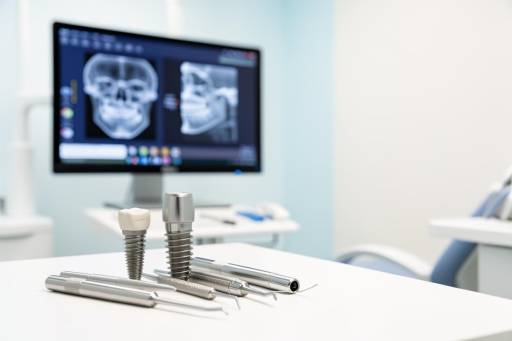
Before proceeding, your dentist will conduct a thorough assessment including clinical examination and imaging studies such as CT scans to evaluate bone volume, density, and anatomical structures. This comprehensive evaluation helps tailor the implant treatment plan to your unique anatomy and health status.
Many patients with multiple missing teeth are suitable candidates for dental implants once these factors are optimized. Addressing any health concerns and following your dentist’s recommendations can enable effective and lasting implant placement, improving both function and aesthetics.
Different Types of Dental Implant Solutions for Multiple Missing Teeth
When replacing multiple missing teeth, several dental implant options are available depending on your individual needs, oral anatomy, and treatment goals. One common approach is placing individual implants to replace each missing tooth separately. This method offers the most natural function and appearance, as each implant supports a single crown. However, it may require placing more implants and involve more extensive surgery, which can increase treatment time and cost.
Another option is implant-supported bridges, which use fewer implants to support a prosthetic bridge that replaces several teeth in a row. This approach is more cost-effective and less invasive than placing individual implants for each tooth, while still providing strong chewing support and a natural look. Implant-supported bridges can be a practical solution when multiple adjacent teeth are missing.
For patients with extensive tooth loss or those requiring full arch restoration, full arch dental implants may be recommended. This technique involves strategically placing a limited number of implants, often four to six, to anchor a full set of prosthetic teeth. This option can restore complete dental function and aesthetics efficiently, often with fewer surgical sessions and shorter overall treatment time compared to replacing each tooth individually.
Choosing the right implant solution involves considering several factors such as the condition of your jawbone, the number and location of missing teeth, your budget, and your desired outcome in terms of appearance and function. Your implant specialist will evaluate these factors and guide you through the options to find the best fit for your oral health and lifestyle.
Each treatment plan is personalized to balance effectiveness, durability, and patient comfort, ensuring that you receive a restoration that meets your expectations and supports long-term oral health.
The Dental Implant Procedure: What to Expect When Replacing Multiple Teeth
The dental implant procedure for replacing multiple missing teeth typically begins with a comprehensive evaluation and planning phase. This includes detailed imaging such as 3D CT scans and impressions of your mouth to assess bone quality, quantity, and the spatial relationship of anatomical structures. This information allows your dentist to design a customized treatment plan tailored to your specific needs and oral anatomy.
During the surgical phase, dental implants are carefully placed into the jawbone under local anesthesia or sedation, depending on your comfort and the complexity of the procedure. The number of implants placed can vary; some patients may receive all implants in a single session, while others may require multiple sessions. In cases where there is insufficient bone to support implants, bone grafting or sinus lift procedures may be performed either prior to or simultaneously with implant placement to create a stable foundation.
Following implant placement, a healing period known as osseointegration occurs. During this time, which can last several months, the implants gradually fuse with the surrounding bone, providing the necessary stability to support prosthetic teeth. This phase is critical for the long-term success of the implants.
Once healing is complete, abutments are attached to the implants, and custom-made prosthetic teeth, such as crowns, bridges, or full arch restorations, are secured. These restorations are designed to restore both the function and aesthetics of your natural teeth.
Recovery after surgery involves managing common side effects such as swelling, bruising, and mild discomfort. Your dentist will prescribe medications to help control pain and prevent infection. It is important to follow postoperative care instructions closely, including dietary recommendations, oral hygiene practices, and activity limitations, to support healing.
Throughout the entire process, your dentist will provide detailed guidance tailored to the complexity of replacing multiple teeth, ensuring that you understand each step and what to expect. This personalized approach helps facilitate a smooth recovery and successful integration of your dental implants.
Factors to Consider Before Opting for Dental Implants Abroad
Choosing to get dental implants abroad can offer potential cost savings and access to experienced specialists, but it requires careful planning and thorough research to ensure safety and quality outcomes. Quality standards and regulations vary widely between countries and even among clinics within the same country. Therefore, it is important to verify the credentials, accreditations, and patient reviews of the dental provider you select to confirm their expertise and reliability.
Communication is another key factor to consider. You should ensure that your dental team can provide clear explanations about the treatment process, risks, and expected outcomes. Effective communication is especially critical when coordinating care across international borders, including pre-treatment consultations and post-operative follow-up appointments. Language barriers or limited availability of your provider after treatment can complicate recovery.
Post-operative care is essential for the success of dental implants, particularly when traveling internationally. Confirm that arrangements are in place for managing any complications or adjustments after you return home. This might include having a local dentist familiar with implant care who can assist if issues arise. Understanding the clinic’s policies on handling complications and warranty coverage is also important.
Prioritize clinics that offer transparent treatment plans, utilize modern technology such as digital imaging and guided surgery, and have extensive experience in handling multiple implant cases. These factors contribute to safer procedures and better outcomes.
Consulting with your local dentist before and after treatment abroad helps ensure continuity of care and supports long-term implant health. Your local provider can assist with initial assessments, ongoing maintenance, and managing any future concerns, making the overall treatment journey smoother and safer.
Maintaining Your Dental Implants for Long-Term Success
Maintaining dental implants after placement is crucial for their longevity and your overall oral health. Consistent oral hygiene practices, including brushing at least twice daily with a soft-bristled toothbrush and using floss or interdental brushes specifically designed for implants, help prevent plaque buildup and gum inflammation around the implant site. Unlike natural teeth, implants do not have a periodontal ligament, so meticulous cleaning is essential to avoid peri-implant diseases.
Regular dental check-ups are vital as they allow your dentist to closely monitor the health of your implants and surrounding tissues. During these visits, professional cleanings are performed using instruments that will not scratch the implant surface, which helps prevent bacterial colonization and complications like peri-implantitis, an inflammatory condition that can lead to implant failure if untreated.
Lifestyle choices also play a significant role in implant maintenance. Avoiding tobacco products is especially important since smoking can impair healing, reduce blood flow to the gums, and increase the risk of implant failure. Limiting excessive alcohol consumption supports tissue health and healing as well. Additionally, maintaining a balanced diet rich in vitamins and minerals, such as calcium and vitamin D, promotes healthy gums and bone, which are essential for implant stability.
Find Out If Dental Implants Are Right for You
Answer a few short questions and HealthNode will help you connect with the right dental implant specialist.
Your Main Goal
This helps us understand which implant option may be most relevant for you.
Dental Health and Previous Tests
A few details help us understand whether you may need imaging, bone grafting, gum treatment, or implant planning.
Health and Healing Factors
These details help the specialist understand any factors that may affect implant healing.
Contact information
Your information is only used to contact you and is never shared with third parties.
Your request has been received!
Thank you. If you have dental X-rays, panoramic X-ray, CBCT scan, treatment plan, tooth extraction notes, gum disease records, or previous implant records, please keep them ready. A HealthNode consultant will guide you through the next step.
Patients should also be aware of habits that may jeopardize implant longevity, such as teeth grinding or using implants to bite excessively hard objects. Wearing a night guard may be recommended if bruxism is present.
By diligently following these maintenance steps and adhering to your dentist’s personalized recommendations, you can maximize the lifespan of your dental implants. This commitment helps preserve not only the function and appearance of your implants but also your overall oral health for many years to come.
Frequently Asked Questions
Q: Is it possible to get dental implants if I have multiple missing teeth?
A: Yes, many patients with several missing teeth are suitable candidates for dental implants, depending on their oral health and bone support.
Q: How many teeth can be replaced with dental implants?
A: The number varies based on individual needs; options include single implants, implant-supported bridges, or full arch replacements.
Q: Do I need bone grafts before getting dental implants?
A: Bone grafts may be necessary if there is insufficient bone density to support the implants, which is common in cases of multiple missing teeth.
Q: Are dental implants a good option for older adults?
A: Yes, age is not a barrier; overall health and bone condition are more important factors.
Q: What are the risks associated with multiple dental implants?
A: Risks include infection, nerve damage, and implant failure, but these are minimized with proper planning and experienced surgeons.
Q: Can I get dental implants outside my home country?
A: Yes, dental tourism is popular for implant procedures, but it’s important to choose reputable providers with qualified clinicians.
The information provided is for educational purposes only and does not constitute medical advice. Always consult with a healthcare professional for medical guidance specific to your situation.