Quick Answer
Pain around a dental implant is normal during the initial healing period but persistent, worsening, or severe pain may indicate complications such as infection, implant failure, or nerve injury and requires dental evaluation.
- Mild to moderate pain and swelling are common and expected for several days after dental implant surgery as part of normal healing.
- Pain that persists beyond 7 to 10 days, worsens, or is accompanied by fever, pus, or unusual swelling may signal infection or other complications.
- Symptoms like increasing swelling, redness, discharge, numbness, or tingling around the implant site suggest potential implant problems needing prompt dental care.
- Early dental consultation is important for unusual or severe pain to diagnose issues like infection, implant loosening, or nerve injury and to prevent further damage.
- Maintaining good oral hygiene and following post-operative care instructions help minimize risks and support healing after implant placement.
- Regular follow-up appointments allow dentists to monitor implant integration, detect early problems, and reinforce care instructions.
- Recognizing and reporting abnormal symptoms early improves the chances of preserving the implant and ensuring successful recovery.
When Is Pain Around a Dental Implant a Sign of a Problem?
Pain around a dental implant after surgery is often part of the normal healing process. Mild to moderate discomfort, tenderness, and slight swelling can occur for several days as your body adjusts to the implant. However, persistent, worsening, or severe pain may indicate a problem such as infection, implant failure, or nerve injury.
Recognizing the difference between normal post-surgical discomfort and signs of complications is crucial to protect your oral health and the success of your implant. While some pain is expected, paying attention to symptom patterns and additional signs like swelling, numbness, or discharge can help you decide when to seek professional care.
Dental implants are generally safe and effective, but complications can arise. Prompt consultation with a qualified dental professional ensures timely diagnosis and treatment, reducing the risk of implant loss or more serious issues. This guide will help you understand when pain around a dental implant warrants attention and how to support your recovery effectively.
Find Out If Dental Implants Are Right for You
Answer a few short questions and HealthNode will help you connect with the right dental implant specialist.
Your Main Goal
This helps us understand which implant option may be most relevant for you.
Dental Health and Previous Tests
A few details help us understand whether you may need imaging, bone grafting, gum treatment, or implant planning.
Health and Healing Factors
These details help the specialist understand any factors that may affect implant healing.
Contact information
Your information is only used to contact you and is never shared with third parties.
Your request has been received!
Thank you. If you have dental X-rays, panoramic X-ray, CBCT scan, treatment plan, tooth extraction notes, gum disease records, or previous implant records, please keep them ready. A HealthNode consultant will guide you through the next step.
Common Causes of Post-Procedure Discomfort and When It Warrants Attention
Experiencing some pain after dental implant surgery is common and usually reflects the natural healing process. The surgical placement of an implant involves incisions, bone drilling, and tissue manipulation, which can cause soreness, swelling, and mild bleeding for a few days. This discomfort generally decreases steadily within the first week.
Normal healing pain is typically manageable with over-the-counter pain relievers and should not intensify over time. You may also notice some gum tenderness and sensitivity around the implant site as the tissues recover. Minor bruising and stiffness in the jaw muscles are not unusual.
However, if your pain persists beyond 7 to 10 days, becomes more intense, or is accompanied by symptoms like fever, pus, or unusual swelling, these signs suggest an infection or other complications. Implant failure symptoms can include loosening of the implant, continuous throbbing pain, or difficulty chewing.
Monitoring your pain closely and noting any changes can help you distinguish between expected post-surgical discomfort and issues requiring dental evaluation. When pain disrupts your daily activities or worsens rather than improves, it is important to seek professional advice promptly.
Recognizing Symptoms That Indicate a Potential Implant Complication
Certain symptoms around a dental implant suggest that complications may be developing and warrant closer attention. Persistent pain that does not improve or worsens over time is a red flag. This pain may be sharp, throbbing, or constant and can interfere with eating or speaking.
Swelling that increases instead of subsiding, especially if accompanied by redness or warmth around the implant site, often indicates infection. You may also notice discharge, such as pus or bleeding, which is not part of normal healing. Numbness or a tingling sensation in the lips, chin, or gums may signal nerve injury caused during the implant placement.
Infection symptoms can develop rapidly and sometimes include fever or general malaise. Early detection of these warning signs is vital to prevent progression to more serious conditions like peri-implantitis, which involves inflammation and bone loss around the implant.
If you experience any of these symptoms, avoid self-medicating beyond recommended pain management and consult your dentist promptly. Timely intervention improves the chances of preserving the implant and avoiding further complications.
Importance of Prompt Dental Consultation for Unusual or Severe Pain
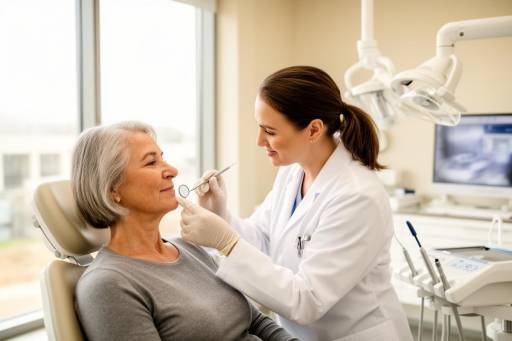
Seeking timely dental consultation is essential when pain around a dental implant does not follow the normal healing pattern or becomes severe. Early professional assessment allows your dentist to identify potential complications such as infections, implant loosening, or nerve involvement before they worsen.
Delaying evaluation can lead to more extensive damage, increased treatment complexity, or even implant loss. Your dental professional will conduct a thorough clinical examination, possibly including imaging such as X-rays, to determine the cause of your pain and recommend appropriate treatment.
Prompt follow-up also provides an opportunity to adjust your post-operative care or prescribe medications like antibiotics or anti-inflammatories if needed. Communicating openly about your symptoms and pain level helps your dentist tailor care to your needs and improve your recovery experience.
Remember, persistent or worsening pain is not something to ignore or endure silently. Early dental intervention supports better outcomes and helps maintain your oral health and implant success.
Preventive Measures and Post-Operative Care Tips to Minimize Risks
Maintaining excellent oral hygiene after dental implant surgery plays a key role in minimizing risks and supporting healing. Gently brushing around the implant site with a soft-bristled toothbrush and using antimicrobial mouth rinses as recommended helps reduce bacterial buildup that could cause infection.
Following your dentist’s post-surgical instructions carefully is vital. This includes avoiding hard or chewy foods, refraining from smoking, and taking prescribed medications on schedule. Managing swelling with cold compresses and resting adequately also supports recovery.
Early detection of issues can be enhanced by regularly inspecting the implant area for unusual redness, swelling, discharge, or persistent pain. Keeping a symptom diary can help you track your healing progress and provide useful information during dental visits.
Being proactive with your care reduces the likelihood of complications and promotes the long-term success of your dental implant. If you notice anything unusual, do not hesitate to contact your dental provider for advice.
The Critical Role of Follow-Up Appointments in Ensuring Dental Implant Success
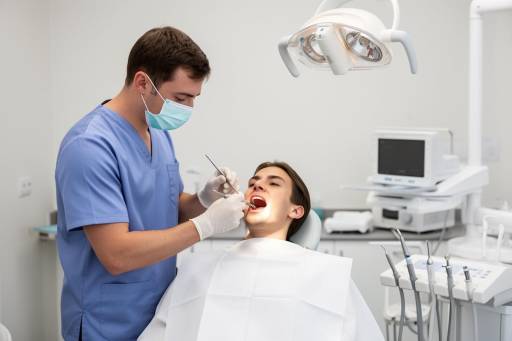
Regular follow-up appointments with your dental professional are crucial to monitor the health of your dental implant and surrounding tissues. These visits allow your dentist to assess how well your implant is integrating with the bone and detect any early signs of problems.
Professional assessments typically include clinical examination and imaging to evaluate the stability of the implant and the condition of the gums and bone. Any signs of inflammation, bone loss, or implant mobility can be addressed promptly to prevent failure.
Follow-up care also provides a chance to reinforce oral hygiene instructions, adjust prosthetic components if needed, and discuss any concerns you may have about pain or discomfort.
Staying committed to your scheduled dental visits supports the longevity of your implant and overall oral health. Your dentist can guide you on the optimal frequency of these appointments based on your individual situation and risk factors.
Find Out If Dental Implants Are Right for You
Answer a few short questions and HealthNode will help you connect with the right dental implant specialist.
Your Main Goal
This helps us understand which implant option may be most relevant for you.
Dental Health and Previous Tests
A few details help us understand whether you may need imaging, bone grafting, gum treatment, or implant planning.
Health and Healing Factors
These details help the specialist understand any factors that may affect implant healing.
Contact information
Your information is only used to contact you and is never shared with third parties.
Your request has been received!
Thank you. If you have dental X-rays, panoramic X-ray, CBCT scan, treatment plan, tooth extraction notes, gum disease records, or previous implant records, please keep them ready. A HealthNode consultant will guide you through the next step.
Frequently Asked Questions
Q: How long is normal pain expected after dental implant surgery?
A: Normal pain typically lasts for a few days up to one week after dental implant surgery. It should gradually decrease in intensity and be manageable with over-the-counter pain relievers. If pain persists beyond 10 days or worsens, consult your dentist for evaluation.
Q: What signs indicate an infection around a dental implant?
A: Signs of infection include increasing swelling, redness, warmth, pus or discharge at the implant site, persistent or worsening pain, and sometimes fever. If you notice these symptoms, seek prompt dental care to prevent further complications.
Q: When should I see a dentist for pain after implant placement?
A: You should see a dentist if pain is severe, persistent beyond the normal healing period, or accompanied by swelling, numbness, discharge, or difficulty chewing. Early evaluation helps identify complications and ensures appropriate treatment.
Q: Can nerve injury cause pain after dental implant surgery?
A: Yes, nerve injury during implant placement can cause numbness, tingling, or sharp pain in the lips, chin, or gums. If you experience these symptoms, inform your dentist immediately for assessment and management.
Q: How can I reduce the risk of complications after getting a dental implant?
A: Maintaining good oral hygiene, following your dentist's post-operative care instructions, avoiding smoking, and attending all follow-up appointments are key to reducing risks. Early detection of unusual symptoms also helps prevent serious problems.
The information provided is for educational purposes only and does not constitute medical advice. Always consult with a healthcare professional for medical guidance specific to your situation.