Quick Answer
A dental veneer treatment plan cannot be accurately confirmed from photos alone because they lack critical clinical information that requires an in-person professional evaluation. Photos serve as a helpful initial visual reference but do not replace comprehensive diagnostics needed for safe and effective veneer planning.
- Photos provide a useful visual reference but lack depth and critical clinical details necessary for a complete veneer assessment.
- Important factors like tooth structure, bite alignment, and gum health cannot be evaluated from photos alone.
- Professional evaluations include clinical examinations, X-rays, and digital impressions essential for precise veneer design.
- Photos cannot reveal hidden dental issues such as decay, cracks, or gum disease that affect veneer suitability.
- Digital impressions create accurate 3D models that improve the fit and function of veneers.
- Virtual consultations can aid initial discussions but do not substitute for in-person diagnostics.
- Proper planning combining photos with professional evaluation ensures safe, effective, and aesthetically pleasing veneer outcomes.
Can a Dental Veneer Treatment Plan Be Confirmed From Photos Alone?
A dental veneer treatment plan cannot be accurately confirmed from photos alone because critical clinical information is missing without an in-person examination. While photos provide a helpful initial visual reference, they lack the depth required for a complete assessment of tooth structure, bite alignment, and gum health, factors that are crucial for designing a veneer plan that ensures both aesthetic appeal and functional success.
For prospective patients considering veneers, photos can offer a convenient way to share their smile concerns with a dentist remotely, allowing for preliminary discussions about desired outcomes. However, they do not replace the comprehensive diagnostics performed during a clinical visit, which include detailed examinations, X-rays, and digital impressions. These tools provide essential information about the internal health of your teeth, the condition of supporting bone and gums, and the precise measurements needed to create veneers that fit well and function properly.
Decisions about veneer thickness, preparation, and material depend on this detailed evaluation to avoid complications such as sensitivity, improper fit, or damage to natural teeth. Understanding the limitations of photo-based assessments helps you approach treatment planning with realistic expectations and ensures your final results meet your goals safely and effectively.
Find Out If Dental Veneers Are Right for Your Smile
Answer a few short questions and HealthNode will help you connect with the right cosmetic dentist or smile design specialist.
Your Teeth and Current Situation
This helps us understand whether veneers, bonding, crowns, whitening, or orthodontics may be more suitable.
Dental Health Check
A few details help the specialist understand whether any dental treatment may be needed before veneers.
Final Details
Share anything important so the specialist can better understand your expectations.
Contact information
Your information is only used to contact you and is never shared with third parties.
Your request has been received!
Thank you. If you have recent dental photos, dental X-rays, smile design plans, previous veneer or crown records, gum treatment notes, or orthodontic records, please keep them ready. A HealthNode consultant will guide you through the next step.
If you are exploring dental veneers, it is important to combine your photos with a professional evaluation to confirm the best treatment path. This approach not only protects your oral health but also maximizes the likelihood of an attractive, lasting smile transformation that enhances your confidence and quality of life.
Limitations of Photos in Planning Dental Veneers
Photos are a helpful tool for capturing the visible surface characteristics of your teeth, such as color, shape, and general alignment. They provide a convenient way to communicate your aesthetic preferences and highlight areas of concern. However, photos have significant limitations and cannot substitute for a thorough dental examination.
Because photos are inherently two-dimensional, they lack critical information about tooth depth, enamel thickness, and the spatial relationship between your upper and lower teeth when biting. These factors are essential in determining whether veneers are suitable and how they should be designed to ensure proper function and durability.
Photos also cannot reveal hidden dental issues such as decay beneath the enamel, cracks, or gum disease, all of which could compromise the success of veneer treatment if left untreated. Relying solely on images risks overlooking these important clinical details, potentially leading to inappropriate treatment decisions.
Dentists need to examine your teeth under various lighting conditions and angles in person, using specialized diagnostic tools to detect conditions that photos cannot show. These evaluations help ensure that the veneers are safe, effective, and tailored to your unique dental health.
Because of these limitations, photos are best used as a preliminary communication tool rather than a definitive diagnostic resource. They help your dentist understand your aesthetic preferences but cannot replace the comprehensive clinical assessment necessary to create a safe and effective veneer treatment plan.
Why a Professional Dental Evaluation Is Essential Before Veneer Treatment
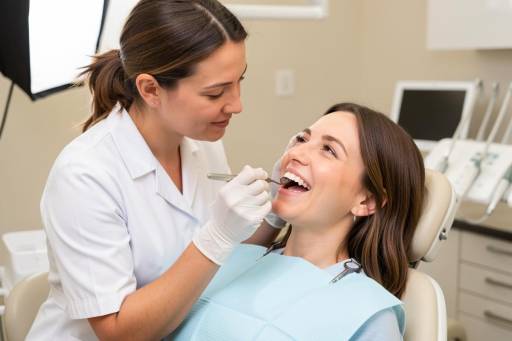
A professional dental evaluation is essential before proceeding with veneer treatment because it provides the comprehensive data needed for precise and safe planning. This evaluation typically includes a clinical examination where your dentist assesses not only the visible surfaces of your teeth but also the health of your gums, the function of your bite, and any signs of dental wear or damage that may affect treatment.
X-rays are a critical component of this evaluation, revealing the internal condition of your teeth and supporting bone structure. They help detect decay, root health issues, or other hidden problems that are not visible in photos or during a visual exam. Identifying these concerns early ensures that veneers are only placed on healthy teeth, reducing the risk of complications.
Digital impressions or scans create an accurate, three-dimensional model of your teeth, which enables precise design and fabrication of veneers that fit perfectly and function well within your bite. This technology improves the accuracy of the treatment and enhances comfort and aesthetics.
Without these diagnostic steps, treatment planning remains incomplete and potentially risky. A thorough professional evaluation ensures that veneers not only improve your smile’s appearance but also maintain or enhance your oral health. Ultimately, this careful assessment reduces the risk of complications, increases the longevity of your veneers, and contributes to a successful, satisfying outcome.
What Photos Can Reveal About Your Dental Condition and When They Fall Short
Photos effectively show details like tooth color, surface texture, and visible alignment issues, offering a valuable glimpse into your smile’s appearance. They can help your dentist understand the shade you desire and identify obvious imperfections such as chips, discoloration, or uneven edges. This visual information is often the first step in communicating your aesthetic goals and setting the tone for treatment discussions.
However, photos fall short in revealing critical aspects of dental health and function. They cannot show bite relationships, which describe how your upper and lower teeth come together, nor can they detect tooth sensitivity or the condition of your gums. Additionally, photos do not reveal cavities, cracks, or other structural problems beneath the surface of your teeth, all of which are important for determining the appropriate veneer design, including thickness and bonding techniques.
Photos also cannot measure how your teeth move or function during chewing or speaking, which is essential for creating a durable restoration that will withstand daily use without causing discomfort or damage. Because of these limitations, photos serve primarily as a helpful visual aid for initial consultations but cannot replace the comprehensive clinical and radiographic assessments that dentists rely on to tailor veneer treatments precisely to your dental needs. Understanding these boundaries helps patients maintain realistic expectations and appreciate the importance of in-person evaluations for safe and effective veneer outcomes.
Steps to Prepare for Your Dental Consultation for Veneers
Preparing well for your dental consultation can significantly improve the efficiency and outcome of your veneer treatment planning. Start by gathering clear, high-quality photos of your teeth from multiple angles, including front, sides, and close-ups of your smile. Make sure these photos are well-lit and accurately show the natural color and shape of your teeth without any filters or enhancements that could distort their appearance.
Before your appointment, write down your aesthetic goals and any concerns you have about your smile, such as discoloration, gaps, or unevenness. This preparation helps you communicate clearly with your dentist about what you want to achieve. Additionally, be ready to share your dental history, including any past treatments, sensitivity issues, or habits like teeth grinding or clenching, as these factors can influence veneer suitability and design.
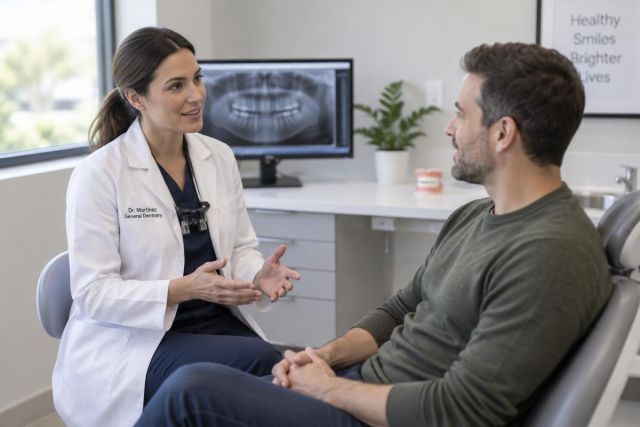
During your consultation, expect your dentist to conduct a thorough clinical examination, take X-rays to assess the internal condition of your teeth and bone, and possibly obtain digital impressions for precise measurements. While your photos serve as a useful reference to illustrate your goals, understand that they will supplement but not replace these detailed evaluations.
By following these steps, you help ensure your consultation is productive and that your dentist can create a customized veneer plan aligned with both your expectations and oral health needs. This preparation also fosters a collaborative relationship with your dental team, setting the foundation for a successful treatment journey.
How to Maximize Your Veneer Treatment Outcomes Through Proper Planning
Successful veneer treatment depends heavily on thorough planning that thoughtfully combines your aesthetic desires with clinical realities. This process begins with a professional dental assessment to ensure that veneers will fit your bite correctly, avoid causing damage to underlying teeth, and complement your facial features in a natural and harmonious way. Such assessments help prevent issues like improper bite alignment or veneer chipping that can arise from inadequate planning.
Open communication with your dentist about your expectations is crucial. Sharing clear photos and discussing your smile goals candidly allows your dentist to understand what you hope to achieve and to set realistic outcomes based on your oral health status. This collaborative approach supports the selection of the best veneer materials, whether porcelain or composite, and the most suitable design tailored to your unique smile and oral conditions.
Proper planning also involves scheduling follow-up appointments to monitor how well your veneers integrate with your natural teeth and to address any issues early, such as sensitivity or minor adjustments. This comprehensive approach not only improves the cosmetic appearance but also enhances the functional results, leading to a durable, confident smile that lasts.
Investing time and effort in professional evaluation and detailed planning is key to avoiding costly revisions or repairs later. It ensures you enjoy the full benefits of your veneers, including improved self-esteem and oral function, while minimizing risks associated with poorly planned treatments.
Frequently Asked Questions
Q: Can I get a precise veneer treatment plan from just photos?
Find Out If Dental Veneers Are Right for Your Smile
Answer a few short questions and HealthNode will help you connect with the right cosmetic dentist or smile design specialist.
Your Teeth and Current Situation
This helps us understand whether veneers, bonding, crowns, whitening, or orthodontics may be more suitable.
Dental Health Check
A few details help the specialist understand whether any dental treatment may be needed before veneers.
Final Details
Share anything important so the specialist can better understand your expectations.
Contact information
Your information is only used to contact you and is never shared with third parties.
Your request has been received!
Thank you. If you have recent dental photos, dental X-rays, smile design plans, previous veneer or crown records, gum treatment notes, or orthodontic records, please keep them ready. A HealthNode consultant will guide you through the next step.
A: While photos can give a general idea of your dental appearance, they cannot replace a comprehensive clinical examination needed for an accurate treatment plan.
Q: What are the risks of relying solely on photos for veneer planning?
A: Relying only on photos may lead to overlooking underlying dental issues, improper sizing, or mismatched color, which can affect the final results and durability of veneers.
Q: What should I do before my dental consultation for veneers?
A: Prepare clear, well-lit photos of your teeth from multiple angles, and be ready to discuss your aesthetic goals and dental history with your dentist.
Q: Is a virtual consultation sufficient for veneer treatment planning?
A: Virtual consultations can be helpful for initial discussions, but an in-person examination and diagnostics are essential for a precise treatment plan.
Q: How do digital impressions improve veneer planning?
A: Digital impressions provide accurate 3D models of your teeth, enabling precise customization and better prediction of treatment outcomes.
Q: Why is an in-person assessment necessary even if I have photos of my teeth?
A: In-person assessments allow the dentist to evaluate bite, gum health, and other factors that photos cannot reveal, ensuring a safe and effective treatment plan.
The information provided is for educational purposes only and does not constitute medical advice. Always consult with a healthcare professional for medical guidance specific to your situation.