Quick Answer
Local anaesthesia is usually sufficient to provide effective pain relief during dental veneer treatments, ensuring patient comfort without the need for general anaesthesia in most cases.
- Local anaesthesia numbs the specific area for dental veneer placement, blocking pain signals while allowing the patient to remain conscious.
- The procedure typically involves a small injection that causes minimal discomfort and results in numbness lasting a few hours.
- Patients may still feel pressure or vibration during the procedure, but these sensations are not painful due to the anaesthesia.
- In cases of high dental anxiety, extensive treatment, or medical considerations, additional sedation may be recommended alongside local anaesthesia.
- Managing anxiety through communication, relaxation techniques, and sedation options can improve patient comfort during veneer placement.
- Local anaesthesia has a strong safety record with mild, temporary side effects such as minor swelling or bruising at the injection site.
- Dentists carefully evaluate medical history and allergies to ensure safe administration of local anaesthesia during veneer treatments.
Is Local Anaesthesia Usually Enough for Dental Veneer Treatment?
Local anaesthesia is usually sufficient to provide effective pain relief during dental veneer treatments. It works by numbing the specific area where the veneer is being placed, allowing the dentist to work comfortably without causing pain or significant discomfort to you. This targeted approach to anaesthesia helps ensure that the veneer procedure is smooth and manageable for most patients, minimizing any distress or discomfort.
Dental veneers involve preparing the tooth surface by removing a thin layer of enamel to create space for the veneer. This preparation can sometimes cause sensitivity or discomfort if not properly numbed. Local anaesthesia is designed to block nerve signals in the area, preventing pain sensations during tooth preparation and the bonding process. For many patients, this method offers sufficient pain control without the need for general anaesthesia or sedation, which carry higher risks and longer recovery times.
Understanding how local anaesthesia works and what to expect during your veneer treatment can help you feel more confident and at ease. Knowing that the numbness is temporary and that the procedure is designed to minimize discomfort can reduce anxiety. This knowledge also prepares you to communicate your needs and concerns effectively with your dental care team, ensuring a comfortable experience tailored to your situation. By being informed, you can actively participate in your care and have realistic expectations about the treatment process and recovery.
Find Out If Dental Veneers Are Right for Your Smile
Answer a few short questions and HealthNode will help you connect with the right cosmetic dentist or smile design specialist.
Your Teeth and Current Situation
This helps us understand whether veneers, bonding, crowns, whitening, or orthodontics may be more suitable.
Dental Health Check
A few details help the specialist understand whether any dental treatment may be needed before veneers.
Final Details
Share anything important so the specialist can better understand your expectations.
Contact information
Your information is only used to contact you and is never shared with third parties.
Your request has been received!
Thank you. If you have recent dental photos, dental X-rays, smile design plans, previous veneer or crown records, gum treatment notes, or orthodontic records, please keep them ready. A HealthNode consultant will guide you through the next step.
How Local Anaesthesia Ensures Comfort During Dental Veneer Procedures
Local anaesthesia plays a crucial role in managing pain and discomfort during dental veneer procedures. It works by temporarily blocking nerve signals in the targeted area, which means you won’t feel pain when your dentist prepares your teeth or bonds the veneers. This focused numbness allows the procedure to be carried out smoothly and with minimal distress, helping you remain comfortable and relaxed.
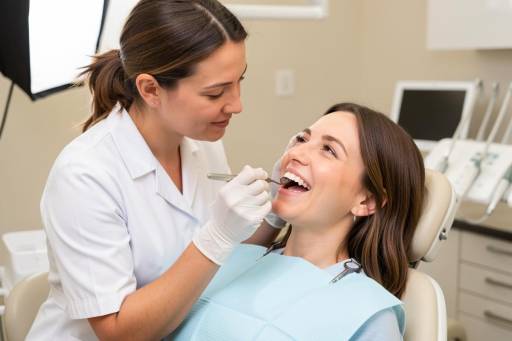
During veneer placement, your dentist typically administers local anaesthetic injections near the teeth to be treated. This numbs the gums and tooth surfaces so that any drilling, shaping, or adhesive application does not cause pain. Since the anaesthesia is localized, you remain fully conscious and aware but comfortable throughout the procedure, allowing for communication with your dentist if needed.
This approach to pain management ensures patient comfort without the risks and recovery time associated with general anaesthesia. It also allows your dentist to precisely control the area numbed, reducing unnecessary numbness in other parts of your mouth or face. For most patients, local anaesthesia provides the right balance of safety, effectiveness, and comfort during veneer treatments.
It is important to note that while local anaesthesia effectively controls pain, you may still feel sensations such as pressure or vibration during the procedure. These sensations are normal and indicate that the nerves responsible for pain are blocked but other sensory nerves remain active. If you experience any discomfort or unusual sensations, you should inform your dentist immediately so the anaesthesia can be adjusted if necessary. Overall, local anaesthesia helps create a pain-free environment that allows your dentist to perform the veneer procedure with precision and care.
What to Expect When Receiving Local Anaesthesia for Veneers
When you receive local anaesthesia for veneer placement, the process usually begins with a small injection near the treatment site. Most patients describe this injection as a quick pinch or slight sting that lasts only a few seconds. To minimize discomfort, modern dental techniques often use very fine needles and may apply a topical numbing gel to the injection site beforehand. This preparation helps reduce the initial sensation of the needle.
Once the anaesthetic takes effect, you will notice numbness in your gums and the teeth involved in the procedure. This numb feeling can last for a few hours after treatment, during which it is important to avoid chewing on the numb side to prevent accidental biting, injury, or irritation. The numbness typically fades gradually and should not cause long-term effects.
During the procedure, you may also experience some mild pressure or vibration sensations from dental instruments, but these should not be painful due to the anaesthesia blocking pain signals. If you feel any discomfort or pain during the procedure, you can alert your dentist immediately so they can adjust the anaesthesia or provide additional numbing as needed.
After the procedure, it is normal to experience some residual numbness and possibly minor soreness at the injection site. Your dentist will provide guidance on how to care for the treated area and what to expect during recovery. Overall, the experience is designed to keep you comfortable and relaxed throughout the veneer placement, ensuring a positive and manageable treatment process.
Are There Cases When Local Anaesthesia Might Not Be Enough?
While local anaesthesia suffices for most dental veneer treatments, there are situations where additional sedation or anesthesia might be considered to ensure patient comfort and cooperation. Patients who experience high levels of dental anxiety or have a low pain threshold may benefit from sedation options such as nitrous oxide (commonly known as laughing gas), oral sedatives, or mild intravenous sedation to help them relax during the procedure. These options can reduce anxiety and make the experience less stressful.
In more complex veneer cases involving extensive tooth preparation, multiple teeth being treated at once, or longer procedure times, your dentist might recommend combining local anaesthesia with sedation. This combination can enhance comfort, reduce stress, and improve the overall treatment experience. Some individuals with certain medical conditions, previous negative dental experiences, or difficulty remaining still during treatment may also require tailored anesthesia plans that go beyond local anaesthesia alone.
Your dentist will evaluate your complete medical history, current health status, anxiety levels, and the specific details of your veneer treatment to determine the most appropriate pain management and sedation approach. Open communication about your fears, past experiences, and preferences is essential to help your dental team design a plan that ensures your safety and comfort. It is also important to understand the potential risks and benefits of sedation options, as well as any necessary pre-treatment instructions, to make informed decisions about your care. Ultimately, the goal is to create a calm, pain-free environment that supports a positive veneer treatment experience.
Managing Anxiety and Ensuring a Comfortable Experience During Veneer Placement
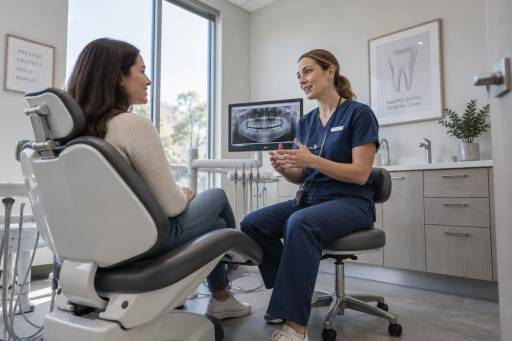
Dental anxiety can significantly influence how comfortable you feel during veneer treatment, even when local anaesthesia is used effectively to control pain. Taking proactive steps to manage anxiety can help you stay calm and improve your overall experience. One important strategy is to openly discuss your fears, concerns, and preferences with your dental team before the procedure. This allows them to offer reassurance, answer your questions, and tailor the treatment environment or techniques to your individual needs.
Relaxation techniques such as deep breathing exercises, guided visualization, or listening to calming music during the procedure may also help reduce anxiety and promote a sense of calm. Many dental clinics provide amenities such as noise-cancelling headphones, soothing background music, or a peaceful treatment setting to enhance patient comfort.
Remember that your dentist and their team are there to support you throughout the procedure. You can request breaks during the treatment if you feel overwhelmed, or ask for adjustments in positioning or pacing to increase your comfort. Preparing mentally and physically by practicing relaxation methods beforehand can help you feel more empowered and relaxed on the day of your veneer placement.
In some cases, your dentist may also recommend mild sedation options to help manage anxiety if it is severe. The key is to maintain open communication and work collaboratively with your dental team to ensure your veneer treatment is as comfortable and stress-free as possible.
The Safety and Effectiveness of Local Anaesthesia in Dental Veneer Treatments
Local anaesthesia has a strong safety record when used appropriately for dental procedures like veneer placement. It is specifically designed to numb small, targeted areas without affecting your overall consciousness or vital functions such as breathing and heart rate. This targeted numbing allows the dentist to perform the procedure comfortably and precisely while you remain awake and responsive. Side effects from local anaesthesia are usually mild and temporary, including slight swelling, bruising, or minor discomfort at the injection site. These effects typically resolve quickly without intervention.
Clinical evidence supports that local anaesthesia effectively controls pain during cosmetic dental treatments, enabling dentists to carry out detailed work such as tooth preparation and veneer bonding without causing distress or discomfort to the patient. When administered by trained dental professionals, the risk of serious allergic reactions or complications is very low. However, it is important to disclose your full medical history and any known allergies to your dental team prior to treatment to minimize risks.
Your dental team will carefully review your medical history, current medications, and any allergies beforehand to select the safest anaesthetic agent and dosage for your individual needs. This thorough preparation and ongoing monitoring during the procedure help ensure that local anaesthesia remains a reliable and safe method to maintain patient comfort and safety throughout veneer treatment. Additionally, dentists are trained to recognize and manage any rare adverse reactions promptly, further enhancing safety. Overall, local anaesthesia is a well-established, effective, and safe choice for pain control in dental veneer procedures.
Frequently Asked Questions
Q: Is local anaesthesia painful to administer?
A: Most patients find the injection of local anaesthesia to be quick and only mildly uncomfortable, similar to a small pinch.
Find Out If Dental Veneers Are Right for Your Smile
Answer a few short questions and HealthNode will help you connect with the right cosmetic dentist or smile design specialist.
Your Teeth and Current Situation
This helps us understand whether veneers, bonding, crowns, whitening, or orthodontics may be more suitable.
Dental Health Check
A few details help the specialist understand whether any dental treatment may be needed before veneers.
Final Details
Share anything important so the specialist can better understand your expectations.
Contact information
Your information is only used to contact you and is never shared with third parties.
Your request has been received!
Thank you. If you have recent dental photos, dental X-rays, smile design plans, previous veneer or crown records, gum treatment notes, or orthodontic records, please keep them ready. A HealthNode consultant will guide you through the next step.
Q: How long does the numbness last after the procedure?
A: Numbness typically lasts for a few hours, depending on the type and amount of anaesthesia used.
Q: Can I request sedation if I am anxious?
A: Yes, discuss your anxiety with your dentist beforehand to explore options like sedation or additional pain management techniques.
Q: Are there any risks associated with local anaesthesia?
A: Local anaesthesia is generally very safe when administered by trained professionals, with minimal risk of side effects.
Q: Will I feel any pain during the veneer placement?
A: With proper local anaesthesia, most patients do not feel pain during the veneer bonding process.
Q: What if I am allergic to local anaesthesia?
A: Inform your dentist about any allergies; alternative sedation methods can be considered if necessary.
The information provided is for educational purposes only and does not constitute medical advice. Always consult with a healthcare professional for medical guidance specific to your situation.