Quick Answer
Tooth preparation for porcelain veneers is irreversible because it involves the permanent removal of a thin layer of enamel, which cannot regenerate. This enamel removal is necessary for proper veneer fit, appearance, and bonding.
- Tooth preparation requires removing a small amount of enamel to ensure veneers fit naturally and bond securely.
- Enamel removal permanently alters the tooth structure since enamel does not regenerate.
- Proper preparation prevents veneers from appearing bulky or causing discomfort.
- Loss of enamel increases tooth vulnerability to sensitivity, decay, and damage.
- No-prep or minimal-prep veneers exist as alternatives that preserve more natural tooth structure but may not suit all cases.
- Veneers require ongoing maintenance and may need replacement or repair over time.
- Discussing preparation extent, risks, and alternatives with a dentist is essential for informed decision-making.
Is Tooth Preparation for Porcelain Veneers Reversible?
Tooth preparation for porcelain veneers is generally not reversible because it involves removing a thin layer of enamel from the teeth. This step is necessary to ensure that the veneers fit well, look natural, and bond securely to the tooth surface. Since enamel is the hardest and most protective outer layer of the tooth, its removal permanently alters the tooth structure, and enamel cannot grow back or regenerate. This makes the tooth preparation process irreversible and an important consideration before proceeding.
Porcelain veneers are a popular cosmetic dental treatment designed to improve the appearance of your smile by covering the front surface of teeth. They can correct issues such as discoloration, chips, gaps, and minor misalignments. The preparation process is carefully planned to preserve as much natural tooth structure as possible while providing a stable and suitable base for the veneers. This careful balance helps maintain oral health and ensures the veneers look natural and function well.
Understanding the nature of this procedure is important so you can weigh the benefits and potential long-term effects before proceeding. If you are considering porcelain veneers, discussing the extent of tooth preparation and possible alternatives with your dentist will help you make an informed choice. Each case is unique, and dental professionals can tailor treatment plans to align with your dental health, aesthetic goals, and personal preferences, ensuring the best possible outcome for your smile.
Find Out If Dental Veneers Are Right for Your Smile
Answer a few short questions and HealthNode will help you connect with the right cosmetic dentist or smile design specialist.
Your Teeth and Current Situation
This helps us understand whether veneers, bonding, crowns, whitening, or orthodontics may be more suitable.
Dental Health Check
A few details help the specialist understand whether any dental treatment may be needed before veneers.
Final Details
Share anything important so the specialist can better understand your expectations.
Contact information
Your information is only used to contact you and is never shared with third parties.
Your request has been received!
Thank you. If you have recent dental photos, dental X-rays, smile design plans, previous veneer or crown records, gum treatment notes, or orthodontic records, please keep them ready. A HealthNode consultant will guide you through the next step.
The Role of Tooth Preparation in Porcelain Veneer Placement
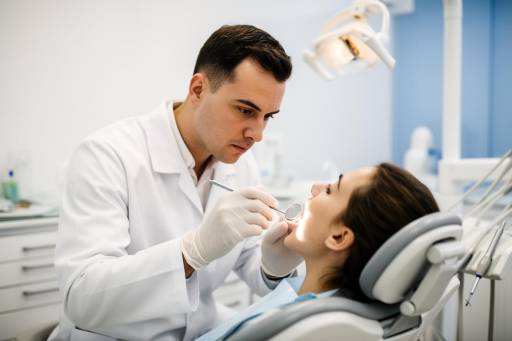
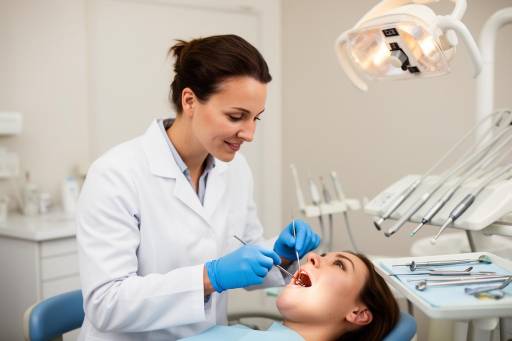
Tooth preparation for porcelain veneers involves carefully removing a small amount of the tooth's enamel, usually less than a millimeter, to create adequate space for the veneer. This step is essential to ensure that the veneer does not appear bulky or unnatural and that it fits smoothly against adjacent teeth and the gum line. The enamel removal also facilitates a strong bond between the veneer and the tooth surface, which is critical for the durability, function, and longevity of the restoration.
This preparation is a precise and delicate dental procedure that requires balancing aesthetic goals with preserving tooth health. The dentist shapes the tooth meticulously to avoid removing excessive enamel, which could increase tooth sensitivity or weaken the tooth structure. The amount of enamel removed varies depending on the individual’s teeth, the type of veneer used, and the desired cosmetic outcome. For example, some veneers require slightly more preparation to correct significant discoloration or alignment issues.
Without tooth preparation, veneers might not adhere properly or could appear bulky, leading to an unnatural appearance and potential discomfort. Proper preparation ensures that the final restoration looks seamless and feels comfortable in the mouth. Your dentist will evaluate your teeth carefully and discuss the necessary preparation steps to safely achieve your cosmetic goals while maintaining the health and integrity of your natural teeth.
Assessing the Reversibility of Tooth Preparation for Veneers
The removal of enamel during tooth preparation for veneers is considered irreversible because enamel, once lost, does not regenerate naturally. This means that the tooth surface is permanently altered after preparation, and the process cannot be undone to restore the tooth to its original state. This irreversibility is a critical consideration when deciding to proceed with porcelain veneers, as it commits you to maintaining some form of restoration on the prepared teeth indefinitely.
This permanent change has important implications for your dental health. Enamel serves as the tooth’s natural protective layer, shielding it from decay, sensitivity, and wear. Losing enamel increases the tooth's vulnerability to these issues, which is why dental restorations like veneers or other coverings are necessary after preparation to protect the tooth and maintain its function.
If veneers are removed later, the prepared teeth will typically require some form of restoration, such as new veneers, crowns, or bonding, to maintain both function and appearance. This ongoing need for restoration underscores the importance of understanding the long-term commitment involved with porcelain veneers. Discussing these aspects with your dentist will help you weigh the benefits and responsibilities of the procedure and explore all restorative options available to you, ensuring your decision aligns with your dental health and lifestyle.
Potential Long-term Effects of Tooth Preparation on Dental Health
Tooth preparation for veneers can have several effects on dental health over the long term, primarily due to the removal of protective enamel. Since enamel serves as a barrier against decay and sensitivity, its loss can make teeth more vulnerable to temperature changes, pressure, and potential damage. While proper tooth preparation minimizes enamel removal to reduce these risks, some patients may experience temporary sensitivity following the procedure, which often subsides with time and appropriate care.
In the long run, well-bonded veneers can actually protect the prepared teeth from further damage and decay, provided that good oral hygiene is maintained. The veneer acts as a shield, covering the tooth surface and preventing exposure to harmful bacteria. However, if veneers fail, become damaged, or are removed without replacement, the underlying tooth may be more susceptible to complications because its surface has been altered and enamel has been lost.
Future dental treatments may also be influenced by the initial preparation. For example, teeth with veneers might eventually require crowns or more extensive restorations if the structural integrity weakens over time. It is important to understand that veneers are not a lifetime solution and may need replacement or repair. Regular dental check-ups are essential to monitor the health of veneered teeth, detect any early signs of problems, and address them promptly to preserve both function and aesthetics.
Alternatives and Minimally Invasive Options for Veneer Preparation
Advances in cosmetic dentistry have introduced minimally invasive and no-prep veneer options that require little to no enamel removal, offering patients alternatives that preserve more of their natural tooth structure. These alternatives can be particularly suitable for individuals with minor aesthetic concerns, such as slight discoloration or small gaps, or when teeth are already slightly misaligned or spaced. Choosing these options may help reduce the risks associated with enamel removal, such as sensitivity or irreversible changes to the tooth.
No-prep veneers are ultra-thin shells that are bonded directly to the tooth surface without prior shaping or trimming. While they preserve natural enamel and are theoretically reversible, their suitability depends heavily on individual dental conditions and cosmetic goals. For instance, if your teeth require significant correction of shape, size, or alignment, no-prep veneers may not provide the desired results or may appear bulky. Additionally, the longevity and durability of no-prep veneers can vary compared to traditional veneers.
Discussing these options with your dentist can help you understand the best approach for your smile, weighing the benefits of preserving natural tooth structure against the aesthetic outcomes you desire. Minimally invasive techniques aim to balance cosmetic improvement with maintaining tooth health, offering a less permanent commitment compared to traditional veneers. Your dentist can evaluate your teeth, discuss the pros and cons of each method, and tailor a treatment plan that fits your unique needs and expectations.
Questions to Ask Your Dentist About Tooth Preparation and Veneers
Before proceeding with porcelain veneers, it is crucial to have a thorough discussion with your dentist about the extent of tooth preparation required and to explore whether less invasive alternatives might be appropriate for your situation. Understanding exactly how much enamel will be removed and the specific reasons for this removal helps you set realistic expectations about the procedure's impact on your teeth and overall oral health. Enamel removal is necessary to accommodate the thickness of the veneer and to ensure a natural appearance without adding bulk to your smile. However, this process can vary depending on the condition and alignment of your teeth.
Inquire about the potential risks associated with tooth preparation, such as increased tooth sensitivity, the possibility of needing future restorations, or complications that might arise if the veneers chip or fail. Understanding how your dentist manages these risks, including the use of protective bonding agents or desensitizing treatments, can help you feel more confident about the procedure. Additionally, ask if minimally invasive techniques or no-prep veneers are viable options for your case and what outcomes you can expect from each approach in terms of aesthetics, durability, and comfort.
Clarify the long-term care and maintenance requirements for veneers, including how they might affect your natural teeth over time. For example, veneers require good oral hygiene and regular dental check-ups to prevent decay around the edges and to monitor the health of the underlying tooth. Discuss how veneers might impact your bite, speech, and daily habits such as eating or brushing. Having an open and detailed conversation about these aspects ensures you make an informed decision that aligns with your dental health, lifestyle, and aesthetic goals.
Frequently Asked Questions
Q: Can I reverse tooth preparation for veneers if I change my mind?
A: Typically, tooth preparation for veneers involves removing a small amount of enamel, which is irreversible. However, future restorative options can sometimes be used to address this.
Q: Is there a way to get porcelain veneers without removing tooth enamel?
Find Out If Dental Veneers Are Right for Your Smile
Answer a few short questions and HealthNode will help you connect with the right cosmetic dentist or smile design specialist.
Your Teeth and Current Situation
This helps us understand whether veneers, bonding, crowns, whitening, or orthodontics may be more suitable.
Dental Health Check
A few details help the specialist understand whether any dental treatment may be needed before veneers.
Final Details
Share anything important so the specialist can better understand your expectations.
Contact information
Your information is only used to contact you and is never shared with third parties.
Your request has been received!
Thank you. If you have recent dental photos, dental X-rays, smile design plans, previous veneer or crown records, gum treatment notes, or orthodontic records, please keep them ready. A HealthNode consultant will guide you through the next step.
A: Yes, there are no-prep or minimal-prep veneer options that require little to no removal of enamel, but suitability depends on individual dental conditions.
Q: What are the risks of irreversible tooth preparation?
A: Risks include loss of natural tooth structure, increased sensitivity, and potential need for more extensive future dental work.
Q: How can I ensure my veneers are reversible or minimally invasive?
A: Discuss with your dentist about alternative techniques and newer veneer options designed to be less invasive.
Q: Will tooth preparation weaken my teeth?
A: Some removal of enamel can temporarily weaken teeth, but proper preparation and restoration typically maintain overall strength.
Q: What should I consider before deciding on porcelain veneers?
A: Consider the permanence of tooth preparation, aesthetic goals, and discuss all options with a qualified cosmetic dentist.
The information provided is for educational purposes only and does not constitute medical advice. Always consult with a healthcare professional for medical guidance specific to your situation.