Quick Answer
Patients should ask their dentist about the durability, materials, procedure details, maintenance, risks, costs, and how their specific dental condition affects the choice between veneers and crowns. Understanding these factors helps in selecting the best option for both aesthetic and functional needs.
- Veneers are thin shells bonded to the front of teeth mainly for cosmetic improvements, while crowns cover the entire tooth to restore function and structure.
- Veneers preserve more natural tooth but are unsuitable for structurally compromised teeth; crowns require more tooth reduction but offer greater durability and protection.
- Key questions to ask include the expected lifespan, materials used, procedure steps, maintenance needs, risks, and overall costs of veneers versus crowns.
- A thorough dental assessment is essential to determine whether veneers or crowns are appropriate based on tooth health, decay, gum condition, and bite alignment.
- Veneers generally cost less and last 10 to 15 years, while crowns can last 10 to 20 years or longer with proper care.
- When seeking treatment abroad, patients should prepare dental records, inquire about clinic accreditation and dentist qualifications, and plan for communication and logistics.
- Post-treatment care involves good oral hygiene, avoiding hard foods, monitoring for issues, and attending regular dental checkups to maintain restorations.
What Should US Patients Ask Before Choosing Between Veneers and Crowns?
Dental veneers and crowns are two common dental restoration options that serve different purposes. Veneers are thin shells bonded to the front of teeth primarily for improving appearance, while crowns cover the entire tooth and restore both function and structure. Choosing between them depends on your dental condition, aesthetic goals, and treatment needs.
If you are considering dental veneers or crowns, especially as a patient from the United States exploring treatment abroad, it is crucial to ask your dental provider specific questions. These inquiries help clarify which option suits your oral health, how durable the restorations will be, and what the procedures involve. Understanding the differences and your own dental situation enables you to make an informed decision that balances aesthetics, functionality, and long-term oral health.
International patients often seek affordable and quality dental care overseas but must prepare for different healthcare settings and communication challenges. Knowing the right questions to ask ensures you get clear answers about materials, costs, procedure steps, and follow-up care. This guidance helps you feel confident about your dental treatment choice and assures you receive care tailored to your unique needs.
Find Out If Dental Veneers Are Right for Your Smile
Answer a few short questions and HealthNode will help you connect with the right cosmetic dentist or smile design specialist.
Your Teeth and Current Situation
This helps us understand whether veneers, bonding, crowns, whitening, or orthodontics may be more suitable.
Dental Health Check
A few details help the specialist understand whether any dental treatment may be needed before veneers.
Final Details
Share anything important so the specialist can better understand your expectations.
Contact information
Your information is only used to contact you and is never shared with third parties.
Your request has been received!
Thank you. If you have recent dental photos, dental X-rays, smile design plans, previous veneer or crown records, gum treatment notes, or orthodontic records, please keep them ready. A HealthNode consultant will guide you through the next step.
Key Factors to Consider When Choosing Between Veneers and Crowns
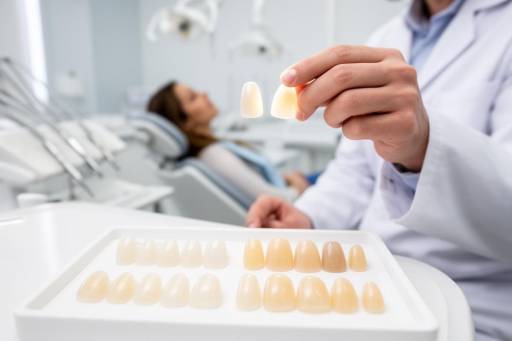
Veneers and crowns differ fundamentally in their design and purpose. Veneers are thin, custom-made shells typically made from porcelain or composite resin that adhere to the front surfaces of teeth. They are mainly used to address cosmetic issues like discoloration, minor chips, or slight misalignment without extensive tooth damage.
Crowns, by contrast, encase the entire visible portion of a tooth. They restore teeth that are weakened, cracked, or heavily decayed. Crowns provide structural strength and protect the tooth beneath from further damage. Materials for crowns include porcelain fused to metal, ceramic, or full metal options.
When choosing between them, consider whether your priority is primarily aesthetic enhancement or functional repair. Veneers preserve more of your natural tooth but are unsuitable if the tooth is compromised structurally. Crowns require more tooth reduction but offer superior durability and protection. Your dentist will assess your oral health and recommend the best option based on these factors.
Questions to Ask Your Dentist About Veneers and Crowns
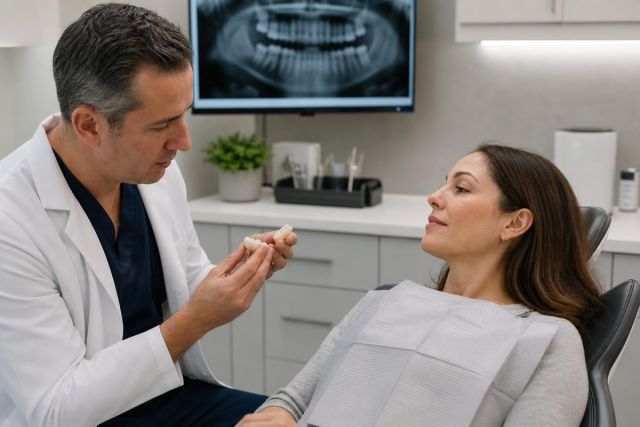
Preparing a list of questions before your dental consultation helps you understand your treatment options clearly. Ask about the durability of veneers versus crowns, including how long each typically lasts with proper care. Inquire about the materials used and their advantages or limitations, such as porcelain’s natural appearance or metal’s strength.
Clarify the procedure details, including how much tooth preparation each requires, whether local anesthesia is needed, and the typical treatment timeline. Discuss maintenance requirements after placement, such as cleaning techniques and potential lifestyle restrictions.
Also, ask about risks or complications specific to veneers and crowns, like sensitivity or the possibility of needing replacement. Understanding the costs involved, including any follow-up appointments or adjustments, is essential for financial planning. These questions enable a thorough discussion to determine which option aligns with your needs and expectations.
Assessing Your Dental Condition to Decide the Best Option
Your dental health plays a critical role in determining whether veneers or crowns are appropriate. A thorough dental assessment evaluates tooth structure integrity, presence of decay, gum health, and bite alignment. If your teeth have sufficient healthy enamel and minor cosmetic concerns, veneers may be suitable.
However, if teeth are cracked, weakened by large fillings, or have undergone root canal treatment, crowns typically provide better protection and function. Bite analysis ensures that whichever restoration you choose will not interfere with your chewing or cause jaw discomfort.
Your dentist will also consider the condition of surrounding teeth and gums, as well as any habits like teeth grinding that could affect restoration longevity. This comprehensive evaluation guides a treatment plan tailored to your oral health status and aesthetic goals.
Comparing the Cost and Lifespan of Veneers and Crowns
Cost and expected lifespan are important factors when weighing veneers versus crowns. Veneers generally cost less than crowns per tooth because they are less invasive and require less material. However, prices vary widely depending on materials and geographic location, especially when considering treatment abroad.
On average, veneers last between 10 to 15 years, while crowns can last 10 to 20 years or longer with excellent care. The longevity depends on factors such as oral hygiene, diet, and habits like grinding or clenching. Maintenance and regular dental checkups further influence how long your restorations remain functional and attractive.
Discuss all cost components with your dental provider, including the initial procedure, adjustments, and potential replacements over time. This helps you plan financially and set realistic expectations about your investment in dental restoration.
Preparing for Your Dental Consultation Abroad
When planning dental treatment outside the United States, preparation is key to a successful consultation. Bring your recent dental records, including X-rays and treatment history, to provide your provider with comprehensive background information.
Prepare a list of questions about the dental clinic’s accreditation, dentist qualifications, materials used, and post-treatment care policies. Language barriers can affect communication, so consider arranging for translation assistance if needed to ensure clear understanding.
Plan logistics such as travel, accommodation, and length of stay to accommodate treatment and follow-up visits. Being well-prepared helps you maximize your consultation time and make informed decisions about veneers or crowns in a foreign healthcare setting.
Post-Treatment Care and Follow-up for Veneers and Crowns
Proper care after receiving veneers or crowns is essential for maintaining their appearance and function. Maintain excellent oral hygiene by brushing twice daily with a non-abrasive toothpaste and flossing carefully around the restorations.
Avoid biting hard foods or using teeth as tools to prevent chipping or loosening. Recognize signs of potential issues such as increased sensitivity, discomfort, or visible damage, and consult your dentist promptly.
Schedule regular dental checkups to monitor the condition of your veneers or crowns and receive professional cleanings. Following your dentist’s care instructions and attending follow-up appointments supports the long-term success of your dental restorations.
Frequently Asked Questions
Q: Are veneers or crowns more suitable for damaged teeth?
A: Veneers are typically used for cosmetic improvements on healthy teeth, while crowns are better for heavily damaged or structurally compromised teeth.
Find Out If Dental Veneers Are Right for Your Smile
Answer a few short questions and HealthNode will help you connect with the right cosmetic dentist or smile design specialist.
Your Teeth and Current Situation
This helps us understand whether veneers, bonding, crowns, whitening, or orthodontics may be more suitable.
Dental Health Check
A few details help the specialist understand whether any dental treatment may be needed before veneers.
Final Details
Share anything important so the specialist can better understand your expectations.
Contact information
Your information is only used to contact you and is never shared with third parties.
Your request has been received!
Thank you. If you have recent dental photos, dental X-rays, smile design plans, previous veneer or crown records, gum treatment notes, or orthodontic records, please keep them ready. A HealthNode consultant will guide you through the next step.
Q: How long do veneers and crowns last?
A: Veneers generally last 10-15 years, while crowns can last 10-20 years depending on materials and care.
Q: Is the procedure for veneers or crowns painful?
A: Both procedures are usually performed under local anesthesia, with minimal discomfort during and after the treatment.
Q: Can I get veneers or crowns done in another country?
A: Yes, many patients choose dental treatment abroad for cost savings and access to specialized care, but it’s important to research providers thoroughly.
Q: What are the risks of choosing dental treatment abroad?
A: Risks include differences in quality standards, communication barriers, and post-treatment follow-up challenges. Proper planning and choosing reputable clinics mitigate these risks.
Q: How should I prepare for my dental treatment abroad?
A: Bring your dental records, discuss your medical history with the provider, and plan for transportation and accommodations in advance.
The information provided is for educational purposes only and does not constitute medical advice. Always consult with a healthcare professional for medical guidance specific to your situation.