Quick Answer
Teeth should be straightened before dental veneers when misalignment, crowding, or spacing issues affect the fit, function, or appearance of the veneers to ensure optimal results.
- Orthodontic treatment before veneers ensures proper tooth alignment, providing a stable and even surface for veneer placement.
- Veneers do not correct underlying tooth positioning issues, so misaligned teeth can lead to poor fit and premature veneer failure.
- A thorough orthodontic assessment helps identify alignment problems that could interfere with veneer placement and function.
- Orthodontic treatment is recommended for significant crowding, spacing, rotations, or misalignment to improve veneer fit and aesthetics.
- Placing veneers before orthodontic correction is rarely advisable because veneers do not move with teeth, risking compromised fit if teeth shift.
- Correcting alignment before veneers allows for minimal enamel removal, preserving tooth structure and enhancing veneer durability.
- Consulting with a dental professional helps tailor a treatment plan that sequences orthodontics before veneers for the best functional and aesthetic outcomes.
When Should Teeth Be Straightened Before Considering Dental Veneers?
Teeth should ideally be straightened before considering dental veneers when misalignment, crowding, or spacing issues could compromise the fit, function, or aesthetic outcome of the veneers. Orthodontic treatment ensures that teeth are properly aligned, providing a stable and even surface for veneer placement. This approach not only improves the durability of the veneers but also results in a more natural, long-lasting smile enhancement that complements your facial features.
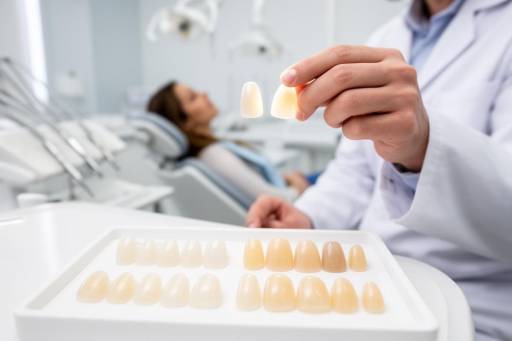
Dental veneers are thin shells made of porcelain or composite resin that cover the front surface of teeth to improve their appearance. While veneers can effectively mask discoloration, chips, or minor shape irregularities, they do not correct underlying tooth positioning issues. If teeth are crooked, crowded, or unevenly spaced, placing veneers without first addressing alignment can lead to poor fit, uneven edges, and complications such as premature veneer failure or bite problems.
For this reason, a thorough orthodontic assessment is recommended before veneer placement. Straightening teeth with braces or clear aligners can optimize tooth positioning, allowing veneers to fit precisely and achieve the best aesthetic and functional outcomes. This process may require additional time and commitment but ultimately enhances the quality and longevity of your smile makeover.
Find Out If Dental Veneers Are Right for Your Smile
Answer a few short questions and HealthNode will help you connect with the right cosmetic dentist or smile design specialist.
Your Teeth and Current Situation
This helps us understand whether veneers, bonding, crowns, whitening, or orthodontics may be more suitable.
Dental Health Check
A few details help the specialist understand whether any dental treatment may be needed before veneers.
Final Details
Share anything important so the specialist can better understand your expectations.
Contact information
Your information is only used to contact you and is never shared with third parties.
Your request has been received!
Thank you. If you have recent dental photos, dental X-rays, smile design plans, previous veneer or crown records, gum treatment notes, or orthodontic records, please keep them ready. A HealthNode consultant will guide you through the next step.
Understanding when to integrate orthodontics into your treatment plan helps you make informed decisions for a beautiful, healthy smile. It also sets realistic expectations about the treatment timeline and results, empowering you to choose the best approach tailored to your unique dental needs and cosmetic goals.
Assessing Your Dental Alignment Before Veneer Placement
Proper dental alignment is fundamental for the successful placement and longevity of dental veneers. Before veneers are applied, your dentist or orthodontist will conduct a thorough evaluation of how your teeth are positioned relative to each other. This orthodontic assessment helps identify issues such as crowding, gaps, rotations, or bite irregularities that may interfere with the proper placement and function of veneers.
When teeth are misaligned, veneers must often compensate for uneven surfaces, which can require removing more natural tooth enamel to achieve an even and aesthetically pleasing appearance. Excessive enamel removal can weaken teeth and reduce the durability of the veneers, increasing the risk of damage or failure over time. Additionally, poorly aligned teeth may cause uneven pressure on veneers during biting or chewing, which can lead to chipping, cracking, or debonding.
By assessing your dental alignment early in the treatment planning process, your dental professional can develop a tailored treatment plan that addresses these concerns. This plan often includes orthodontic treatment to straighten teeth before veneers are applied, ensuring a more conservative veneer preparation and a better fit. Proper tooth positioning also allows veneers to look more natural and blend seamlessly with your smile, enhancing overall aesthetics.
During the assessment, your dental provider will also evaluate your bite to ensure that the veneers will function well within your mouth. This comprehensive approach helps prevent future complications and contributes to the long-term success of your veneers. Patients can expect a more comfortable and durable outcome when alignment issues are addressed prior to veneer placement.
When Orthodontic Treatment Is Recommended for Veneer Candidates
Orthodontic treatment is typically recommended for veneer candidates when teeth exhibit certain alignment issues such as crowding, wide spacing, rotations, or significant misalignment. Crowded teeth present a particular challenge for veneer placement because overlapping surfaces can make it difficult to achieve a smooth, uniform veneer fit. In these cases, orthodontic intervention helps create enough space and proper orientation for veneers to be applied effectively.
Similarly, large gaps between teeth or uneven spacing may require orthodontic correction to prevent veneers from appearing unnaturally large or disproportionate to the rest of your smile. Without addressing these spacing issues, veneers might look bulky or out of place, detracting from the overall aesthetic.
Misaligned teeth can also impact your bite, causing uneven forces during chewing that place excessive stress on veneers. This uneven pressure can lead to premature damage such as cracks, chips, or debonding. Orthodontic treatment helps align your bite properly, distributing forces evenly and thereby protecting your veneers from undue wear.
In some cases, minor misalignments or aesthetic concerns might be addressed with veneers alone, but this depends on the severity of the issue and the patient’s specific bite dynamics. Your dental professional will carefully evaluate whether orthodontics is necessary to create optimal tooth positioning before proceeding with veneer placement. This evaluation includes considering the functional demands on your teeth as well as the desired cosmetic outcome.
Ultimately, orthodontic treatment before veneers ensures that your veneers not only enhance your smile’s appearance but also function well within the mouth. This comprehensive approach helps avoid complications and contributes to the longevity and success of your cosmetic dental work.
Timing and Sequence of Dental Treatments for Optimal Results
The general consensus among dental specialists is that orthodontic treatment should precede dental veneer placement when tooth alignment issues are present. Orthodontics, which may include traditional braces or clear aligners, are applied first to gradually move teeth into their ideal positions. This process typically takes several months to over a year depending on the complexity of the alignment issues. Once your teeth are straight and your bite is stable, veneers can be designed and placed to complement this improved alignment.
Placing veneers before orthodontic correction is rarely advisable because veneers are bonded to the tooth surface and do not move along with the teeth. If teeth shift after veneer placement, it can result in compromised fit, gaps, or uneven edges, negatively affecting both aesthetics and function. This misfit may necessitate premature veneer replacement or adjustments, increasing treatment costs and inconvenience.
After completing orthodontic treatment, there is often a short waiting period to allow teeth to settle into their new positions and for the bone and gums to stabilize. This period helps ensure that the teeth do not shift after veneers are placed, maintaining the integrity of the final restoration. Following this, veneer preparation can begin, which involves minimal enamel removal tailored to the newly aligned teeth.
This sequence, orthodontics first, then veneers, maximizes the chances of achieving a natural-looking smile with veneers that fit precisely and last longer. It also helps avoid unnecessary veneer replacements or adjustments that would arise if veneers were placed on misaligned teeth and then orthodontic treatment followed. Patients should be prepared for a longer overall treatment timeline but can expect a more predictable and satisfactory outcome with this approach.
Throughout the process, your dental team will monitor progress and provide guidance on oral hygiene and care to protect both your teeth and orthodontic appliances, ensuring optimal results.
Benefits of Correcting Teeth Alignment Before Getting Veneers
Correcting teeth alignment before getting veneers offers several important benefits that contribute to both the aesthetic and functional success of the treatment. First, it significantly enhances the aesthetic outcome by ensuring that veneers are placed on teeth that are evenly spaced and properly oriented. This careful alignment creates a more harmonious and natural-looking smile, avoiding the appearance of uneven or mismatched teeth that can occur when veneers are applied to crooked or misaligned teeth. Patients can expect a more balanced smile that complements their facial features and boosts confidence.
Second, well-aligned teeth allow for a better fit of veneers with minimal enamel removal. Preserving natural tooth structure is crucial for maintaining overall dental health, as excessive enamel removal can increase tooth sensitivity and vulnerability to decay. By aligning teeth beforehand, dentists can prepare the teeth conservatively, which improves the durability and longevity of veneer restorations. This conservative approach also helps maintain the strength of the underlying teeth, supporting long-term oral health.
Third, proper alignment improves bite function by ensuring that the forces generated during chewing and speaking are evenly distributed across the teeth. This reduces uneven stress on veneers that can lead to cracks, chipping, or detachment over time. A well-aligned bite not only prolongs the lifespan of your veneers but also minimizes the risk of complications that could require costly repairs or replacements.
Correcting alignment before veneers can also prevent future dental issues related to malocclusion, such as jaw pain or temporomandibular joint (TMJ) disorders. It further allows for better oral hygiene practices, as straight teeth are easier to clean, reducing the risk of gum disease and decay around veneer margins.
Overall, starting with orthodontic treatment where needed leads to superior smile enhancement, improved comfort, and longer-lasting results. Patients should understand that while this approach may extend the timeline of their cosmetic treatment, the benefits in terms of appearance, function, and dental health make it a worthwhile investment.
Consulting with Your Dental Professional About Your Treatment Plan
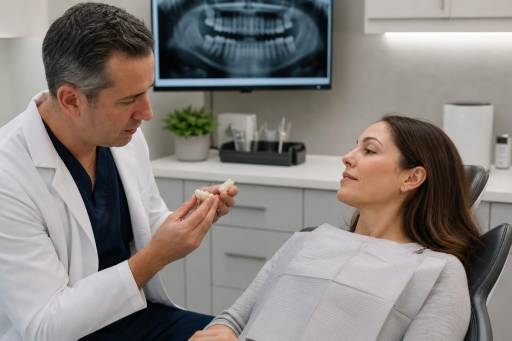
Consulting with a qualified dental professional is an essential first step to determine whether teeth straightening is necessary before getting veneers. During this consultation, your dentist or orthodontist will conduct a comprehensive oral examination that typically includes taking detailed photographs, x-rays, and possibly 3D scans to thoroughly evaluate your tooth alignment, bite relationship, and overall dental health. These diagnostic tools help identify any underlying issues that might affect veneer placement or long-term success.
In addition to the clinical assessment, your dental professional will engage in a detailed discussion about your cosmetic goals and functional needs. This conversation helps tailor a personalized treatment plan that aligns with your expectations and lifestyle. If misalignment or bite problems are detected, they will explain the benefits of undergoing orthodontic treatment prior to veneer placement. This explanation will include how straightening your teeth can improve the fit, appearance, and durability of veneers.
Find Out If Dental Veneers Are Right for Your Smile
Answer a few short questions and HealthNode will help you connect with the right cosmetic dentist or smile design specialist.
Your Teeth and Current Situation
This helps us understand whether veneers, bonding, crowns, whitening, or orthodontics may be more suitable.
Dental Health Check
A few details help the specialist understand whether any dental treatment may be needed before veneers.
Final Details
Share anything important so the specialist can better understand your expectations.
Contact information
Your information is only used to contact you and is never shared with third parties.
Your request has been received!
Thank you. If you have recent dental photos, dental X-rays, smile design plans, previous veneer or crown records, gum treatment notes, or orthodontic records, please keep them ready. A HealthNode consultant will guide you through the next step.
Your dentist or orthodontist will also outline the expected timeline, costs, and potential treatment options, including the types of orthodontic appliances that might be used, such as traditional braces or clear aligners. Understanding these factors helps you prepare mentally and financially for the process.
Professional advice ensures you comprehend the rationale behind sequencing orthodontics before veneers, which is critical for setting realistic expectations about the duration and outcomes of your smile transformation. This collaborative approach fosters informed decision-making, allowing you to weigh the benefits and considerations of each step. Moreover, it supports your satisfaction with the final results by ensuring that your treatment plan is customized to your unique dental condition and aesthetic desires.
Frequently Asked Questions
Q: How long does orthodontic treatment take before veneers?
A: Orthodontic treatment duration varies based on the severity of misalignment but typically ranges from several months to over a year. Clear aligners or braces gradually move teeth into better positions before veneers can be placed. Your dental professional will provide a personalized timeline during consultation.
Q: Can veneers fix crooked teeth without braces?
A: Veneers can mask minor crookedness but are not a substitute for orthodontic treatment in cases of significant misalignment. Using veneers alone on crooked teeth may require excessive tooth removal and can compromise veneer durability. Orthodontics is usually recommended first for the best long-term results.
Q: Is it possible to get veneers after braces?
A: Yes, many patients receive veneers after completing orthodontic treatment. Braces or aligners straighten the teeth first, then veneers are placed to enhance tooth color, shape, and surface texture. This sequence ensures optimal fit and appearance of veneers.
Q: What happens if veneers are placed on misaligned teeth?
A: Placing veneers on misaligned teeth can result in poor fit, uneven edges, and bite issues. This may cause veneers to chip, loosen, or wear down prematurely. Misalignment can also affect the natural look of veneers, leading to patient dissatisfaction.
Q: Can clear aligners be used before veneers?
A: Clear aligners are an effective orthodontic option to straighten teeth before veneer placement. They provide a discreet, removable way to correct alignment issues. After completing aligner treatment, veneers can be applied to achieve a polished smile.
The information provided is for educational purposes only and does not constitute medical advice. Always consult with a healthcare professional for medical guidance specific to your situation.