Quick Answer
Dentures can replace all missing teeth effectively by restoring chewing ability, speech, and appearance, but they require an adjustment period and proper care for comfort and function.
- Complete dentures are custom-made prosthetics that replace all teeth in the upper or lower jaw or both.
- Dentures restore essential oral functions such as chewing, speech, and facial aesthetics, improving quality of life.
- There are different types of dentures including traditional removable, implant-supported, and overdentures, each with unique benefits and considerations.
- Dentures may require adhesives and can shift during eating or speaking, especially traditional types without implants.
- Proper denture care involves daily cleaning with appropriate tools, soaking when not in use, and regular dental check-ups for adjustments.
- Oral health status, lifestyle, and cost are important factors to consider before choosing dentures as a full-mouth replacement.
- Implant-supported dentures offer greater stability and bone preservation but involve surgery and higher costs compared to traditional dentures.
Can Dentures Replace All Missing Teeth?
Dentures can effectively replace all missing teeth, providing a functional and aesthetic solution for patients with complete tooth loss. Complete dentures, also known as full mouth dentures, are custom-made prosthetic devices designed to restore chewing ability, speech, and appearance when natural teeth are no longer present. They help patients regain essential oral functions and improve facial aesthetics, contributing to increased self-confidence and quality of life.
Choosing dentures as a full replacement option involves understanding the types available, their benefits, and limitations. While they restore essential oral functions, dentures require adaptation and regular maintenance to ensure comfort and longevity. It is important to recognize that wearing dentures may involve an adjustment period during which some patients experience challenges with speaking or eating certain foods.
You should also consider your oral health status and lifestyle to determine if dentures are the best fit for your needs. Factors such as jawbone health, gum condition, and daily habits influence how well dentures will perform and how comfortable they will be. Understanding the denture process, from fitting to care, empowers you to make informed decisions and achieve the best possible outcome for your oral health and quality of life.
Restore Your Smile With Dentures or Full-Mouth Prosthetics
Answer a few short questions and HealthNode will help you connect with the right prosthodontic or restorative dental specialist.
Comfort, Function, and Appearance
This helps us understand whether you may need new dentures, denture adjustment, implant-supported dentures, or full-mouth prosthetics.
Dental History and Treatment Planning
A few details help the specialist understand whether you may need extractions, denture relining, implants, or full-mouth reconstruction.
Health and Prosthetic Factors
These details help the specialist understand any factors that may affect healing, denture fit, or implant-supported options.
Contact information
Your information is only used to contact you and is never shared with third parties.
Your request has been received!
Thank you. If you have dental X-rays, panoramic X-ray, CBCT scan, previous denture records, implant records, extraction notes, gum treatment records, or photos of your current dentures, please keep them ready. A HealthNode consultant will guide you through the next step.
Complete Dentures: What They Are and How They Work
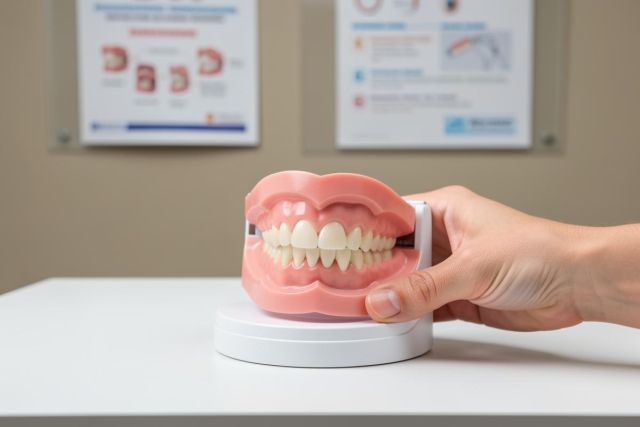
Complete dentures are removable prosthetic appliances designed to replace all teeth in either the upper or lower jaw, or both. These full mouth dentures are typically made from acrylic resin, which is lightweight and can be color-matched to resemble natural gums and teeth. In some cases, metal frameworks are incorporated to provide added strength and durability.
The denture process begins with an oral examination and impressions of your gums and any remaining teeth, which are essential to create a precise mold of your mouth. These impressions serve as the foundation for creating a custom-fit denture that matches your mouth’s contours for comfort and function. After the initial fabrication, several fitting appointments may be necessary to adjust the dentures for proper bite alignment, stability, and comfort.
These adjustments help prevent irritation and sore spots, ensuring that the dentures do not move excessively during daily activities. Your dental professional will guide you through wearing and caring for your new dentures during this period, providing instructions on insertion, removal, cleaning, and managing any initial discomfort.
Complete dentures restore the ability to chew food properly, improve speech clarity, and support facial muscles to maintain a natural appearance. This can enhance self-esteem and social interactions. However, they may feel bulky or require an adjustment period as your mouth adapts to the new appliance. Patience and consistent use typically help patients become comfortable with their dentures over time.
Are Dentures a Suitable Solution for Replacing All Teeth?
Dentures can be a suitable solution for replacing all teeth, especially when natural teeth have been lost due to decay, trauma, or periodontal disease. They provide an affordable and non-invasive option compared to surgical alternatives like dental implants, making them accessible to a wide range of patients.
The advantages of dentures include restoring your smile, improving chewing function, and helping with speech, all of which contribute to enhanced quality of life. They also support facial structure, preventing the sunken appearance that can occur after tooth loss and helping maintain a more youthful facial profile.
However, dentures have limitations. They may not offer the same stability as natural teeth or implant-supported options, leading to potential slipping or discomfort, especially during eating or speaking. Some patients experience difficulty eating certain foods or speaking clearly during the adjustment period, which can require time and practice to overcome. It is important to have realistic expectations and to communicate any discomfort or issues with your dentist for timely adjustments.
Proper denture care and regular dental check-ups are essential to maintain their fit and function, as changes in the mouth over time may necessitate relining or replacement. Your dentist can assess whether dentures meet your oral health needs or if other options might be more appropriate based on factors such as bone density, gum health, and lifestyle considerations. This comprehensive evaluation helps ensure that the chosen treatment provides the best balance of comfort, function, and aesthetics for you.
Types of Dentures and How They Compare
There are several types of dentures available for full-mouth tooth replacement, each with unique benefits and considerations tailored to individual needs.
Traditional dentures are fully removable appliances that rest directly on the gums. They are generally the most affordable option and do not require any surgical procedures. However, they may need adhesives to stay in place and can sometimes shift during eating or speaking, which might cause discomfort or embarrassment.
Implant-supported dentures are anchored securely into the jawbone using dental implants. This provides enhanced stability, improved chewing ability, and helps reduce bone loss over time by stimulating the jawbone similarly to natural tooth roots. On the downside, this option involves surgery, a longer treatment period, and higher costs, which may not be suitable for everyone.
Overdentures combine aspects of both traditional and implant-supported dentures. They fit over a few remaining natural teeth or implants, offering better retention than traditional dentures. They also help preserve bone health and provide sensory feedback. However, overdentures require sufficient remaining teeth or implants and may involve more complex maintenance.
Choosing the right type of denture depends on your oral health, budget, and personal preferences. Consulting with a dental professional can help determine the best option by assessing your oral anatomy, health status, and lifestyle goals to ensure optimal results and satisfaction.
Considerations Before Choosing Dentures as a Full Replacement
Before deciding on dentures as a full replacement for missing teeth, it is important to consider several key factors to achieve the best outcome for your oral health and lifestyle.
First, your oral health status plays a crucial role. Healthy gums and sufficient jawbone structure are essential for a comfortable and successful denture fit. If you have gum disease, bone loss, or other oral health issues, your dentist may recommend treatments like periodontal therapy or bone grafting before fitting dentures. In some cases, alternative options such as implant-supported dentures might be suggested.
Lifestyle and daily habits also influence how well you adapt to dentures. Proper cleaning and maintenance are necessary to prevent infections and ensure the dentures fit well over time. Some individuals may initially experience difficulties with eating certain foods or speaking clearly, which usually improves with practice and patience. Preferences vary, with some patients favoring the convenience of removable dentures, while others prefer more permanent solutions.
Cost is another important consideration. Traditional dentures generally have a lower upfront cost, making them more accessible. Implant-supported dentures, while more expensive initially, can provide long-term benefits such as improved stability and preservation of bone health.
A comprehensive dental consultation will assess your oral health, discuss your expectations, and review all available options. This personalized approach helps create a treatment plan that aligns with your health needs, comfort, and lifestyle preferences.
Caring for Your Dentures: Tips for Longevity and Comfort
Proper care of your dentures is essential to maintain their function, comfort, and longevity.
Daily cleaning is important to remove food particles and plaque that can accumulate on dentures. Using a soft-bristled brush designed specifically for dentures helps protect the delicate acrylic or porcelain surfaces. It is best to use mild denture cleansers instead of regular toothpaste, which can be abrasive and cause scratches that harbor bacteria.
When not in use, dentures should be soaked in a denture-cleaning solution or plain water to keep them moist. This prevents warping or drying out, which can compromise their fit and comfort. Avoid exposing dentures to hot water, as heat can distort their shape and reduce effectiveness.
Regular dental visits are important for checking the fit and condition of your dentures. Your dentist can make necessary adjustments to prevent sore spots, discomfort, or changes in fit caused by natural changes in your mouth over time.
Restore Your Smile With Dentures or Full-Mouth Prosthetics
Answer a few short questions and HealthNode will help you connect with the right prosthodontic or restorative dental specialist.
Comfort, Function, and Appearance
This helps us understand whether you may need new dentures, denture adjustment, implant-supported dentures, or full-mouth prosthetics.
Dental History and Treatment Planning
A few details help the specialist understand whether you may need extractions, denture relining, implants, or full-mouth reconstruction.
Health and Prosthetic Factors
These details help the specialist understand any factors that may affect healing, denture fit, or implant-supported options.
Contact information
Your information is only used to contact you and is never shared with third parties.
Your request has been received!
Thank you. If you have dental X-rays, panoramic X-ray, CBCT scan, previous denture records, implant records, extraction notes, gum treatment records, or photos of your current dentures, please keep them ready. A HealthNode consultant will guide you through the next step.
Maintaining good oral hygiene by cleaning your gums, tongue, and any remaining natural teeth supports overall oral health and helps prevent infections or irritation. With proper care, dentures can provide comfortable and effective tooth replacement for many years, helping you maintain confidence in your smile and oral function.
Frequently Asked Questions
Q: Can dentures replace all missing teeth effectively?
A: Yes, dentures can replace all missing teeth and restore essential functions like chewing and speaking. However, they require adjustment and proper care to be effective and comfortable.
Q: How long do full dentures typically last?
A: Full dentures usually last between 5 to 10 years before needing replacement or relining. Regular dental check-ups help maintain their fit and function over time.
Q: Are implant-supported dentures better than traditional ones?
A: Implant-supported dentures offer greater stability and comfort compared to traditional dentures. They reduce slipping and improve chewing efficiency but involve higher costs and surgical procedures.
Q: What should I consider before choosing dentures for full mouth replacement?
A: Consider your oral health, lifestyle, cost, and willingness to maintain denture hygiene. A dental professional can help evaluate if dentures are the best option for your needs.
Q: How do I care for dentures to ensure longevity?
A: Clean your dentures daily with proper tools, soak them when not in use, and attend regular dental appointments for adjustments. Maintaining good oral hygiene also supports denture comfort and health.
The information provided is for educational purposes only and does not constitute medical advice. Always consult with a healthcare professional for medical guidance specific to your situation.