Quick Answer
Yes, the type of denture significantly affects the cost, with full dentures generally being the most affordable, partial dentures costing more, and implant-supported dentures being the most expensive due to their complexity and materials.
- Full dentures replace an entire arch of teeth and are typically the least expensive option.
- Partial dentures fill gaps when some natural teeth remain and usually cost more than full dentures due to design complexity.
- Implant-supported dentures are the most costly because they require surgical placement of implants and advanced materials.
- Material quality, customization, geographic location, and additional dental procedures also influence denture pricing.
- Affordable dentures can be found abroad, but it is important to consider clinic quality, credentials, and follow-up care.
- Insurance coverage for dentures varies widely and may help cover costs if treatment is medically necessary.
- Budgeting for dentures should include all related expenses such as consultations, fittings, adjustments, and potential travel costs for international treatment.
Does the Type of Denture Affect the Cost?
The type of denture you choose significantly affects the overall cost of dental restoration. Full dentures, partial dentures, and implant-supported dentures differ in materials, complexity, and procedure, which translates directly into varying price points. Understanding these differences helps you make a more informed decision tailored to your dental needs and budget. Beyond cost, it is important to consider factors such as comfort, durability, and aesthetics, as these will impact your daily experience and satisfaction with the dentures. For example, some materials may feel more natural or last longer, while others might be more affordable but require more frequent replacement or adjustment.
For international patients considering treatment abroad, additional factors come into play. Besides pricing, evaluating the quality of the clinic, the expertise of the dental professionals, and the availability of follow-up care are critical to ensuring a safe and successful outcome. Travel logistics, language barriers, and post-treatment support should also be considered to avoid complications.
Navigating denture options with clarity empowers you to plan effectively. By understanding how different denture types influence cost and patient experience, you can set realistic expectations and reduce financial concerns. This knowledge enables you to select a solution that not only fits your lifestyle and oral health goals but also aligns with your financial capacity, ultimately leading to better long-term satisfaction and oral function.
Restore Your Smile With Dentures or Full-Mouth Prosthetics
Answer a few short questions and HealthNode will help you connect with the right prosthodontic or restorative dental specialist.
Comfort, Function, and Appearance
This helps us understand whether you may need new dentures, denture adjustment, implant-supported dentures, or full-mouth prosthetics.
Dental History and Treatment Planning
A few details help the specialist understand whether you may need extractions, denture relining, implants, or full-mouth reconstruction.
Health and Prosthetic Factors
These details help the specialist understand any factors that may affect healing, denture fit, or implant-supported options.
Contact information
Your information is only used to contact you and is never shared with third parties.
Your request has been received!
Thank you. If you have dental X-rays, panoramic X-ray, CBCT scan, previous denture records, implant records, extraction notes, gum treatment records, or photos of your current dentures, please keep them ready. A HealthNode consultant will guide you through the next step.
Types of Dentures: Features and Cost Comparison
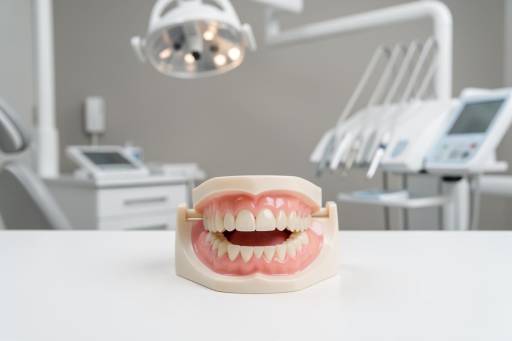
Dentures primarily come in three types: full dentures, partial dentures, and implant-supported dentures. Full dentures replace an entire arch of missing teeth, either upper or lower, and are typically recommended when all natural teeth in that arch are lost. Partial dentures fill gaps when some natural teeth remain, helping to maintain alignment and function. Implant-supported dentures are anchored by dental implants surgically placed into the jawbone, offering more stability, comfort, and improved chewing ability compared to traditional dentures.
The cost varies notably among these types due to differences in fabrication complexity and treatment requirements. Full dentures are generally the most affordable option because their fabrication and fitting process is simpler and less time-consuming. Partial dentures tend to cost more because they must be carefully designed to fit around existing teeth and often incorporate metal clasps or precision attachments for retention. Implant-supported dentures are the most expensive due to the surgical placement of implants, the use of advanced materials, and the need for multiple appointments over several months.
Materials also impact pricing. Acrylic resin dentures are cost-effective but less durable and may not provide the most natural look or feel. Flexible dentures offer enhanced comfort and adaptability but come at a higher price. Porcelain options provide superior aesthetics and strength but require more care and are more costly. Implant-supported dentures involve titanium implants and customized prosthetics, increasing both complexity and cost.
Understanding these denture types helps you balance cost with function and appearance. Each option suits different dental conditions, oral health statuses, and lifestyle preferences. Consulting with a dental specialist can provide guidance tailored to your specific needs, helping you choose the best fit for your oral health goals and budget while considering factors such as comfort, durability, and maintenance requirements.
Factors That Influence Denture Pricing Beyond the Type
Beyond the denture type itself, several other factors influence the final cost of dentures. Material quality is a major consideration; premium acrylics or ceramics tend to raise pricing but offer improved comfort, durability, and a more natural appearance. While basic acrylic dentures are affordable, they may require more frequent repairs or replacements. Investing in higher-quality materials can enhance your overall satisfaction and reduce long-term costs.
Customization also adds to cost because personalized impressions and fittings require more time, skill, and expertise from dental professionals. Custom dentures are tailored to fit your unique oral anatomy, which improves comfort, function, and aesthetics. This process may involve multiple appointments and adjustments to ensure the best possible fit.
Geographic location plays a significant role in denture pricing. Costs for denture fabrication and dental services vary widely between countries and even within regions of the same country. Urban centers with advanced dental facilities often have higher prices compared to smaller towns or rural areas. Additionally, economic factors such as local labor costs, material availability, and regulatory standards influence pricing.
Laboratory fees and the reputation of the clinic or prosthodontist can also affect pricing. Clinics with board-certified specialists and state-of-the-art technology may charge more but often provide higher quality results and adhere to stricter safety standards. Choosing a reputable provider reduces the risk of complications and ensures better long-term outcomes.
Additional procedures, such as tooth extractions, bone grafting, or treatment of gum disease, can increase overall expenses. It is important to consider the full treatment plan, not just the denture fabrication cost, when budgeting. Understanding these elements helps you navigate options confidently, avoid unexpected expenses, and select a treatment path that meets your oral health needs and financial situation.
Comparing Cost-Effective Denture Options for International Patients
For patients exploring dental care abroad, cost-effectiveness is a top priority without sacrificing quality or safety. Many countries offer affordable dentures at a fraction of the prices charged in the US, UK, or Canada, largely due to lower labor and material costs. However, it is crucial to balance affordability with the quality of care to avoid complications or the need for costly revisions later.
Choosing the right clinic involves thorough research, including verifying credentials of the dental professionals, reading patient reviews, and understanding the scope of services included. Transparent pricing structures that cover consultations, denture fabrication, fittings, and follow-up care help patients avoid unexpected expenses and ensure a smooth treatment process.
Partial dentures are often the most budget-friendly solution abroad, especially when combined with flexible payment options or package deals offered by some clinics. Implant-supported dentures can also be competitively priced internationally, but patients should factor in additional costs such as travel, accommodation, and potential time off work. These expenses can add up and should be included in the overall budget.
By comparing clinics and denture types internationally, patients can find a balance between affordability and quality. This approach allows access to expert care and durable prosthetics while managing the budget effectively. It is also advisable to consider the availability of post-treatment support and follow-up visits, which are critical for long-term success, especially when traveling abroad for dental care.
How to Budget and Plan for Your Denture Treatment
Budgeting for dentures requires a comprehensive approach that considers the type of denture, materials used, associated dental procedures, and the location where treatment will take place. Start by obtaining detailed cost estimates from dental providers that include all components such as initial consultations, denture fabrication, fittings, adjustments, and aftercare. This helps avoid surprises and allows for accurate financial planning.
Insurance coverage for dentures varies widely depending on the provider and plan. Some dental or medical insurance policies help cover partial or full denture expenses, particularly when the treatment is deemed medically necessary. It is essential to review your policy details carefully or consult with your insurance provider to understand the extent of coverage, deductibles, and any out-of-pocket responsibilities you may face.
Many dental clinics offer payment plans to make treatment more affordable by spreading costs over several months or years. This can ease the financial burden and make higher-quality options like implant-supported dentures more accessible. Additionally, medical tourism packages sometimes include bundled pricing that covers dentures and related services such as travel, accommodation, and follow-up care, which can simplify budgeting.
Planning ahead and factoring in travel expenses if seeking treatment abroad is crucial to ensure you have a realistic budget. Consider costs such as flights, lodging, meals, and transportation, as well as potential time off work. Being proactive about financial planning reduces stress and allows you to focus on recovery and enjoying your new smile with confidence.
Choosing the Right Denture Type for Your Needs and Budget
Selecting a denture involves weighing your oral health needs, lifestyle, and financial considerations carefully. Full dentures are often the quickest and most affordable way to restore a complete smile, especially when all teeth are missing. However, they may require a period of adjustment as you get used to the fit and feel, and they might not provide the same stability as other options, which can affect eating and speaking initially.
Partial dentures serve as a compromise by preserving remaining natural teeth and providing a more secure fit than full dentures. They are typically less expensive than implant-supported options but more costly than full dentures. Partial dentures can improve chewing efficiency and help maintain the alignment of your natural teeth, but they may require regular maintenance and occasional adjustments to ensure comfort.
Implant-supported dentures offer the best stability and longevity among denture types. By anchoring the denture to dental implants surgically placed in the jawbone, this option often enhances chewing ability and boosts confidence due to their secure fit. Although implant-supported dentures come with higher upfront costs and require a longer treatment timeline due to surgery and healing, their durability and improved function may provide better long-term value and reduce the need for frequent replacements or adjustments.
Discussing your expectations, dental condition, and budget with a dental specialist is essential to identify which denture type aligns best with your goals. This personalized approach takes into account your oral health status, lifestyle habits, and financial situation, ensuring you invest wisely in a solution that supports your oral health, comfort, and lifestyle preferences over time.
Frequently Asked Questions
Q: Do different types of dentures cost significantly more?
Restore Your Smile With Dentures or Full-Mouth Prosthetics
Answer a few short questions and HealthNode will help you connect with the right prosthodontic or restorative dental specialist.
Comfort, Function, and Appearance
This helps us understand whether you may need new dentures, denture adjustment, implant-supported dentures, or full-mouth prosthetics.
Dental History and Treatment Planning
A few details help the specialist understand whether you may need extractions, denture relining, implants, or full-mouth reconstruction.
Health and Prosthetic Factors
These details help the specialist understand any factors that may affect healing, denture fit, or implant-supported options.
Contact information
Your information is only used to contact you and is never shared with third parties.
Your request has been received!
Thank you. If you have dental X-rays, panoramic X-ray, CBCT scan, previous denture records, implant records, extraction notes, gum treatment records, or photos of your current dentures, please keep them ready. A HealthNode consultant will guide you through the next step.
A: Yes, denture costs vary significantly based on type, materials, and complexity. Implant-supported dentures generally have higher prices compared to full or partial dentures.
Q: Are implant-supported dentures worth the extra cost?
A: Many find implant-supported dentures more comfortable and durable, which can justify their higher initial cost. They offer better stability and often improve chewing and speech.
Q: Can I get affordable dentures abroad?
A: Affordable dentures are available in many countries with quality care. Researching clinic credentials and patient reviews is crucial to ensure safety and satisfaction.
Q: Does insurance cover the cost of dentures?
A: Insurance coverage for dentures varies by plan and region. Some policies may cover part of the cost, especially if dentures are medically necessary.
Q: How can I save money on dentures without compromising quality?
A: Consider partial dentures or clinics in countries with lower treatment costs. Consulting your dentist about durable, cost-effective materials can also help save money.
Q: What should I consider when choosing a denture type abroad?
A: Verify the clinic’s qualifications, understand the full pricing structure, and confirm the quality of materials used to ensure safe and effective treatment.
The information provided is for educational purposes only and does not constitute medical advice. Always consult with a healthcare professional for medical guidance specific to your situation.