Quick Answer
Denture treatment results are evaluated by assessing fit, stability, occlusion, patient comfort, function, and satisfaction through clinical examinations and patient feedback. Ongoing monitoring and adjustments ensure dentures maintain optimal performance and support oral health over time.
- Denture success is measured by how well dentures restore chewing, speaking, and appearance without discomfort.
- Fit, stability, and occlusion are critical factors assessed to ensure dentures function properly and comfortably.
- Patient feedback on comfort, appearance, and speech is essential for evaluating treatment effectiveness.
- Clinical methods include visual inspection, pressure indicators, and functional tests during chewing and speaking.
- Common challenges like poor fit or discomfort are addressed through adjustments, relining, or repairs.
- Regular follow-up visits allow dentists to monitor changes in oral tissues and denture condition for timely maintenance.
- Proper hygiene and care are important to prolong denture lifespan and prevent complications.
How Are Denture Treatment Results Evaluated?
Denture treatment results are evaluated by assessing how well the dentures restore oral function, comfort, and appearance for the patient. Dental professionals consider multiple factors including fit, stability, occlusion, and patient feedback to determine whether the dentures achieve their intended goals. This comprehensive evaluation ensures the dentures support essential functions such as chewing, speaking, and aesthetics while minimizing discomfort or complications that could affect your oral health.
Evaluating denture success is crucial because it directly impacts a patient’s quality of life after tooth loss. Properly fitting dentures can improve nutrition by enabling effective chewing, enhance speech clarity by supporting tongue and lip movements, and boost self-confidence through improved appearance. Dentists use both objective clinical measures, such as examining the physical fit and function of the dentures, and subjective patient reports to determine how effective the treatment has been.
Understanding these evaluation criteria helps you know what to expect during and after your denture treatment. Your dentist will monitor denture fit, function, and comfort throughout the treatment process and during follow-up visits. This ongoing assessment allows for timely adjustments or repairs to maintain optimal outcomes and prevent potential problems.
Restore Your Smile With Dentures or Full-Mouth Prosthetics
Answer a few short questions and HealthNode will help you connect with the right prosthodontic or restorative dental specialist.
Comfort, Function, and Appearance
This helps us understand whether you may need new dentures, denture adjustment, implant-supported dentures, or full-mouth prosthetics.
Dental History and Treatment Planning
A few details help the specialist understand whether you may need extractions, denture relining, implants, or full-mouth reconstruction.
Health and Prosthetic Factors
These details help the specialist understand any factors that may affect healing, denture fit, or implant-supported options.
Contact information
Your information is only used to contact you and is never shared with third parties.
Your request has been received!
Thank you. If you have dental X-rays, panoramic X-ray, CBCT scan, previous denture records, implant records, extraction notes, gum treatment records, or photos of your current dentures, please keep them ready. A HealthNode consultant will guide you through the next step.
Being informed about how denture treatment results are evaluated empowers you to communicate effectively with your dental care team and participate actively in your oral health journey. It encourages collaboration between you and your dentist to achieve the best possible results and maintain your oral health and quality of life over the long term.
Key Objectives in Evaluating Denture Treatment Success
The primary goals of denture treatment evaluation focus on restoring oral functionality, aesthetics, and patient comfort to improve overall quality of life. Dentures are designed to replace missing teeth in a way that allows you to chew food efficiently and speak clearly without pain, discomfort, or difficulty. Achieving a natural appearance that blends seamlessly with your facial features is also a key objective, as this supports your self-esteem and social confidence.
Treatment success criteria often include several important factors. First, how well the dentures fit your gums and jawbone is assessed, since a proper fit is essential for comfort and function. Second, the stability of the dentures during use is evaluated to ensure they remain securely in place during activities such as eating and speaking. Third, the effect of the dentures on your bite alignment, known as occlusion, is examined because proper occlusion supports efficient chewing and helps prevent jaw joint problems.
Patient satisfaction is a central goal of denture treatment evaluation because comfort and confidence wearing dentures significantly influence your overall well-being. A denture that looks good but causes discomfort or functional difficulties may not be considered successful from the patient’s perspective.
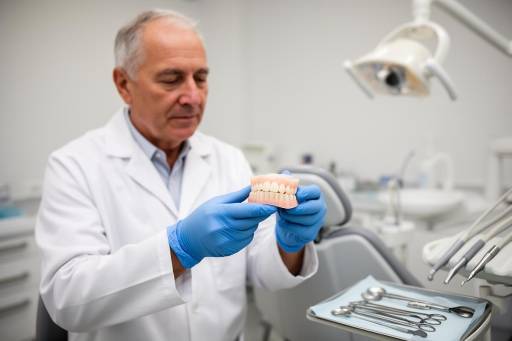
Dental professionals measure these outcomes by conducting thorough clinical examinations to check the physical fit, stability, and occlusion of the dentures. They also assess how you manage daily activities like eating and speaking, and gather your feedback on comfort, appearance, and any challenges you experience. This holistic approach ensures that denture treatments not only look good but also function effectively in your daily life, supporting your oral health and personal satisfaction.
Key Factors in Assessing Denture Fit and Function
Denture fit and function are critical components evaluated through both clinical examinations and patient feedback to ensure that your dentures perform effectively and comfortably. Fit refers to how snugly the denture base conforms to the contours of your gums and underlying bone structure without causing irritation or pressure points. A well-fitting denture distributes chewing forces evenly across the supporting tissues, which helps minimize sore spots and prevents tissue damage.
Stability is another essential factor, describing how securely the denture stays in place during activities such as speaking, chewing, and smiling. Dentures that shift, rock, or loosen can impair function, cause discomfort, and reduce confidence in social situations. Stability depends on proper denture design, accurate fit, and the health of the supporting oral tissues.
Occlusion, or how the upper and lower teeth meet, is carefully assessed to ensure proper bite alignment. Correct occlusion is important for efficient chewing, preventing excessive wear on the dentures, and maintaining jaw joint health. Misaligned occlusion can lead to uneven pressure distribution, discomfort, and temporomandibular joint (TMJ) problems.
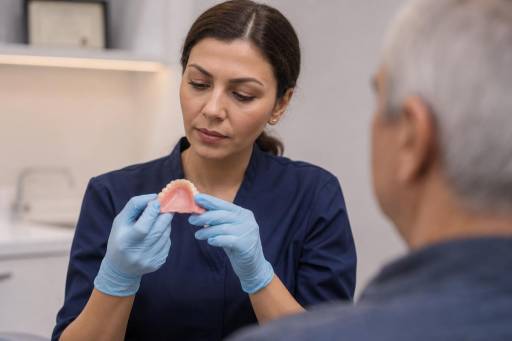
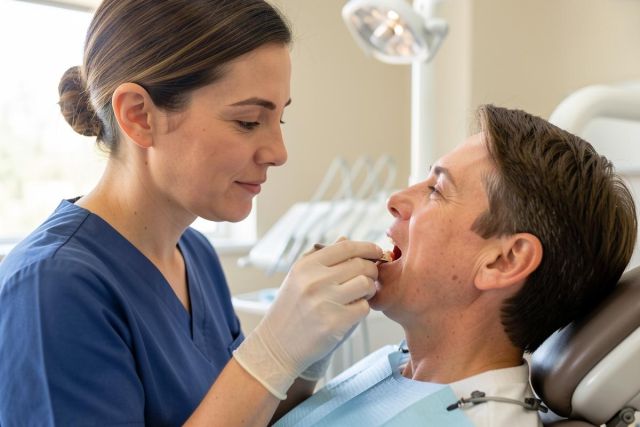
Clinicians use a variety of methods to evaluate denture performance, including visual inspection of the fit and tissue condition, application of pressure indicator materials to detect high-pressure areas, and functional tests such as observing chewing and speaking. Patient feedback about comfort and function during daily activities is also essential.
Based on these findings, adjustments may be made to optimize fit and function for each patient. These can include relining, rebasing, occlusal corrections, or minor reshaping of the denture. This individualized approach helps ensure that your dentures provide the best possible support, comfort, and usability.
Patient-Centered Outcomes and Satisfaction
Patient-centered outcomes emphasize how dentures impact your everyday life, focusing on comfort, appearance, and speech, all of which are critical to your overall satisfaction and quality of life. Comfort is paramount because ill-fitting dentures can cause pain, irritation, or difficulty eating, which can lead to reduced nutritional intake and diminished enjoyment of food. Persistent discomfort may also discourage denture use, negatively affecting oral function.
The appearance of dentures plays a significant role in your confidence and social interactions. Dentists aim to create natural-looking teeth that harmonize with your facial structure, skin tone, and smile aesthetics. A well-designed denture can restore your facial contours and support soft tissues, helping to prevent a sunken appearance that sometimes occurs after tooth loss.
Speech clarity is another important consideration, as dentures influence tongue movement and pronunciation. Poorly fitting dentures may cause slurring or difficulty articulating certain sounds, which can affect communication and social engagement.
Your subjective feedback regarding these factors is invaluable for assessing overall treatment success. Dentists often use questionnaires, interviews, or direct conversations during follow-up visits to understand your level of satisfaction and identify any concerns or areas needing improvement. This patient-centered approach ensures that treatment is tailored to your individual needs and preferences.
Ultimately, improving your quality of life through effective denture treatment remains the primary goal. By addressing comfort, aesthetics, and speech, dental professionals strive to help you regain confidence, enjoy social activities, and maintain good nutrition and oral health.
Common Challenges and How They Are Addressed
Denture treatments can sometimes encounter challenges that affect patient comfort and functionality, such as discomfort, poor fit, or difficulty with chewing and speaking. These issues frequently arise due to natural changes in the gums and bone that occur after tooth extraction, or from an inadequate initial fitting process. Additionally, factors such as improper denture care, trauma, or wear and tear can contribute to these problems.
Dental professionals address these challenges through a range of interventions tailored to the specific issue. Adjustments involve carefully trimming or reshaping parts of the denture to relieve sore spots or improve the overall fit within the mouth. Relining is another common solution, where new material is added to the denture base to better conform to the current shape of your gums and bone, accommodating changes that occur over time.
In some cases, repairs may be necessary if the denture has sustained cracks, fractures, or other damage that compromises its function or comfort. These repairs help restore the structural integrity of the denture and prevent further complications.
Regular follow-up care is essential to detect and resolve any issues early before they become more serious. Your dentist will provide guidance on proper maintenance routines and advise you on when to seek professional help if you experience discomfort, changes in fit, or difficulty with chewing or speaking. By addressing these challenges promptly and effectively, long-term denture success and patient satisfaction can be achieved.
Long-Term Monitoring and Maintenance of Denture Success
Maintaining denture success requires ongoing monitoring and professional care to ensure that your dentures continue to function well and remain comfortable over time. Regular dental check-ups are essential, as they allow your dentist to evaluate the fit and function of your dentures, as well as to assess any changes in your oral health that may affect denture performance. These visits provide an opportunity to identify early signs of wear, damage, or changes in the tissues supporting your dentures.
Restore Your Smile With Dentures or Full-Mouth Prosthetics
Answer a few short questions and HealthNode will help you connect with the right prosthodontic or restorative dental specialist.
Comfort, Function, and Appearance
This helps us understand whether you may need new dentures, denture adjustment, implant-supported dentures, or full-mouth prosthetics.
Dental History and Treatment Planning
A few details help the specialist understand whether you may need extractions, denture relining, implants, or full-mouth reconstruction.
Health and Prosthetic Factors
These details help the specialist understand any factors that may affect healing, denture fit, or implant-supported options.
Contact information
Your information is only used to contact you and is never shared with third parties.
Your request has been received!
Thank you. If you have dental X-rays, panoramic X-ray, CBCT scan, previous denture records, implant records, extraction notes, gum treatment records, or photos of your current dentures, please keep them ready. A HealthNode consultant will guide you through the next step.
Over time, natural physiological changes occur in your gums and underlying bone structure. Bone resorption and gum tissue shrinkage can alter how dentures fit, potentially leading to looseness or discomfort. Because of these changes, periodic relines, where new material is added to the denture base to improve its adaptation to your mouth, or complete denture replacements may become necessary to restore optimal fit and function.
In addition to professional care, proper hygiene and careful handling of your dentures are critical to prolong their lifespan and prevent complications such as infections, irritation, or mechanical damage. Your dentist will provide detailed guidance on effective cleaning techniques, including the use of appropriate brushes and soaking solutions, to maintain both your dentures and oral tissues in good condition.
Scheduled follow-up appointments enable your dental care provider to monitor your oral tissues for signs of irritation or pathology and to make timely adjustments to your dentures. This ongoing maintenance supports sustained treatment results, helps preserve your oral health, and contributes positively to your overall quality of life by ensuring that your dentures remain comfortable and functional for years to come.
Frequently Asked Questions
Q: How do dentists measure if dentures fit properly?
A: Dentists assess denture fit by visually inspecting the denture base against your gums and using pressure-indicating materials to identify sore spots. They also observe how well the dentures stay in place during chewing and speaking. Adjustments are made as needed to ensure a comfortable, stable fit.
Q: What signs indicate dentures are not functioning well?
A: Common signs include discomfort, slipping or movement while eating or talking, difficulty chewing, and changes in speech clarity. If you experience persistent sore spots or difficulty with your dentures, you should consult your dentist for evaluation and possible adjustments.
Q: How important is patient feedback in evaluating denture success?
A: Patient feedback is essential because comfort, appearance, and function are subjective experiences that affect satisfaction. Dentists rely on your input to understand how the dentures impact your daily life and to make necessary modifications for improved outcomes.
Q: Why are follow-up visits necessary after denture treatment?
A: Follow-up visits allow your dentist to monitor changes in your mouth, assess denture fit and function, and address any emerging problems. Regular check-ups help maintain comfort and durability, ensuring your dentures continue to meet your needs over time.
The information provided is for educational purposes only and does not constitute medical advice. Always consult with a healthcare professional for medical guidance specific to your situation.