Quick Answer
Dentures typically last between 5 to 10 years, but their lifespan varies based on factors like denture type, materials, oral care, and changes in the mouth. Proper maintenance and regular dental check-ups can help extend their durability.
- Dentures generally need replacement or significant repair every 5 to 10 years due to wear and changes in mouth anatomy.
- Bone and gum tissue resorption after tooth loss alters denture fit, often requiring relining or replacement.
- Daily cleaning with a soft brush and denture cleanser, along with careful handling, is essential to prolong denture life.
- Avoiding damaging habits like chewing hard foods or grinding teeth helps prevent premature denture damage.
- Regular dental visits allow professional cleaning, fit assessment, and timely interventions to maintain denture function.
- Visible damage, persistent looseness, discomfort, or bad odors are signs that dentures may need replacement.
- Different types of dentures and materials affect durability, with implant-supported dentures generally lasting longer.
How Long Do Dentures Last?
Dentures typically have a lifespan ranging from 5 to 10 years, although this can vary widely depending on several important factors. These include the type of denture you have, the materials used in their construction, and how well you care for and maintain them over time. Understanding these variables can help you set realistic expectations about how long your dentures will last and when you might need to consider adjustments or replacement.
As you wear dentures, natural changes occur in your mouth. The gums and underlying jawbone gradually resorb or shrink, altering the shape of the tissues that support your dentures. This process can cause your dentures to fit less securely and may require relining or replacement to restore comfort and function. Additionally, everyday wear and tear on the denture materials themselves can lead to deterioration, such as cracks, chips, or worn teeth.
Proper denture care and maintenance are critical in extending the durability of your dentures. This includes regular cleaning to prevent staining and bacterial buildup, handling dentures carefully to avoid damage, and attending scheduled dental check-ups for professional assessments and adjustments. By following these practices, you can help ensure your dentures remain comfortable, functional, and aesthetically pleasing for as long as possible.
Restore Your Smile With Dentures or Full-Mouth Prosthetics
Answer a few short questions and HealthNode will help you connect with the right prosthodontic or restorative dental specialist.
Comfort, Function, and Appearance
This helps us understand whether you may need new dentures, denture adjustment, implant-supported dentures, or full-mouth prosthetics.
Dental History and Treatment Planning
A few details help the specialist understand whether you may need extractions, denture relining, implants, or full-mouth reconstruction.
Health and Prosthetic Factors
These details help the specialist understand any factors that may affect healing, denture fit, or implant-supported options.
Contact information
Your information is only used to contact you and is never shared with third parties.
Your request has been received!
Thank you. If you have dental X-rays, panoramic X-ray, CBCT scan, previous denture records, implant records, extraction notes, gum treatment records, or photos of your current dentures, please keep them ready. A HealthNode consultant will guide you through the next step.
Whether you are considering getting dentures for the first time or have been wearing them for years, knowing how to care for them and when to seek professional evaluation can significantly improve your experience. This guide aims to provide you with essential information about denture longevity, practical tips for maintenance, and insight into when replacement may be necessary, empowering you to maintain your oral health and confidence.
How Long Do Dentures Last? Key Factors Affecting Their Lifespan
Dentures generally have an expected lifespan of about 5 to 10 years before they require replacement or significant repair. However, this timeframe can vary widely depending on individual factors such as the quality of the denture, the materials used in their construction, and how well you care for them. Understanding these variables can help you better manage your expectations and oral care routine.
One of the main reasons dentures need replacement over time is due to changes in the fit. The bone and gum tissues in your jaw naturally resorb or shrink after tooth loss, altering the shape of the area that supports your dentures. Even if the denture itself remains intact, these anatomical changes can cause discomfort, looseness, and difficulty with chewing or speaking. When fit problems arise, your dentist may recommend relining or rebasing the dentures to improve comfort, but eventually, replacement may be necessary.
Regular dental visits are essential to monitor the fit and condition of your dentures as well as your overall oral health. Your dentist can detect early signs of wear, damage, or fit issues and recommend appropriate interventions such as professional cleaning, repairs, relining, or replacement. Early attention helps prevent more serious problems like gum irritation, infections, or difficulty eating.
Proper denture maintenance is also critical in prolonging their usability. This includes routine cleaning to prevent staining and bacterial buildup, avoiding habits that can damage dentures such as chewing hard foods or dropping them, and storing them properly when not in use. Neglecting care often leads to premature damage, discoloration, and odor, which compromises both denture function and your oral health.
By understanding how long dentures typically last and the factors influencing their durability, you can take proactive steps to maintain comfort, function, and confidence in your smile over the years.
Key Factors That Influence How Long Your Dentures Last
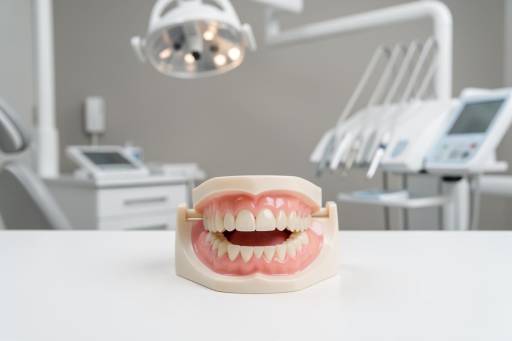
Several key factors influence how long your dentures will last, and understanding these can help you take steps to maximize their lifespan. The type of denture you have plays a significant role. Complete dentures, which replace all teeth in either the upper or lower jaw, may experience different wear patterns compared to partial dentures, which replace only some teeth and rely on remaining natural teeth for support.
The materials used in fabricating your dentures also affect their durability. Acrylic resin is a common and cost-effective material, but it can be more prone to wear, fractures, and discoloration over time. Dentures reinforced with metal frameworks or made from higher-quality materials may offer improved strength and longevity but can be more expensive.
Your oral habits and overall health status are important considerations. Frequent consumption of staining substances such as coffee, tea, red wine, or tobacco can discolor your dentures, making them look aged and less attractive. Poor cleaning habits can lead to bacterial buildup, bad odors, and infections. Additionally, habits like teeth grinding (bruxism) or clenching can cause accelerated wear or damage to the denture teeth and base.
Natural changes in your mouth also impact denture longevity. Bone loss and changes in gum tissue shape occur gradually after tooth loss, altering how well your dentures fit. This may necessitate relining, rebasing, or full replacement sooner than expected. Maintaining good oral hygiene and attending regular dental evaluations allow your dentist to monitor these changes and recommend timely interventions.
Ultimately, consistent care, avoidance of damaging habits, and regular professional assessments are the best ways to identify problems early and maintain your dentures' function, comfort, and appearance for as long as possible.
Essential Denture Care Tips to Extend Their Lifespan
Taking good care of your dentures is essential not only for extending their lifespan but also for maintaining your overall oral health and comfort. Daily cleaning is a fundamental step. Use a soft-bristle brush specifically designed for dentures along with a mild soap or a denture cleaner recommended by your dentist. Avoid using regular toothpaste or abrasive cleaners, as these can scratch the denture surface, creating rough areas that harbor bacteria and stains.
It is important to remove your dentures at night to give your gums and oral tissues a chance to rest and recover. Wearing dentures continuously can increase the risk of irritation and infections such as denture stomatitis. Soaking your dentures overnight in a denture cleaning solution helps keep them fresh, removes plaque and stains, and prevents the buildup of bacteria and fungi.
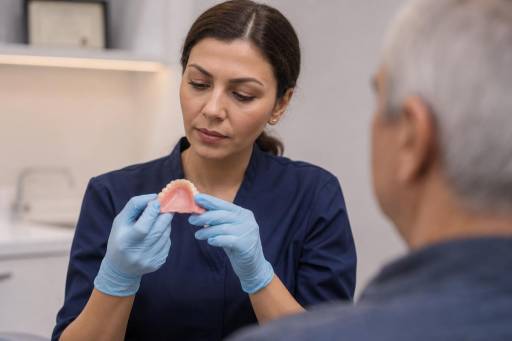
Handle your dentures carefully to avoid accidental drops or damage. When cleaning, do so over a soft surface such as a folded towel or a basin filled with water to cushion any falls. Avoid exposing dentures to hot water or harsh chemicals, which can warp or degrade the materials, compromising fit and durability.
Regular dental check-ups are crucial. Your dentist can professionally clean your dentures, check for signs of wear or damage, and assess the fit. As your mouth changes over time, your dentist may recommend relining or repairs to restore comfort and function. Following your dentist’s advice on care and maintenance ensures your dentures remain in good condition and continue to serve you well.
Avoid habits that can damage your dentures, such as chewing hard or sticky foods, using your dentures to open packages, or grinding your teeth excessively. These behaviors can cause premature wear or breakage. By adopting proper care habits and maintaining regular dental visits, you can significantly extend the life of your dentures and enjoy better oral health.
Signs It’s Time to Replace Your Dentures
Even with excellent daily care and regular dental check-ups, dentures do not last forever. Recognizing the signs that indicate it is time to replace your dentures is important to prevent discomfort, oral health problems, and difficulties in your daily activities such as eating and speaking. Over time, natural changes in your mouth and wear on the denture itself can affect their fit and function, making timely replacement essential.
One of the most common signs that your dentures need replacement is persistent looseness or slipping during normal activities. This can cause embarrassment, difficulty chewing food properly, and problems with clear speech. Such looseness often results from gradual changes in the shape of your gums and jawbone, which naturally shrink and reshape over time after tooth loss. When dentures no longer fit snugly, they can rub against your gums, leading to sore spots or irritation.
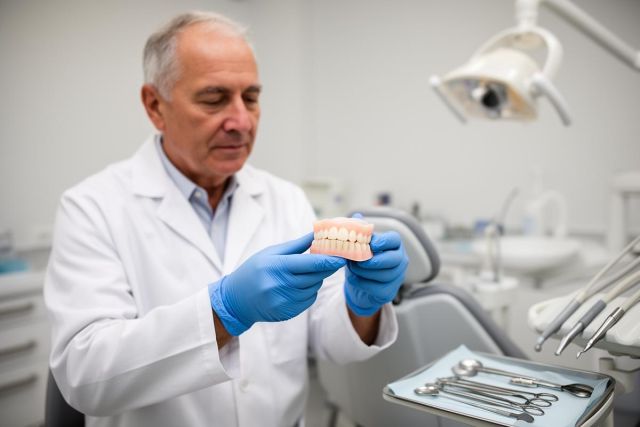
Visible damage to the dentures themselves is another clear indicator. Cracks, chips, or worn-down teeth on the denture surface can impair their ability to function properly and may cause discomfort or injury to your mouth tissues. Structural damage also increases the risk of bacterial buildup and infection.
If you experience ongoing discomfort, sore spots, or irritation in your gums that do not improve even after professional adjustments, it is a warning sign that your dentures may no longer be suitable. Additionally, dentures that cause persistent bad breath or develop stubborn stains despite thorough cleaning may have reached the end of their effective lifespan.
Restore Your Smile With Dentures or Full-Mouth Prosthetics
Answer a few short questions and HealthNode will help you connect with the right prosthodontic or restorative dental specialist.
Comfort, Function, and Appearance
This helps us understand whether you may need new dentures, denture adjustment, implant-supported dentures, or full-mouth prosthetics.
Dental History and Treatment Planning
A few details help the specialist understand whether you may need extractions, denture relining, implants, or full-mouth reconstruction.
Health and Prosthetic Factors
These details help the specialist understand any factors that may affect healing, denture fit, or implant-supported options.
Contact information
Your information is only used to contact you and is never shared with third parties.
Your request has been received!
Thank you. If you have dental X-rays, panoramic X-ray, CBCT scan, previous denture records, implant records, extraction notes, gum treatment records, or photos of your current dentures, please keep them ready. A HealthNode consultant will guide you through the next step.
It is important to consult your dentist promptly if you notice any of these signs. Early professional evaluation allows for adjustments, relining, or replacement before more serious problems develop. Timely replacement not only maintains your oral health but also preserves your quality of life by ensuring your dentures remain comfortable, functional, and aesthetically pleasing.
Frequently Asked Questions
Q: How often should dentures be replaced?
A: Dentures typically need replacement every 5 to 10 years, depending on wear and changes in your mouth. Regular dental check-ups help determine the right timing for replacement or adjustments.
Q: Can dentures be repaired if damaged?
A: Minor damage like small cracks or chips can often be repaired by a dentist. However, extensive damage or poor fit usually requires replacement for optimal comfort and function.
Q: What daily care is best for dentures?
A: Clean your dentures daily with a soft brush and denture cleanser, avoid abrasive toothpaste, soak them overnight, and handle them carefully to avoid damage. This routine helps extend their lifespan and keeps your mouth healthy.
Q: Do dentures affect jawbone health?
A: Wearing dentures does not stop natural bone loss in the jaw over time, which can affect denture fit. Implant-supported dentures may help preserve bone better, but regular dental monitoring is important.
Q: Are there different types of dentures with varying durability?
A: Yes, complete, partial, and implant-supported dentures differ in materials and durability. Implant-supported dentures tend to last longer due to better stability and support.
The information provided is for educational purposes only and does not constitute medical advice. Always consult with a healthcare professional for medical guidance specific to your situation.