Quick Answer
Flexible partial dentures are removable dental appliances made from soft, flexible materials that replace one or more missing teeth, offering a comfortable and natural-looking alternative to traditional partial dentures.
- Flexible partial dentures use pliable, gum-colored materials that blend naturally with your mouth and avoid metal clasps.
- They provide improved comfort by adapting to oral movements and reducing irritation compared to rigid dentures.
- These dentures restore chewing and speaking functions while enhancing the appearance of your smile.
- Flexible partial dentures are durable, resistant to fractures, lightweight, and easy to handle.
- They are suitable for patients with healthy gums and sufficient bone structure, especially those allergic to metals.
- Proper care includes daily cleaning with a soft brush, avoiding hot water, soaking overnight, and regular dental check-ups.
- Alternatives to flexible partial dentures include fixed bridges, dental implants, and traditional partial dentures with acrylic and metal components.
What Are Flexible Partial Dentures?
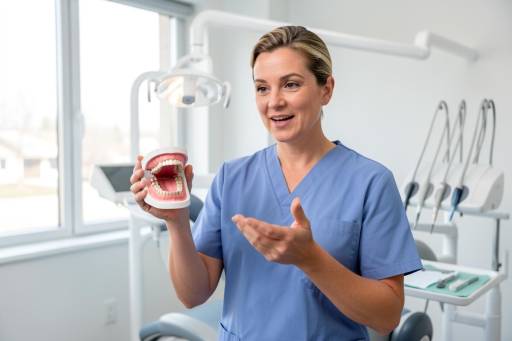
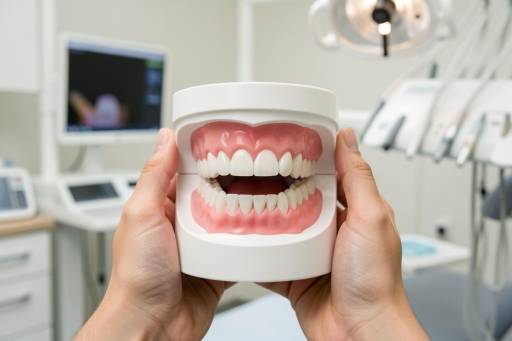
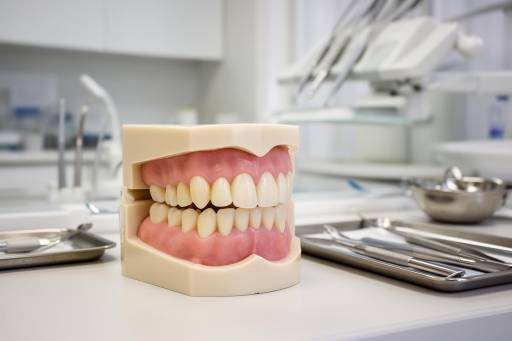
Flexible partial dentures are a type of removable dental appliance designed to replace one or more missing teeth with a flexible, gum-colored base that blends naturally with your mouth. Unlike traditional partial dentures made with rigid acrylic and metal clasps, these dentures use soft, pliable materials that offer enhanced comfort and a more discreet appearance.
These dentures serve both functional and aesthetic roles by restoring your ability to chew and speak properly while filling gaps in your smile. They are especially beneficial for patients seeking a lightweight, less bulky solution that adapts comfortably to oral movements.
Understanding flexible partial dentures equips you to make informed decisions about your dental restoration options. This knowledge is crucial because tooth loss affects not only oral health but also self-confidence and quality of life. Learning how these dentures work and their benefits helps you weigh them against other solutions such as fixed bridges or implants.
Restore Your Smile With Dentures or Full-Mouth Prosthetics
Answer a few short questions and HealthNode will help you connect with the right prosthodontic or restorative dental specialist.
Comfort, Function, and Appearance
This helps us understand whether you may need new dentures, denture adjustment, implant-supported dentures, or full-mouth prosthetics.
Dental History and Treatment Planning
A few details help the specialist understand whether you may need extractions, denture relining, implants, or full-mouth reconstruction.
Health and Prosthetic Factors
These details help the specialist understand any factors that may affect healing, denture fit, or implant-supported options.
Contact information
Your information is only used to contact you and is never shared with third parties.
Your request has been received!
Thank you. If you have dental X-rays, panoramic X-ray, CBCT scan, previous denture records, implant records, extraction notes, gum treatment records, or photos of your current dentures, please keep them ready. A HealthNode consultant will guide you through the next step.
Flexible Partial Dentures: A Modern Approach to Comfortable Dental Restoration
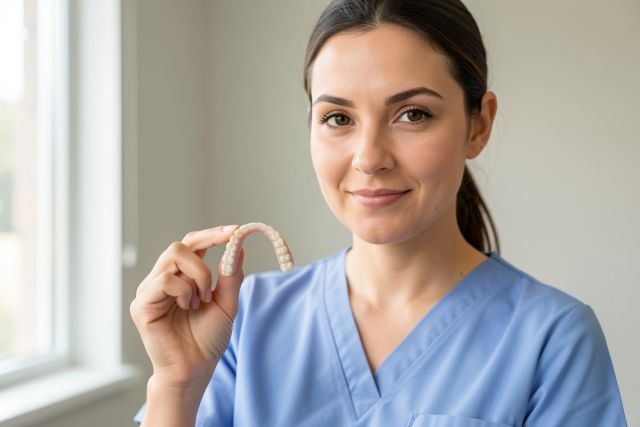
Flexible partial dentures are dental prosthetics designed to replace missing teeth using a soft, flexible material often made of nylon or thermoplastic resin. This material mimics the natural color of your gums, providing a less noticeable and more aesthetically pleasing alternative to traditional partial dentures that rely on metal clasps and hard acrylic bases.
The flexibility of the base allows the denture to move with your mouth, reducing irritation and discomfort often associated with rigid dentures. They typically fit snugly around your remaining natural teeth, using small, flexible clasps that are less visible and more comfortable than metal clasps.
These dentures restore essential oral functions such as chewing and speaking while improving the overall appearance of your smile. They are especially advantageous for individuals who may not be candidates for dental implants or prefer a non-invasive restoration option. Flexible partial dentures represent a modern development in dental restoration options aimed at maximizing comfort and natural aesthetics.
Benefits of Flexible Partial Dentures Over Traditional Options
Flexible partial dentures offer several benefits compared to traditional partial dentures that make them an appealing choice for many patients. One of the primary advantages is comfort. Because the base is made from a pliable material, these dentures adapt to the contours of your mouth and move more naturally with oral tissues, minimizing sore spots and irritation.
Aesthetic benefits are significant as well. The gum-colored base and the absence of bulky metal clasps make these dentures less conspicuous. This means you can smile and speak with more confidence, as they blend seamlessly with your natural gums and teeth.
Durability is another advantage. Flexible dentures are resistant to fractures that sometimes affect acrylic dentures, making them less likely to break if dropped. Additionally, they are lightweight and easy to handle, which enhances daily wearability. These benefits combined enhance overall patient satisfaction and quality of life.
Because of their comfort and appearance, flexible partial dentures often encourage better adaptation and compliance, leading to improved oral function and hygiene.
Is Flexible Partial Denture Right for You? Factors to Consider
Determining if flexible partial dentures are suitable for you depends on several factors related to your oral health, lifestyle, and personal preferences. Your dental professional will assess the condition of your remaining teeth and gums to ensure they can support the denture effectively.
Patients with healthy gums and sufficient bone structure often benefit most from flexible partial dentures. If you have allergies to certain materials or metals, the flexible, metal-free base can be a safer option.
Lifestyle considerations include your daily activities and how much time you can dedicate to denture care. While flexible dentures are easy to maintain, they still require regular cleaning and proper handling.
Personal preferences about appearance and comfort also play a role. If you prioritize a natural look and comfort over the permanence of fixed options like implants or bridges, flexible partial dentures may be the right choice for you. However, they may not be suitable for extensive tooth loss or severe bite issues, where other restoration options might be more effective.
Caring for Your Flexible Partial Dentures: Tips and Best Practices
Proper care of flexible partial dentures is essential to maintain their longevity and to keep your mouth healthy. Since these dentures are made of flexible materials, avoid exposing them to hot water, which can warp their shape.
Daily cleaning with a soft-bristled denture brush and mild, non-abrasive cleanser helps prevent plaque buildup and stains. Avoid using regular toothpaste, which can be too abrasive for flexible materials.
Remove your dentures at night to give your gums a rest and to reduce the risk of irritation or infection. While out of your mouth, soak them in a denture-cleaning solution recommended by your dentist to keep them fresh.
Regular dental check-ups are important to monitor the fit and condition of your dentures and to ensure your oral tissues remain healthy. Proper care enhances comfort and functionality, making your flexible partial dentures a reliable part of your oral health routine.
Alternatives to Flexible Partial Dentures: What Are Your Options?
Besides flexible partial dentures, several other dental restoration options exist to replace missing teeth, each with its own advantages and considerations. Fixed dental bridges are a common alternative that involves anchoring artificial teeth to neighboring natural teeth, providing a stable and non-removable solution.
Dental implants offer a more permanent option by surgically placing titanium posts into the jawbone to support crowns or bridges. Implants preserve jawbone health and provide excellent function and aesthetics but require sufficient bone density and a surgical procedure.
Traditional partial dentures with acrylic bases and metal clasps remain an option, often at a lower cost but with less comfort and aesthetic appeal compared to flexible dentures.
Your dental professional can guide you in comparing these options based on your oral health, budget, and personal preferences to find the best solution for your tooth replacement needs.
Restore Your Smile With Dentures or Full-Mouth Prosthetics
Answer a few short questions and HealthNode will help you connect with the right prosthodontic or restorative dental specialist.
Comfort, Function, and Appearance
This helps us understand whether you may need new dentures, denture adjustment, implant-supported dentures, or full-mouth prosthetics.
Dental History and Treatment Planning
A few details help the specialist understand whether you may need extractions, denture relining, implants, or full-mouth reconstruction.
Health and Prosthetic Factors
These details help the specialist understand any factors that may affect healing, denture fit, or implant-supported options.
Contact information
Your information is only used to contact you and is never shared with third parties.
Your request has been received!
Thank you. If you have dental X-rays, panoramic X-ray, CBCT scan, previous denture records, implant records, extraction notes, gum treatment records, or photos of your current dentures, please keep them ready. A HealthNode consultant will guide you through the next step.
Frequently Asked Questions
Q: How long do flexible partial dentures typically last?
A: Flexible partial dentures generally last between 5 to 10 years, depending on how well you care for them and changes in your mouth. Regular dental visits can help ensure they fit properly over time and allow adjustments as needed.
Q: Can I eat normally with flexible partial dentures?
A: Yes, flexible partial dentures restore chewing function and allow you to eat most foods comfortably. However, it is advisable to avoid very hard or sticky foods initially and gradually return to your normal diet as you adapt.
Q: Are flexible partial dentures suitable for all types of tooth loss?
A: Flexible partial dentures are best suited for replacing a few missing teeth rather than full arches. Extensive tooth loss or complex bite problems may require alternative restorations like implants or full dentures.
Q: How do I clean and maintain flexible partial dentures?
A: Clean your dentures daily using a soft denture brush and gentle cleanser, avoid hot water to prevent warping, and soak them overnight in a denture solution. Removing them at night also promotes oral health.
Q: Will flexible partial dentures affect my speech?
A: Most patients adjust quickly to flexible partial dentures, with minimal impact on speech. If you experience difficulty, practicing speaking aloud can help you adapt faster.
The information provided is for educational purposes only and does not constitute medical advice. Always consult with a healthcare professional for medical guidance specific to your situation.