Quick Answer
Removable dentures are dental appliances that replace missing teeth and can be taken out for cleaning. They come in two main types: partial dentures for some missing teeth and full dentures for all teeth in an arch.
- Removable dentures restore function and aesthetics by replacing missing teeth and supporting facial structure.
- Partial dentures replace some missing teeth and use clasps to hold onto remaining teeth, while full dentures replace all teeth in an arch.
- They are custom-made to fit the mouth and can be removed for cleaning and maintenance.
- Removable dentures are generally more affordable and less invasive than dental implants or fixed bridges.
- Proper care includes daily cleaning with a soft brush and denture cleaner, rinsing after meals, and soaking dentures when not worn.
- Regular dental checkups are important to ensure proper fit and oral health while wearing dentures.
- Choosing dentures depends on personal factors like oral health, budget, and lifestyle, and should be discussed with a dental professional.
What Are Removable Dentures?
Removable dentures are dental appliances designed to replace missing teeth and restore both function and aesthetics to your smile. They come in two main types: partial dentures, which replace some missing teeth, and full dentures, which replace all teeth in an arch. These prosthetics are custom-made to fit your mouth and can be taken out for cleaning and maintenance.
Choosing removable dentures can be an effective solution for tooth replacement, especially if you seek a non-invasive and reversible option. They not only help improve chewing and speaking but also support facial structure, preventing the sunken appearance that can occur with tooth loss. Understanding how removable dentures work and their benefits can help you make an informed decision about your oral health.
Whether you are considering dentures for the first time or exploring options to replace failing teeth, this overview will guide you through types, advantages, care guidelines, and how they compare with other dental prosthetics.
Restore Your Smile With Dentures or Full-Mouth Prosthetics
Answer a few short questions and HealthNode will help you connect with the right prosthodontic or restorative dental specialist.
Comfort, Function, and Appearance
This helps us understand whether you may need new dentures, denture adjustment, implant-supported dentures, or full-mouth prosthetics.
Dental History and Treatment Planning
A few details help the specialist understand whether you may need extractions, denture relining, implants, or full-mouth reconstruction.
Health and Prosthetic Factors
These details help the specialist understand any factors that may affect healing, denture fit, or implant-supported options.
Contact information
Your information is only used to contact you and is never shared with third parties.
Your request has been received!
Thank you. If you have dental X-rays, panoramic X-ray, CBCT scan, previous denture records, implant records, extraction notes, gum treatment records, or photos of your current dentures, please keep them ready. A HealthNode consultant will guide you through the next step.
Types and Functions of Removable Dentures
Removable dentures serve as artificial replacements for missing teeth and surrounding tissues. They are crafted to fit comfortably in your mouth and can be removed easily for cleaning. The two primary types are partial dentures and full dentures.
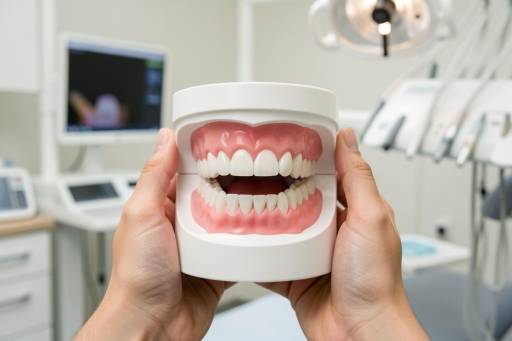
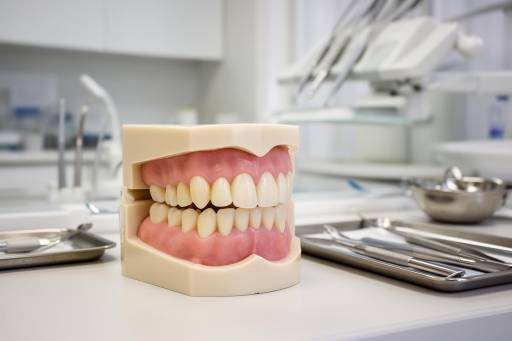
Partial dentures fill the gaps left by some missing teeth while preserving your remaining natural teeth. They usually consist of replacement teeth attached to a gum-colored plastic base with metal or plastic clasps that hold them in place. This design helps maintain your bite and prevent other teeth from shifting.
Full dentures, also called complete dentures, replace all the teeth in either the upper or lower jaw. These are custom-fitted to rest directly on your gums and the underlying bone. Full dentures restore your ability to chew and speak effectively and support your facial muscles for a natural appearance.
Both types of removable dentures are made after detailed impressions and measurements of your mouth. This ensures they fit securely and function well. They provide a practical and widely used option for tooth replacement, especially when dental implants or bridges are not suitable or desired.
Benefits of Choosing Removable Dentures for Tooth Replacement
Removable dentures offer several advantages that make them a popular choice for many people needing tooth replacement. One key benefit is affordability. Compared to fixed bridges or dental implants, dentures generally cost less, making them accessible to a broader range of patients.
They are also non-invasive and do not require surgery, which reduces treatment time and potential complications. Since they are removable, maintaining oral hygiene can be simpler because you can take them out to clean both the dentures and your natural gums thoroughly.
Functionally, dentures improve your ability to chew a variety of foods, enhancing nutrition and digestion. They also help you speak more clearly by filling gaps that can cause speech issues. Beyond practical benefits, dentures restore facial structure and smile aesthetics, boosting self-confidence and social comfort.
With proper care, dentures can last several years and provide a reliable replacement solution that supports your oral health and quality of life.
Denture Care and Maintenance: Tips for Longevity and Oral Health
Caring for your removable dentures properly is essential to maintain their appearance, function, and your overall oral health. Daily cleaning is a must. Use a soft-bristled denture brush and a denture cleaner to gently remove food particles and plaque. Avoid regular toothpaste as it can be abrasive and damage the denture material.
Rinse your dentures thoroughly after every meal to prevent staining and buildup. When not wearing them, keep dentures moist by soaking them in a denture cleaning solution or plain water to prevent warping or drying out.
Handle dentures carefully to avoid dropping and damaging them. Regular dental checkups are important so your dentist can examine your oral tissues, check the fit of your dentures, and make necessary adjustments or repairs.
Maintaining a good oral hygiene routine for your gums and any remaining natural teeth also helps prevent infections and irritation. Following these care guidelines can significantly extend the life of your dentures and preserve your oral health.
Comparing Removable Dentures with Other Tooth Replacement Options
Removable dentures are one of several options available for replacing missing teeth. Dental implants and fixed bridges are common alternatives that differ in procedure, cost, and function.
Dental implants involve surgically placing titanium posts into the jawbone to serve as artificial tooth roots. They provide excellent stability and feel more like natural teeth. Implants can support crowns, bridges, or implant-retained dentures but typically require more time for healing and higher upfront costs.
Fixed bridges rely on adjacent healthy teeth as anchors for prosthetic teeth. They are permanently cemented and do not require removal for cleaning. Bridges offer a stable chewing surface but require altering the supporting teeth, which may not be ideal for everyone.
Removable dentures are less invasive and more affordable than implants or bridges, but they may feel less stable and require adaptation. Your choice depends on factors like oral health, bone density, budget, and personal preference, which you can discuss with your dentist.
Is Removable Dentures the Right Choice for You?
Deciding if removable dentures are suitable for your tooth replacement needs involves considering several personal factors. Your lifestyle, oral health status, budget, and aesthetic goals all play important roles.
If you have multiple missing teeth and want a cost-effective, non-surgical solution, removable dentures might be ideal. They offer flexibility since you can remove and clean them easily, which suits many people's daily routines.
However, if you prefer a more permanent and stable option and have sufficient bone structure, dental implants might be better despite higher costs and longer treatment times. Fixed bridges can also be a choice if you have healthy adjacent teeth that can serve as supports.
Ultimately, consulting with a qualified dental professional will help you evaluate these factors. They can guide you through available options, assess your oral condition, and tailor recommendations that best meet your needs and preferences.
Frequently Asked Questions
Q: How long do removable dentures typically last?
Restore Your Smile With Dentures or Full-Mouth Prosthetics
Answer a few short questions and HealthNode will help you connect with the right prosthodontic or restorative dental specialist.
Comfort, Function, and Appearance
This helps us understand whether you may need new dentures, denture adjustment, implant-supported dentures, or full-mouth prosthetics.
Dental History and Treatment Planning
A few details help the specialist understand whether you may need extractions, denture relining, implants, or full-mouth reconstruction.
Health and Prosthetic Factors
These details help the specialist understand any factors that may affect healing, denture fit, or implant-supported options.
Contact information
Your information is only used to contact you and is never shared with third parties.
Your request has been received!
Thank you. If you have dental X-rays, panoramic X-ray, CBCT scan, previous denture records, implant records, extraction notes, gum treatment records, or photos of your current dentures, please keep them ready. A HealthNode consultant will guide you through the next step.
A: Removable dentures usually last between 5 to 8 years with proper care, but their lifespan can vary based on usage and oral health.
Q: Are removable dentures comfortable to wear?
A: Initially, dentures may feel uncomfortable, but with time and proper fitting, they can become quite comfortable. Regular adjustments by your dentist can improve comfort.
Q: How do I clean and maintain my removable dentures?
A: Clean your dentures daily with a soft brush and denture cleaner, avoid hot water, and schedule regular dental checkups for adjustments and oral health assessments.
Q: Can I eat normally with removable dentures?
A: Most people can eat normally after an adjustment period, but it’s recommended to start with soft foods and avoid very hard or sticky items.
Q: Are removable dentures covered by insurance?
A: Coverage varies by insurance plan and region; it’s best to consult with your provider to understand your benefits for denture procedures.
Q: What should I do if my dentures feel loose or uncomfortable?
A: Contact your dentist for an evaluation. Adjustments or relining may be necessary to improve fit and comfort.
The information provided is for educational purposes only and does not constitute medical advice. Always consult with a healthcare professional for medical guidance specific to your situation.